Goldman Sachs Takes Charge of $70 Billion in U.S. Retirement Funds
Goldman Sachs has solidified its position in the asset management industry by managing $70 billion in retirement assets for Verizon and Lockheed Martin. This trend signifies a shift in how corporations handle their pension and 401(k) plans, raising critical questions about the future of retirement management in America.
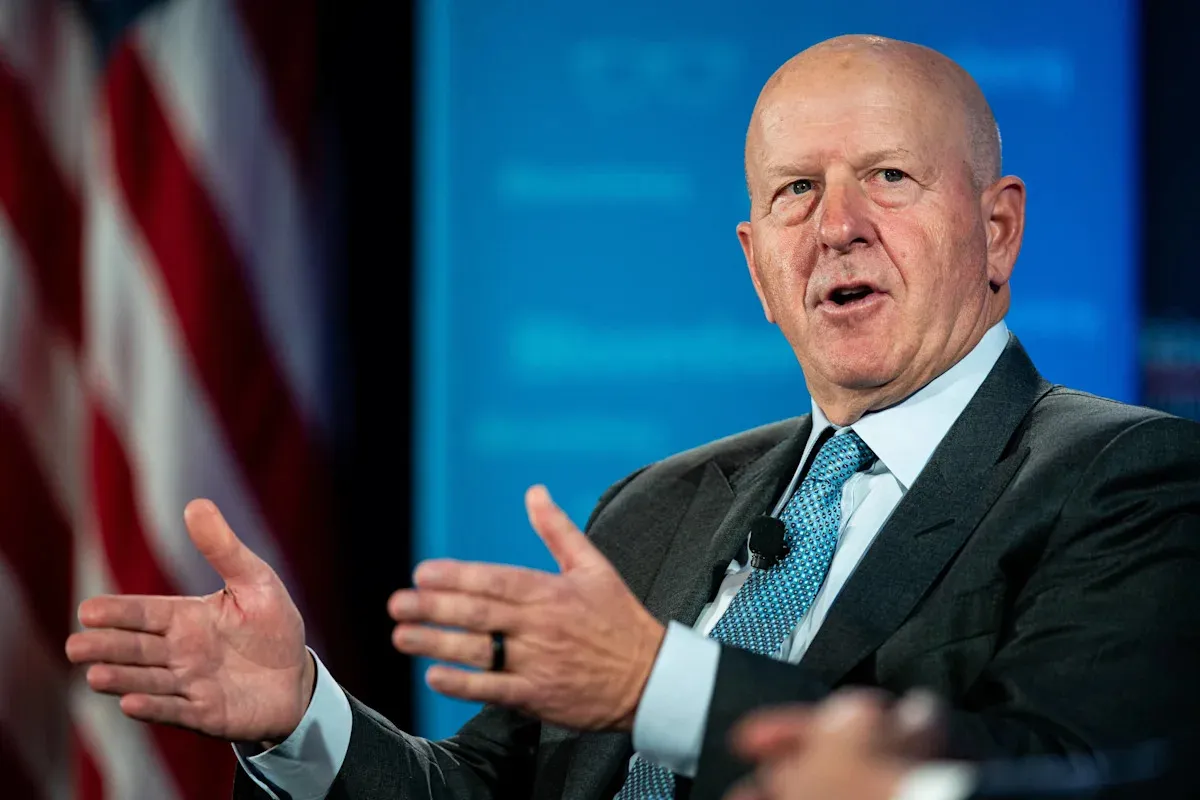
In a significant shift that may reshape the landscape of retirement management in the United States, Goldman Sachs has recently announced its acquisition of a staggering $70 billion in retirement assets from two of America’s most recognizable corporations: Verizon Communications and Lockheed Martin. This development marks not just a routine transaction but a pivotal moment in which major companies are increasingly outsourcing the management of their pension funds and 401(k) plans to elite financial firms. As more corporations turn to Wall Street for asset management, questions arise about the implications for American workers' retirement savings and the future of corporate financial strategy.
The move comes as both Verizon and Lockheed Martin look to streamline their retirement management processes amid growing complexities in the financial landscape. With the rapid evolution of investment strategies, particularly the increasing prominence of alternative assets, many companies are finding that they can no longer handle retirement fund management in-house. This trend is only expected to gain momentum as the demand for sophisticated investment options continues to rise.
The Outsourcing Trend in Retirement Management
Goldman Sachs' recent acquisition of Verizon and Lockheed Martin's retirement assets is emblematic of a broader trend in corporate America: the movement towards outsourced investment management. As companies grapple with the challenges of managing increasingly complex pension portfolios, they are increasingly turning to specialized firms for assistance. This trend is driven by several structural factors:
1. Complexity of Investment Strategies
Corporate pension plans have become increasingly intricate, particularly with the growing role of alternative investments such as private equity and real estate. According to a report from Praxis Rock, alternative assets now comprise 30% to 50% of many institutional portfolios, up from just 5% a few years ago. Managing these investments requires specialized expertise that many corporate benefits teams may lack due to limited staff and resources.
2. Evolving Employee Demands
Today's workforce is more financially literate and has higher expectations concerning retirement options. Employees are looking for personalized managed accounts, lifetime income solutions, and digital investment strategies. In its 2025 Retirement Survey, Goldman Sachs identified a "financial vortex" in which employees face competing financial priorities—like housing and debt—while also demanding better retirement options.
3. Improved Operational Efficiency
The traditional model of pension consulting, where external advisors provide recommendations that internal committees must then deliberate on, can significantly slow down critical portfolio adjustments. Goldman Sachs, through its outsourced chief investment officer (OCIO) model, takes discretionary control over investment management, allowing for quicker decisions and streamlined operations. This efficiency can be crucial as companies attempt to keep pace with market changes.

Verizon and Lockheed Martin: A Closer Look
Both Verizon and Lockheed Martin have a history of engaging in pension risk transfer strategies, which aim to reduce the burden of managing retirement liabilities. For instance, Verizon executed a notable pension risk transfer in 2024, shifting $5.9 billion in plan liabilities to RGA Reinsurance and Prudential. This initiative was part of a larger strategy to offload retirement management burdens while protecting the funded status of their plans.
Similarly, Lockheed Martin has been proactive in pension de-risking, having completed multiple transfers of pension liabilities to insurance companies in recent years. These strategic moves have allowed Lockheed to focus its resources on core operations while minimizing the complexities associated with managing retirement assets.
The Financial Implications for Goldman Sachs
For Goldman Sachs, securing a $70 billion mandate is a noteworthy achievement that strengthens its position in the asset management sector. The firm’s Asset and Wealth Management division generated a remarkable $16.68 billion in net revenues in 2025, bolstered by a robust growth rate of 12% compounded annually since 2021. The appeal of OCIO mandates lies in their ability to provide steady, recurring fee income, a stark contrast to the volatility often associated with trading and investment banking revenues.
Goldman's ability to attract long-term institutional mandates reflects its strategy to create a more stable revenue base. In the first quarter of 2026 alone, the firm reported $62 billion in long-term fee-based net inflows, marking its 33rd consecutive quarter of positive inflows. This trend demonstrates that institutional investors are increasingly entrusting their assets to established firms like Goldman Sachs, indicating a potential shift in how retirement funds will be managed in the future.

What This Means for American Workers
The shift towards outsourcing retirement fund management could have significant implications for American workers. As major corporations hand over their pension and 401(k) plans to firms like Goldman Sachs, questions about the security and growth of retirement savings come to the forefront. While outsourcing may lead to improved efficiency and potentially better investment outcomes, it also raises concerns about transparency and accountability in the management of retirement assets.
Workers may find themselves relying on large financial institutions to navigate their retirement savings, which could lead to a disconnect between employees and their retirement plans. The push for more sophisticated investment options could also mean that employees need to be more proactive in understanding their retirement benefits and making informed decisions about their financial futures.
Key Takeaways
- Goldman Sachs has secured a $70 billion mandate to manage retirement assets for Verizon and Lockheed Martin, marking a pivotal shift in corporate retirement fund management.
- The trend towards outsourcing investment management is driven by increasing complexity in pension portfolios and evolving employee demands for sophisticated retirement options.
- This shift could lead to improved efficiency and potentially better investment outcomes, but may also raise concerns about transparency and accountability.
- American workers must stay informed and proactive about their retirement benefits in light of these changes.
Frequently Asked Questions
What does it mean to outsource retirement fund management?
Outsourcing retirement fund management involves companies hiring external financial firms to manage their pension plans and 401(k)s. This shift allows companies to leverage specialized expertise and resources to navigate complex investment strategies, ultimately aiming for better returns and reduced operational burdens.
How will this impact my retirement savings?
The impact on individual retirement savings can vary. While outsourcing may lead to improved management and potentially higher returns, it can also create a disconnect between employees and their retirement assets. It's essential for workers to actively engage with their retirement plans and understand the implications of these changes.
Are there risks associated with outsourcing retirement management?
Yes, there are risks involved. While outsourcing can improve efficiency, it may also lead to concerns about accountability and transparency. Employees need to be aware of who is managing their retirement funds and how those funds are being invested, ensuring that their best interests are prioritized.
What steps should I take to prepare for these changes?
To prepare for the changes in retirement fund management, workers should educate themselves about their retirement plans, review their investment options, and consider consulting with a financial advisor. Staying informed and proactive is crucial to navigating the evolving landscape of retirement savings.
This content is for educational purposes only and should not be considered financial advice.
Comments
7 Signs You're Financially Ready to Retire (Even If You Don't Feel Prepared)
Retirement readiness often hinges on hard numbers rather than feelings. Discover the seven key indicators that can help you assess your financial preparedness for this major life transition.

Related articles
Popular in Retirement
- Understanding Trump Accounts: A New Investment Opportunity for Kids
- The Impending Crisis: Social Security Reform and Its Economic Ripple Effects
- Navigating Long-Term Care Insurance: Flexible Alternatives for a Secure Future
- Balancing AI and Employee Loyalty: A Guide for Small Business Owners
- Navigating Retirement: Overcoming Doubts and Embracing Change