The Impending Crisis: Social Security Reform and Its Economic Ripple Effects
As the Social Security trust fund faces depletion, delaying reform poses significant risks to the bond market and the broader economy. This article explores the implications of inaction and outlines potential strategies for a sustainable future.
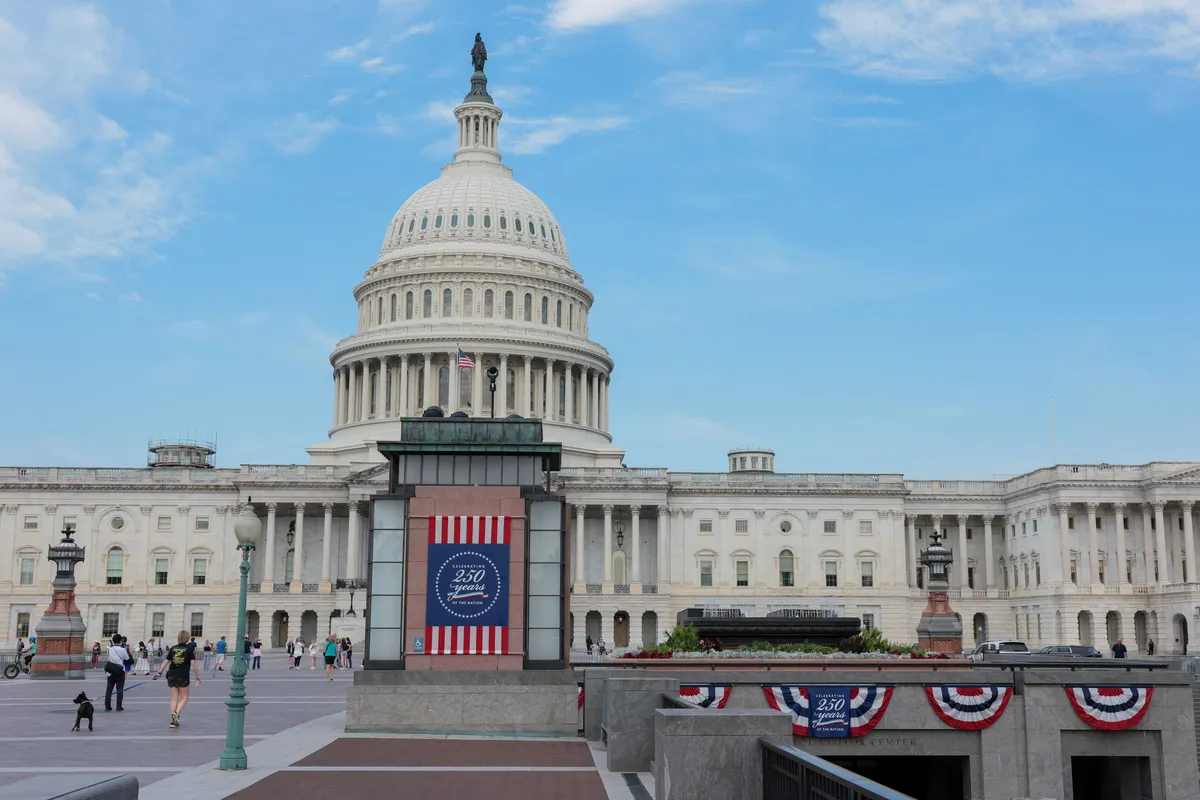
As America stands on the precipice of a financial crossroads, the urgency of Social Security reform cannot be overstated. Recent research from George Mason University's Mercatus Center highlights the imminent risks posed to both the bond market and the broader economy should lawmakers continue to delay necessary reforms. With projections indicating that the Old-Age and Survivors Insurance (OASI) trust fund could be depleted by the end of 2032—three months earlier than previously estimated—concerns are mounting about the potential fallout for millions of Americans who rely on this crucial safety net.
At the heart of this discussion is the stark reality that if reform is not enacted soon, the ramifications could extend far beyond just the Social Security program itself. The broader implications for fiscal policy, interest rates, and even private sector investment could lead to an economic landscape that feels strained and precarious. As the clock ticks down towards potential depletion, the need for legislative action becomes increasingly urgent.

The Current State of Social Security
Social Security serves as a vital source of income for millions of retirees, survivors, and disabled individuals across the United States. Funded primarily through payroll taxes, Social Security is designed to be a self-financed program that provides benefits based on individuals' earnings over their working lives. However, the latest report from the Social Security trustees paints a concerning picture: by the fourth quarter of 2032, only 78% of promised benefits may be payable.
Understanding the Trust Fund
The OASI trust fund, which holds past surpluses and their accumulated interest, has been a cornerstone of Social Security financing. Currently, these trust funds are invested in government securities backed by the full faith and credit of the U.S. government. However, if the fund's reserves are exhausted, Social Security would have to rely on general revenue, leading to increased borrowing and potentially destabilizing the bond market.
The Broader Economic Implications
The consequences of failing to reform Social Security are far-reaching. According to the research by Veronique de Rugy and Jason Fichtner, an imminent depletion of the OASI trust fund could trigger a fiscal crisis that resonates throughout the economy. The Committee for a Responsible Federal Budget (CRFB) echoes this sentiment, emphasizing that the depletion of the trust fund represents a pivotal moment for U.S. fiscal policy.

The Risks of Delayed Reform
Delaying reform not only jeopardizes Social Security beneficiaries but also poses two significant risks to the economy:
- Increased Borrowing Costs: As deficits rise and the Treasury supply increases, borrowing costs across the economy may escalate. This could lead to higher interest rates that outpace economic growth, creating a challenging environment for both consumers and businesses.
- Loss of Investor Confidence: A lack of confidence in future government revenues to cover outstanding debts could result in market volatility. If investors believe that the government will struggle to meet its obligations, domestic price levels may surge, further exacerbating inflationary pressures.
As interest rates rise, consumers looking to finance homes, cars, or other purchases may find themselves paying significantly more, compounding the affordability crisis already facing many Americans.
Potential Solutions and Strategies
While the situation appears dire, there are viable paths forward that could mitigate the risks associated with Social Security's impending depletion. The CRFB has proposed a comprehensive plan that could enhance the program's sustainability and promote economic growth. This plan includes:
- Raising Retirement Ages: Gradually increasing the retirement age while providing protections for vulnerable workers could help balance the program's finances.
- Automatic Enrollment in Supplemental Accounts: Automatically enrolling workers in supplemental retirement accounts could bolster personal savings rates and reduce dependence on Social Security.
- Counting All Years of Work: Adjusting the benefit calculation to consider all years of work rather than just the highest earnings periods could provide fairer benefits for workers with varied earnings histories.
Implementing these strategies could not only shore up Social Security but also stimulate economic growth. According to the CRFB's estimates, such reforms could grow the economy by 3.5% to 13% by 2050, significantly increasing average per-person income and potentially reducing projected debt levels.

The Role of Policymakers and the Future
The responsibility for enacting these reforms lies squarely with Congress. As the clock runs down toward the projected depletion of the OASI trust fund, lawmakers must prioritize fiscal responsibility and take decisive action to prevent an economic crisis. The potential benefits of reform extend beyond merely preserving Social Security; they could also lead to a more robust economy capable of supporting future generations.
Ultimately, the choices made today regarding Social Security will shape the financial landscape for years to come. As we approach the 2032 deadline, the stakes are high, and the need for a thoughtful, bipartisan approach to reform is clearer than ever.
Key Takeaways
- Social Security's OASI trust fund may run out by late 2032, potentially reducing benefits to 78% of promised amounts.
- Delaying reform poses significant risks to the bond market, including increased borrowing costs and loss of investor confidence.
- Proposed reforms could enhance the sustainability of Social Security while promoting economic growth.
- Legislative action is critical to prevent a fiscal crisis and ensure the future of Social Security.
- Smart reforms could lead to a more prosperous economy and improve the financial outlook for average Americans.
Frequently Asked Questions
What happens if the Social Security trust fund is depleted?
If the Social Security trust fund is depleted, the program will only be able to pay out a fraction of promised benefits, potentially leading to a reduction in payments for millions of beneficiaries. The trustees project that only 78% of benefits may be payable, which could significantly impact retirees' financial security.
How can reforming Social Security benefit the economy?
Reforming Social Security can benefit the economy by stabilizing the program's finances, which in turn can reduce uncertainty in the bond market. This stability can lead to lower borrowing costs for consumers and businesses, fostering a more conducive environment for investment and economic growth.
What specific reforms are being proposed for Social Security?
Proposed reforms for Social Security include raising the retirement age, automatically enrolling workers in supplemental retirement accounts, and adjusting the benefit calculation to include all years of work. These changes aim to improve the program's sustainability while ensuring that vulnerable populations are protected.
When should we expect to see legislative action on Social Security?
Legislative action on Social Security is urgent, with the depletion date for the trust fund approaching quickly. Policymakers must act proactively to implement reforms before the situation becomes critical, as delaying action could lead to a fiscal crisis that affects the entire economy.
Disclaimer: The content is educational, not financial advice.
Comments
Smart Estate Planning: 3 Tax-Efficient Strategies for Wealthy Individuals
High-net-worth individuals face unique challenges in estate planning, especially regarding taxes. Discover three effective strategies to protect your legacy and ensure your wealth benefits your loved ones.

Related articles


Popular in Retirement
- Understanding Trump Accounts: A New Investment Opportunity for Kids
- Navigating Long-Term Care Insurance: Flexible Alternatives for a Secure Future
- Balancing AI and Employee Loyalty: A Guide for Small Business Owners
- Navigating Retirement: Overcoming Doubts and Embracing Change
- Goldman Sachs Takes Charge of $70 Billion in U.S. Retirement Funds