Understanding Trump Accounts: A New Investment Opportunity for Kids
The launch of Trump Accounts offers a fresh avenue for parents to secure their children's financial futures through tax-advantaged investment accounts. This comprehensive guide explores how these accounts work, eligibility criteria, and strategies for maximizing potential growth.
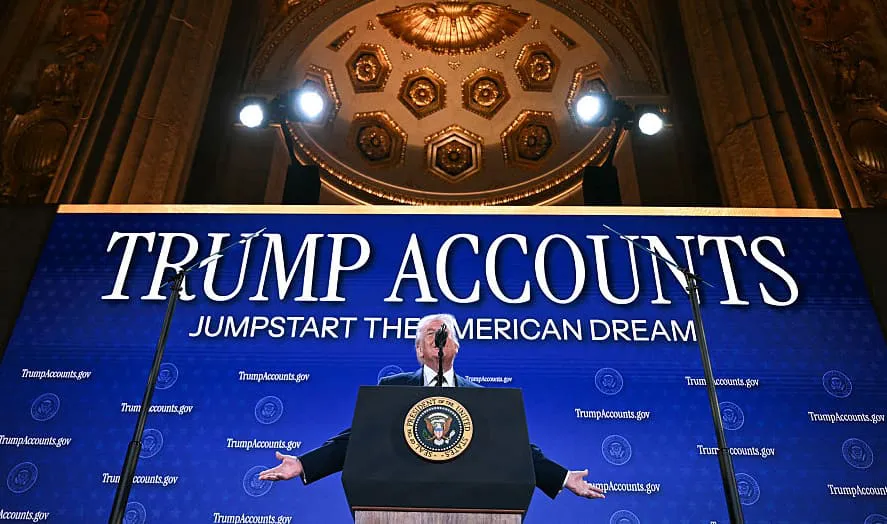
On July 4, a new financial initiative took center stage: the launch of Trump Accounts, a tax-advantaged investment vehicle designed specifically for children. With the aim of fostering long-term savings for retirement rather than short-term education expenses, these accounts represent a significant shift in how families can approach their children’s financial futures. This guide delves into the intricacies of Trump Accounts, including their mechanics, eligibility requirements, available funds, and strategies for maximizing their growth potential.
What Are Trump Accounts?
Trump Accounts, formally known as 530A accounts, are a type of individual retirement account (IRA) tailored for children. They were established through legislation referred to as President Donald Trump’s “big beautiful bill.” Unlike traditional education savings accounts, Trump Accounts focus solely on retirement savings, setting them apart in the landscape of financial products available to families.
Key Features of Trump Accounts
- Initial Contributions: Babies born from 2025 through 2028 will receive a one-time initial contribution of $1,000 from the U.S. Treasury Department once their account is opened.
- Contribution Limits: Parents, guardians, or authorized family members can contribute up to $5,000 annually, while employers can add up to $2,500 per child each year.
- Investment Growth: Funds in the account grow tax-deferred, meaning you won’t owe taxes on the gains until withdrawal.
- Eligibility: Any child aged 18 or younger can have a Trump Account, provided they are U.S. citizens with a work-authorized Social Security number.

How Do Contributions Work?
Families can begin contributing to a Trump Account now. The process involves filling out IRS Form 4547 when filing your tax return or visiting TrumpAccounts.gov to create an account. Once established, families are encouraged to download the Trump Accounts app to manage contributions and track account activity effectively.
Initial Seed Money and Additional Contributions
Children born between 2025 and 2028 will automatically qualify for the $1,000 Treasury seed deposit. For children born between 2016 and 2024, there’s a $250 contribution available if they live in a ZIP code with a median income of $150,000 or less, thanks to a $6.25 billion initiative by tech CEO Michael Dell and his wife, Susan. This initiative aims to bridge the wealth gap by ensuring that children from lower-income households have access to investment funds.
Potential Growth of Trump Accounts
Projected growth for Trump Accounts is substantial, assuming consistent contributions and favorable market conditions. According to projections from TrumpAccounts.gov:
- With just the initial $1,000 contribution, the account could grow to approximately $6,000 by age 18.
- If $5,000 is contributed annually, the account could reach nearly $271,000 by age 18, and $13 million by age 55.

Market Expectations and Investment Strategies
While optimistic growth estimates are based on historical averages of the S&P 500, market analysts caution that future returns may be lower than the historical average. Morningstar’s simulations suggest an average return of about 6.3% annually over the next decade. With such variability, it’s crucial for parents to understand the risks involved and tailor their contribution strategies accordingly.
Restrictions and Withdrawal Rules
One significant aspect of Trump Accounts is the restrictions on withdrawals. Generally, funds cannot be accessed until the child turns 18, at which point standard IRA rules apply. This means that any withdrawals before age 59½ may incur income tax and a 10% penalty, although exceptions exist for specific circumstances, such as higher education expenses or first-time home purchases.
Alternatives to Trump Accounts
While Trump Accounts present a unique opportunity, they are not the only option for long-term savings. Families should also consider other investment vehicles such as:
- 529 College Savings Plans: Designed specifically for education expenses.
- Custodial Accounts: Under the Uniform Gifts to Minors Act (UGMA) or Uniform Transfers to Minors Act (UTMA), which allows minors to own assets directly.
- Roth IRAs: For children who earn income, offering tax-free growth.

Maximizing the Benefits of Trump Accounts
To truly leverage the potential of Trump Accounts, families should consider several strategies:
- **Maximize Contributions:** Aim to contribute the full $5,000 annually, particularly if your child is eligible for employer matching contributions.
- **Consider Roth IRA Conversion:** After the child turns 18, funds from a Trump Account can potentially be rolled into a Roth IRA, allowing for tax-free growth.
- **Stay Informed:** Regularly check account performance and adjust contributions based on market conditions and family financial situations.
Key Takeaways
- Trump Accounts are designed for long-term retirement savings for children, with a $1,000 initial contribution from the Treasury for eligible newborns.
- Annual contributions can reach up to $5,000, with match options from employers and additional philanthropic gifts.
- Projected growth can be significant, but market conditions may affect returns; parents should be prepared for variability.
- Withdrawals before age 18 are generally restricted, with standard IRA penalties applying thereafter.
- Consider alternative savings vehicles and strategies to ensure the best financial outcomes for your children.
Frequently Asked Questions
What are the eligibility requirements for opening a Trump Account?
To open a Trump Account, the child must be 18 years old or younger, a U.S. citizen, and possess a work-authorized Social Security number. Authorized individuals, such as parents, guardians, adult siblings, or grandparents, can open the account on behalf of the child.
How can families maximize their contributions to a Trump Account?
Families should aim to contribute the maximum allowable amount of $5,000 annually. They can also explore employer contributions, which can add up to $2,500 per year without being counted as taxable income. Monitoring the financial performance of the account and adjusting contributions according to family income and market conditions will help ensure maximum growth.
Can Trump Accounts be used for education expenses?
Trump Accounts are specifically designed for retirement savings, not education expenses. While funds cannot typically be withdrawn before age 18, there are a few exceptions, such as for higher education expenses, but these withdrawals are subject to penalties and taxes.
What should I do if I suspect fraudulent communication regarding my Trump Account?
All official communications from the Treasury Department regarding Trump Accounts will come from a verified email address. If you receive unsolicited calls or texts about your account, do not respond, as they may be scams. Always access your account through the Trump Accounts app or by directly typing TrumpAccounts.gov into your web browser for security.
Disclaimer: This content is educational and should not be construed as financial advice.
Comments
Smart Estate Planning: 3 Tax-Efficient Strategies for Wealthy Individuals
High-net-worth individuals face unique challenges in estate planning, especially regarding taxes. Discover three effective strategies to protect your legacy and ensure your wealth benefits your loved ones.

Related articles


Popular in Retirement
- The Impending Crisis: Social Security Reform and Its Economic Ripple Effects
- Navigating Long-Term Care Insurance: Flexible Alternatives for a Secure Future
- Balancing AI and Employee Loyalty: A Guide for Small Business Owners
- Navigating Retirement: Overcoming Doubts and Embracing Change
- Goldman Sachs Takes Charge of $70 Billion in U.S. Retirement Funds