The Impending Social Security Crisis: What It Means for Every State
As the Social Security trust fund approaches insolvency in 2032, millions of retirees face looming benefit cuts. Explore the economic implications and how states will be affected.
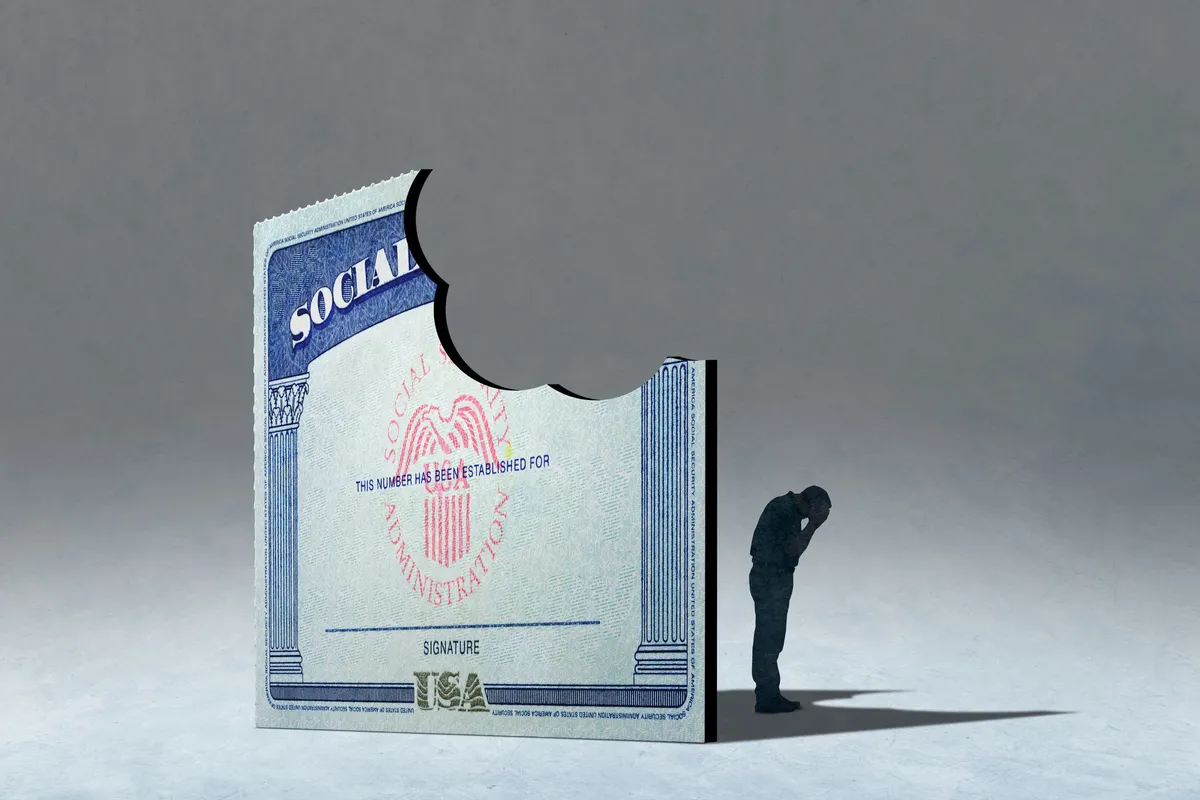
As the clock ticks toward 2032, a looming threat hangs over millions of American retirees: significant cuts to Social Security benefits. A recent report by the Committee for a Responsible Federal Budget (CRFB) outlines the dire consequences that will unfold if legislative action is not taken to shore up the Social Security trust fund. With an estimated 63 million beneficiaries at stake, the financial landscape for retirees and the economy at large could dramatically shift, leading to a future where many struggle to make ends meet.
The potential cuts, projected to reach 22% by 2032, will not only impact individual households but will also reverberate through state economies. With more than 40 states expected to experience at least a 1% reduction in their Gross Domestic Product (GDP), the repercussions could be a double-edged sword: families will face reduced income while local businesses suffer from decreased consumer spending. This article delves into the implications of these cuts, the states that will be most affected, and what steps lawmakers can take to avert this crisis.

The Social Security Trust Fund: A Looming Crisis
The Social Security trust fund, which plays a crucial role in providing financial support to retirees, is on a path toward insolvency. According to the 2026 OASDI Trustees Report, the fund is expected to deplete its reserves by the fourth quarter of 2032, leading to automatic benefit reductions. This is a significant shift from Social Security's original purpose, which aimed to replace about 40% of pre-retirement income.
Currently, the reality for many Americans is stark: over 54% of households report having no dedicated retirement savings, making Social Security their primary source of income. For these individuals, any reduction in benefits could have catastrophic effects on their ability to afford basic necessities.
Projected Impact of Benefit Cuts
The CRFB's report highlights that the average monthly cut across the U.S. would be around $500, a figure that could mean the difference between financial security and hardship for many retirees. For instance:
- Connecticut: $556
- New Jersey: $554
- New Hampshire: $553
- Mississippi: $459 (the lowest)
These figures illustrate not only the financial burden that will be placed on retirees but also the varying degrees of impact depending on the state. In higher-wage states, retirees will face larger nominal cuts, while in lower-wage states, the percentage of income lost may be disproportionately significant.

Who Will Be Affected the Most?
The demographics of each state play a critical role in determining who will feel the impact of these cuts. States with older populations, such as Maine and West Virginia, have a higher percentage of residents relying on Social Security. In these areas, more than 20% of residents could see their benefits shrink, directly affecting local communities.
For example, Maine leads the nation with 22.9% of its population potentially affected, translating to approximately 321,528 individuals. Conversely, the District of Columbia, with its younger demographic, has the lowest percentage at 10.5%. However, because of its large population, Texas will see over 4 million people affected, highlighting how sheer numbers can amplify the impact of these cuts.
The Economic Ripple Effect
When retirees see cuts to their Social Security benefits, the effects extend beyond individual households. As many retirees rely on these benefits for essential expenses like groceries, healthcare, and housing, the economic fallout can be profound. States with a high concentration of retirees and a lower overall income level will experience a more severe economic downturn.
For instance, West Virginia and Mississippi are projected to lose 1.9% and 1.8% of their GDP, respectively, due to the anticipated cuts. This contrasts sharply with wealthier states like Connecticut, which is expected to see only a 1.1% decline in GDP. The key difference lies in how retirees in lower-income states spend their Social Security benefits: these funds are typically injected directly into the local economy, fueling small businesses and local services.

Addressing the Social Security Shortfall
The urgent need for congressional action cannot be overstated. The potential insolvency of the Social Security trust fund poses a direct threat not only to individual financial stability but also to the economic health of entire states. Lawmakers must act swiftly to implement reforms that will shore up the trust fund and prevent automatic cuts to benefits.
Several options exist for addressing the shortfall, including:
- Increasing the payroll tax rate
- Raising the income cap on Social Security taxes
- Adjusting the cost-of-living adjustments (COLA)
- Implementing gradual benefit cuts or age adjustments
While no solution is without its challenges, it is crucial that policymakers prioritize the long-term viability of Social Security to protect millions of Americans who depend on it as their primary source of income.
Key Takeaways
- The Social Security trust fund is projected to face insolvency by 2032, leading to automatic benefit cuts of approximately 22%.
- 63 million Americans could be affected, with states like Connecticut and New Jersey facing the largest average monthly cuts.
- Lower-income states with older populations will experience a more significant impact on their GDP due to reliance on Social Security benefits.
- Congressional action is urgently needed to prevent this crisis and ensure the financial security of retirees.
- Potential solutions include increasing payroll taxes, raising income caps, and adjusting benefit calculations.
Frequently Asked Questions
What will happen if the Social Security trust fund becomes insolvent?
If the trust fund becomes insolvent, Social Security benefits will be automatically reduced by approximately 22%. This means that millions of retirees will receive significantly lower checks, forcing many to make difficult financial decisions regarding their essential expenses.
How do these cuts affect state economies?
The cuts will have a ripple effect on state economies, particularly in areas with a higher percentage of retirees who rely on Social Security as their primary income source. Local businesses that rely on consumer spending from retirees will suffer, leading to further economic challenges within those states.
Are there any proposed solutions to fix the Social Security shortfall?
Yes, various proposals have been put forth to address the Social Security shortfall, including increasing the payroll tax rate, raising the income cap for Social Security taxes, and adjusting the formula used to calculate benefits. These discussions are currently ongoing in Congress, and urgent action is required to ensure the program's sustainability.
What can individuals do to prepare for potential cuts to Social Security?
Individuals should start planning for potential cuts by evaluating their overall financial situation. This may include increasing personal savings, exploring additional retirement accounts, or finding ways to reduce expenses. Consulting with a financial advisor can also provide personalized strategies for mitigating the impact of potential benefit reductions.
Disclaimer: The content is educational, not financial advice.
Comments
The Impact of AI on Financial Advising: What You Need to Know
As AI technology transforms the financial advice landscape, clients must evaluate how it affects their relationship with financial advisers. This article explores the implications of AI in financial advising and what clients should consider.

Related articles



Popular in Retirement
- Understanding Trump Accounts: A New Investment Opportunity for Kids
- The Impending Crisis: Social Security Reform and Its Economic Ripple Effects
- Navigating Long-Term Care Insurance: Flexible Alternatives for a Secure Future
- Balancing AI and Employee Loyalty: A Guide for Small Business Owners
- Navigating Retirement: Overcoming Doubts and Embracing Change