When to Ditch Stocks in Retirement: 3 Key Scenarios
While stocks are often touted as essential for retirement portfolios, there are specific scenarios where avoiding them can be beneficial. This article explores when a stock-free strategy may be the safest bet for retirees.
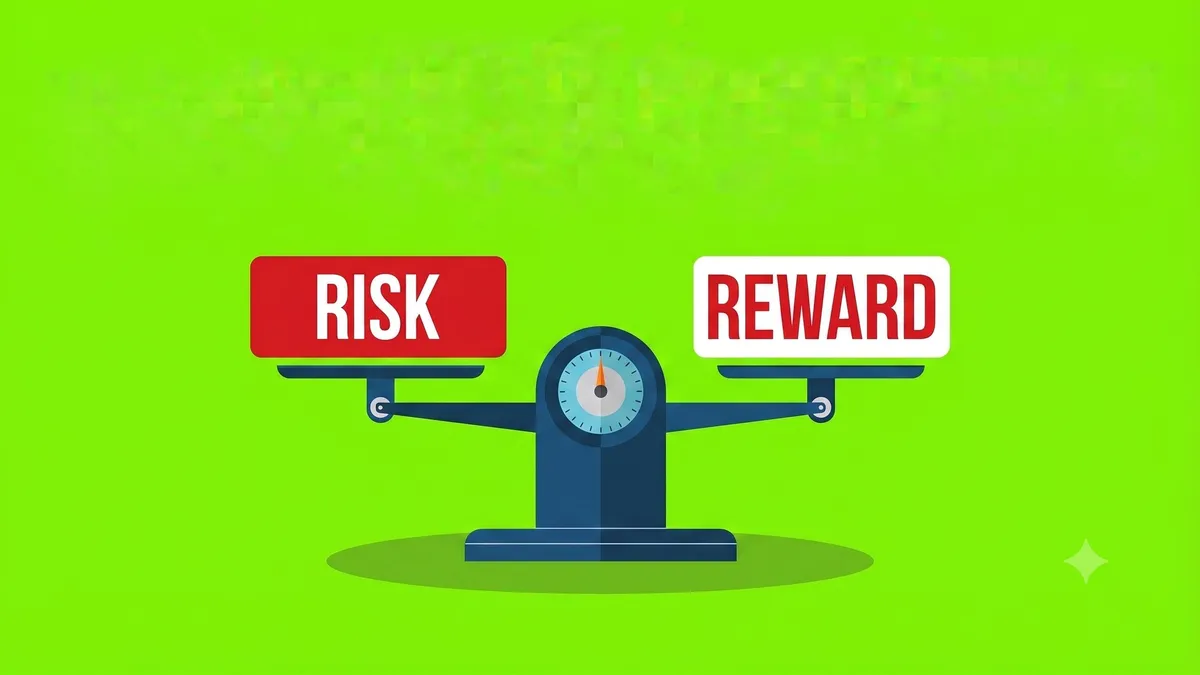
As you approach retirement, financial wisdom often dictates that you should hold a diversified portfolio with a significant allocation to stocks. The rationale is clear: stocks historically provide growth that outpaces inflation, helping you maintain your purchasing power over time. However, recent analyses suggest that there are specific circumstances under which a stock-free portfolio may not only be acceptable but may actually be the most prudent choice. In this article, we will explore three key scenarios in which retirees might consider ditching stocks altogether.
Understanding the Role of Stocks in Retirement
The traditional guidance for retirement investing emphasizes the importance of stocks. This stems from the general belief that, due to their higher potential returns, stocks are essential for long-term growth. The widely referenced 4% rule suggests that retirees can withdraw 4% of their portfolio annually for approximately 30 years without running out of money, assuming a balanced mix of stocks and bonds. However, this cookie-cutter approach may not suit everyone.
According to a report from Fidelity, a surprising 38% of retirement savers aged 65 to 69 hold more stocks than recommended, while 50% of those aged 70 and over also exceed conventional stock allocation guidelines. Conversely, a study by T. Rowe Price found that about 10% of retirees prefer to avoid stocks entirely. The question then arises: when is it sensible to steer clear of stocks in retirement?

Scenario 1: Sufficient Guaranteed Income
One of the most compelling reasons to consider a stock-free portfolio is if you have enough guaranteed income to cover your essential living expenses. This could come from fixed sources like Social Security, pensions, or annuities. Joel V. Russo, a financial expert, emphasizes that for individuals whose income needs are met through these stable sources, the risk associated with stock investments might outweigh the potential benefits.
The Peace of Mind Factor
For many retirees, the prospect of market volatility can be daunting. If you have a consistent income stream, you might find it more appealing to allocate your assets in a manner that minimizes risk. A conservative approach can lead to better real-world outcomes, especially if market fluctuations tend to induce panic and poor decision-making.
- Consider your fixed income: Does it cover all essential expenses?
- Explore alternatives: If more income is needed, annuities could fill the gap.
- Assess your risk tolerance: If market volatility causes anxiety, a conservative approach may be prudent.
Scenario 2: A Large Pool of Assets
Having a substantial retirement nest egg can also justify a stock-free portfolio. For instance, if a couple in their 70s has $8 million in savings and annual expenses of $200,000, they might not need to take on the risks associated with stock market investments.
Generating Income Without Stocks
Diana Richey, a financial planner, explains that with abundant assets, individuals can rely on a diversified mix of high-quality bonds and cash to generate income. A 4% yield on an $8 million portfolio would produce about $320,000 annually before taxes, more than sufficient to cover living expenses.
Moreover, avoiding stock market risks can reduce stress and preserve wealth for heirs. If your primary goal is security over maximum returns, steering clear of stocks could be a wise decision.

Scenario 3: Health Considerations
Health issues can significantly impact retirement planning. If you face serious medical conditions or anticipate a shorter retirement, your investment strategy should shift toward preserving capital and ensuring liquidity. In such cases, long-term growth becomes less relevant.
Short-Term Needs vs. Long-Term Growth
According to Russo, if health concerns dictate a shorter time horizon, it may be more important to secure guaranteed income. For example, delaying Social Security benefits until age 70 can enhance survivor benefits for spouses, which is an important consideration for those with health issues.
This approach underscores the need to tailor your investment strategy based on personal circumstances. If your focus is on short-term needs, locking in guaranteed income can be more beneficial than holding stocks.

Weighing the Risks of a Stock-Free Strategy
While there are valid scenarios for avoiding stocks altogether, it’s essential to recognize the potential risks associated with a stock-free portfolio. By eliminating stocks, you may be sacrificing growth opportunities that could help combat inflation over time.
The Hidden Dangers of Inflation
Inflation can erode purchasing power, and a long retirement—potentially lasting 30 years or more—means that maintaining your financial health becomes increasingly challenging without some exposure to stocks. Russo warns that retirees who opt to stay completely out of the stock market may miss out on significant growth, especially during prolonged bull markets.
Ultimately, the decision to exclude stocks from your portfolio should be made thoughtfully, weighing the benefits of stability against the potential for growth.
Key Takeaways
- Consider eliminating stocks if guaranteed income covers your essential expenses.
- A large asset base may allow you to avoid stock market risks.
- Health concerns can shift your investment focus toward liquidity and capital preservation.
- Weigh the risks of inflation against the desire for security in your portfolio.
- Consulting with a financial advisor can help tailor your investment strategy to your unique circumstances.
Frequently Asked Questions
Can I safely avoid stocks in retirement altogether?
While it is possible to avoid stocks in retirement, it largely depends on your individual financial situation. Factors such as guaranteed income sources, total assets, and health status play crucial roles in this decision. If you have sufficient guaranteed income to meet your expenses, a stock-free portfolio may be suitable. However, it’s essential to consider the long-term effects of inflation and the potential for missed growth opportunities.
What types of investments should I consider instead of stocks?
If you’re opting for a stock-free strategy, consider investments such as high-quality bonds, cash equivalents, or annuities that provide consistent income. These options can help preserve capital and generate income while minimizing exposure to market volatility. Consulting a financial advisor can assist you in selecting investments that align with your goals.
How do I determine my risk tolerance for retirement investing?
Assessing your risk tolerance involves evaluating your comfort level with market fluctuations and your ability to withstand potential losses. Factors to consider include your financial goals, time horizon, and emotional response to market changes. A financial advisor can help you conduct a thorough assessment to tailor your investment strategy accordingly.
What should I prioritize in my retirement planning?
When planning for retirement, prioritize your income needs, investment goals, and risk tolerance. Aim to create a diversified portfolio that aligns with your lifestyle and financial aspirations. Always consider the potential impact of inflation on your purchasing power and seek to maintain a balance between growth and security in your investments.
This content is educational, not financial advice.
Comments
Why Retirees Are Fleeing Florida: Discovering 'Half-Back' States
For retirees disillusioned with Florida's challenges, 'half-back' states offer a compelling alternative. Explore four top choices that combine affordability, tax benefits, and geographic diversity.

Related articles
Popular in Retirement
- Understanding Trump Accounts: A New Investment Opportunity for Kids
- The Impending Crisis: Social Security Reform and Its Economic Ripple Effects
- Navigating Long-Term Care Insurance: Flexible Alternatives for a Secure Future
- Balancing AI and Employee Loyalty: A Guide for Small Business Owners
- Navigating Retirement: Overcoming Doubts and Embracing Change