Gen X Investors Face Unique Retirement Challenges Amid Market Volatility
As Generation X approaches retirement, many face a precarious financial landscape marked by market volatility and outdated pension structures. This article explores the unique challenges they face and offers strategies for better retirement planning.
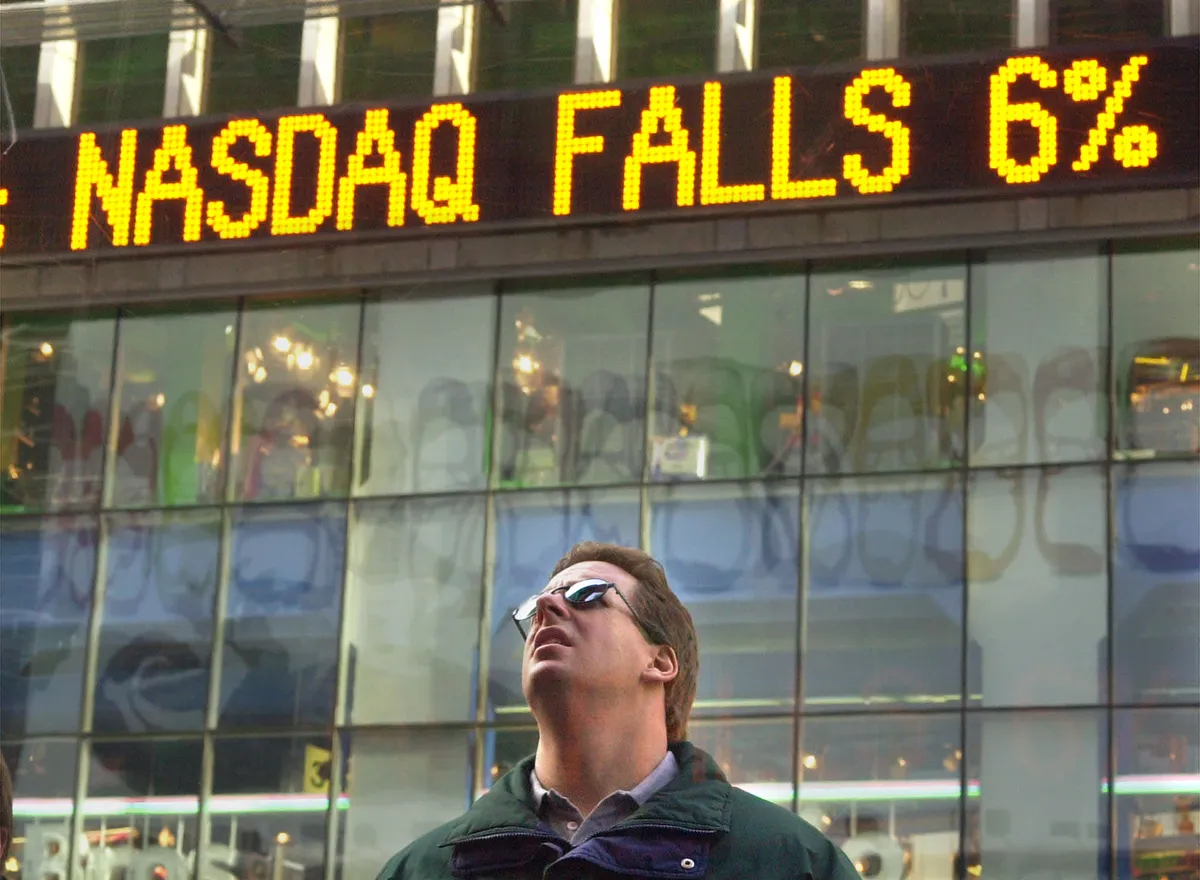
Generation X, defined as those born between 1965 and 1980, often finds themselves overshadowed by the larger narratives surrounding the Baby Boomer generation. As this cohort approaches retirement age, it does so with distinct financial challenges that could threaten their long-term financial security. Unlike their predecessors, who frequently enjoyed the benefits of defined benefit pension plans, Gen Xers are increasingly reliant on defined contribution plans, with only 14% of them holding a traditional pension compared to 56% of Baby Boomers. This shift has raised concerns about their readiness for retirement, especially as they navigate a volatile market environment.
With many Gen Xers in their late 40s to early 50s, the pressure is on to build and protect their retirement savings. A decade of strong stock market performance has led many to invest heavily in S&P 500 mutual funds and ETFs. However, as they near retirement, the risk of a market downturn looms larger. Historical data shows that significant market crashes often occur during crucial retirement years, leaving many investors vulnerable at precisely the wrong time. Understanding these risks and implementing strategic financial planning can make a significant difference in the ability of Gen Xers to retire comfortably.
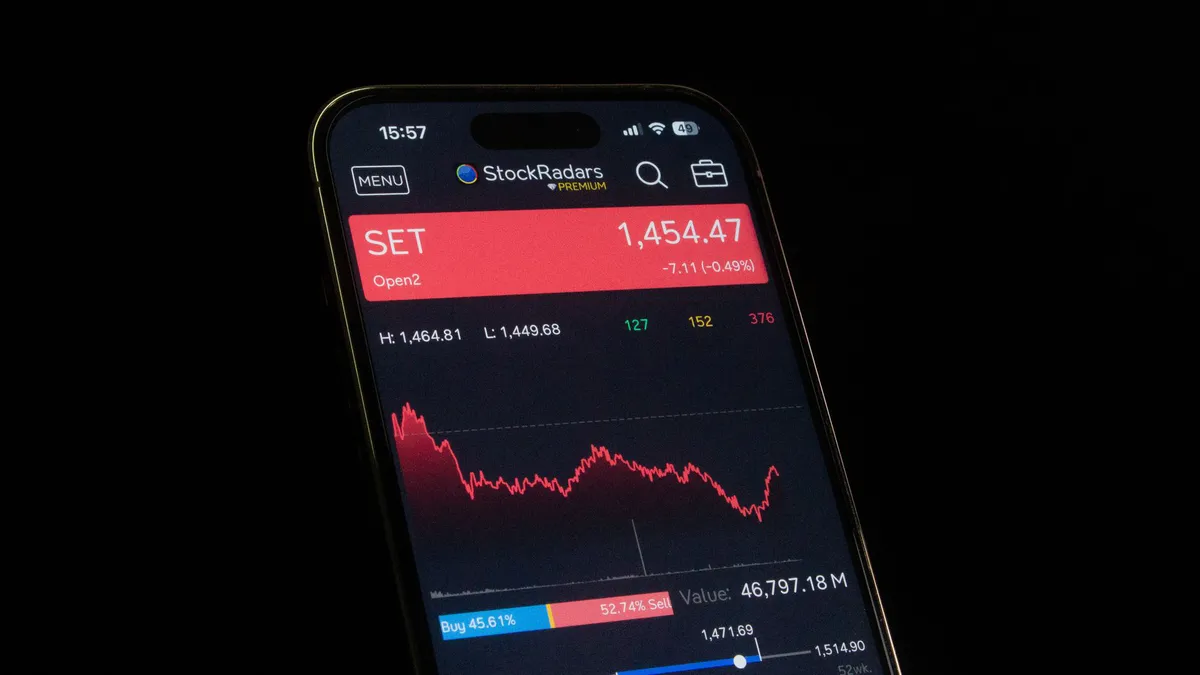
The Shift from Pensions to 401(k)s
The transition from defined benefit plans to defined contribution schemes significantly impacts Gen X's retirement readiness. With fewer guaranteed income sources in retirement, many Gen Xers find themselves solely responsible for funding their future. The implications are profound: without a traditional pension, the burden of saving and investing is placed entirely on the individual, often leading to inadequate retirement savings.
According to research from Alliance's Retirement Income Institute, Generation X is the least financially prepared generation for retirement by nearly every measure. This lack of preparation is exacerbated by the fact that many have not had the opportunity to benefit from the long-term gains of a typical pension plan, which generally provides consistent income through retirement.

Market Timing and the Sequence of Returns Risk
As Gen X investors approach retirement, they face the critical issue of timing their investments. The concept of sequence of returns risk refers to the danger of experiencing negative investment returns early in retirement when withdrawals are being made. For example, if the market declines in the first few years after an individual retires, the impact can be devastating. Selling investments at a loss to meet living expenses can deplete retirement savings faster than anticipated, creating a vicious cycle of financial insecurity.
Ernie Cave, a certified financial planner, emphasizes the importance of having a diversified portfolio that separates short-term needs from long-term growth. He recommends maintaining a “war chest” of cash or short-term investments to cover at least two years of expected withdrawals. This strategy aims to reduce the risk of being forced to sell stocks during a downturn, allowing investments time to recover.

Strategies for Protecting Retirement Savings
Given the unpredictable nature of the market, Gen Xers can adopt several strategies to safeguard their retirement savings:
- Diversification: Rather than concentrating investments in high-performing sectors like technology, a diversified portfolio across various asset classes—including stocks, bonds, and cash—can provide greater stability.
- Glide Path Investments: Gradually shifting a portfolio from stocks to bonds as retirement approaches can minimize exposure to market volatility. This strategy helps protect assets while still allowing for growth.
- Bond Tents: Increasing bond holdings in the years leading up to and just after retirement can provide a buffer against market downturns, ensuring that retirees have stable income sources.
- Periodic Rebalancing: Regularly reviewing and adjusting your portfolio can help maintain the desired risk level and prevent overexposure to any single investment.
- Consult with Financial Advisors: Working with a qualified financial planner can provide personalized strategies that account for individual risk tolerance and retirement goals.
Understanding Market Concentration and Its Risks
Another critical aspect that Gen Xers should consider is the concentration risk present in many investment indices. Currently, a significant portion of the S&P 500's value is concentrated in a handful of tech companies, raising concerns about vulnerability to market fluctuations. Asher Rogovy, chief investment officer of Magnifina, points out that such concentration mirrors the conditions leading up to the dot-com bubble, suggesting that investors should be cautious.
By diversifying investments across a broader array of sectors and considering equal-weighted index funds, investors can mitigate some of the risks associated with market concentration. This approach allows for a more balanced exposure to various companies, reducing the likelihood of significant losses during downturns.
Preparing for the Future: The Importance of Long-Term Planning
As Gen Xers prepare for retirement, the importance of long-term financial planning cannot be overstated. The decisions made today will significantly impact their financial security in retirement. By understanding the risks associated with market volatility and implementing strategies to mitigate them, Gen X investors can position themselves for a more secure future.
Transitioning into retirement should be a gradual process, much like preparing for a long road trip. Sudden changes in investment strategy can lead to unnecessary stress and financial instability. Instead, a measured approach, focusing on gradual adjustments and maintaining a well-balanced portfolio, can make the journey to retirement smoother and more manageable.

Key Takeaways
- Generation X faces unique challenges in retirement planning, primarily due to the shift from defined benefit pensions to defined contribution plans.
- Sequence of returns risk poses a significant threat to retirees, emphasizing the need for a diversified portfolio that separates short-term and long-term investments.
- Strategies such as glide path investing, bond tents, and periodic rebalancing can help mitigate market risks as retirement approaches.
- Market concentration in the S&P 500 raises concerns; diversifying investments can help protect against downturns.
- Long-term financial planning and gradual transitions are essential for ensuring a secure retirement.
Frequently Asked Questions
What is sequence of returns risk and why is it important for retirees?
Sequence of returns risk refers to the potential negative impact on a retiree's portfolio when experiencing poor investment returns early in retirement. This risk is crucial for retirees because if they are forced to sell investments at a loss to cover living expenses, it can significantly deplete their savings, making it challenging to recover financially. Proper planning and maintaining a diversified portfolio can help mitigate this risk.
How can Gen Xers prepare for retirement amidst market volatility?
Gen Xers can prepare for retirement by adopting several strategies, including diversifying their investment portfolios, employing glide path strategies that gradually shift from stocks to bonds, and maintaining a “war chest” of cash or short-term investments. Working with a financial advisor can also provide personalized advice tailored to their unique financial situations and goals.
What role does market concentration play in investment risk?
Market concentration occurs when a significant portion of an investment index, like the S&P 500, is dominated by a few companies. This can increase investment risk, as poor performance by these dominant firms can lead to substantial losses in the overall index. Diversifying investments across a broader range of sectors and considering equal-weighted funds can help mitigate this concentration risk.
Why is gradual transition important for retirement planning?
A gradual transition into retirement allows for a smoother adjustment to changing financial needs. Making sudden changes to an investment strategy can increase stress and lead to financial instability. By implementing a measured approach to portfolio adjustments, retirees can better manage risks and ensure their financial security over time.
This article is for educational purposes only and should not be considered financial advice.
Comments
Selecting the Ideal Executor for Your Estate: Key Qualities to Consider
Choosing the right executor for your estate is a crucial decision that goes beyond mere trust. Explore the essential qualities to look for and why they matter in estate management.

Related articles



Popular in Retirement
- Understanding Trump Accounts: A New Investment Opportunity for Kids
- The Impending Crisis: Social Security Reform and Its Economic Ripple Effects
- Navigating Long-Term Care Insurance: Flexible Alternatives for a Secure Future
- Balancing AI and Employee Loyalty: A Guide for Small Business Owners
- Navigating Retirement: Overcoming Doubts and Embracing Change