Navigating the New Medicare GLP-1 Coverage: What You Need to Know
Medicare's new GLP-1 Bridge program offers coverage for weight-loss drugs at a low monthly price, but strict eligibility criteria and hidden costs may catch many off guard. Learn the essential details to navigate this new benefit as a Medicare beneficiary.
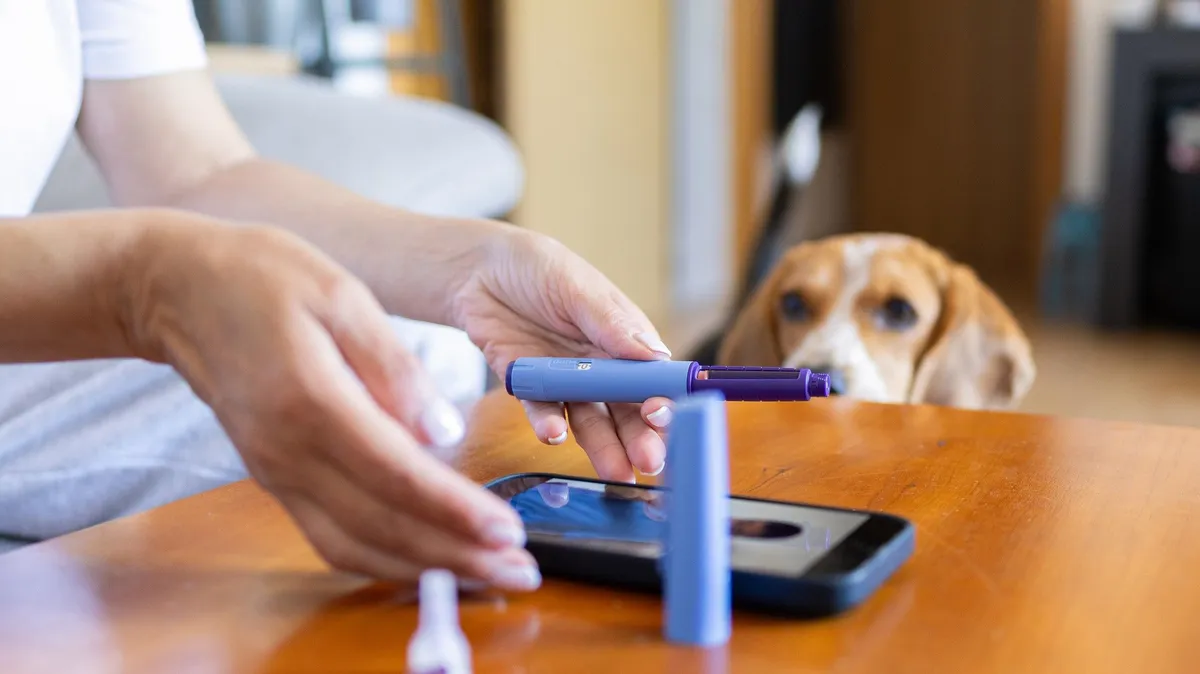
The landscape of health care coverage can often feel like a labyrinth, especially for seniors navigating Medicare. With the recent introduction of the Medicare GLP-1 Bridge program, eligible beneficiaries can access popular weight-loss medications like Wegovy, Zepbound, or Foundayo for just $50 a month. This initiative marks a significant milestone in the history of Medicare, as it is the first time weight-loss drugs have received coverage under the program. However, while the offer appears attractive, the reality is more complex. Understanding the intricacies of this program is crucial for Medicare beneficiaries who may be considering these medications for weight management or associated health issues.
This article aims to unravel the layers of the GLP-1 Bridge program, shedding light on not only the benefits but also the potential pitfalls that could affect your access to these medications. With nearly 70 million Medicare beneficiaries in the U.S., many may find themselves eligible for this coverage, but strict criteria and hidden costs could mean that the path to affordable care is fraught with challenges.

Understanding GLP-1 Medications and Their Coverage
GLP-1 medications are derived from a compound found in the saliva of the Gila monster, which mimics a hormone that signals fullness in humans. Initially developed for managing type 2 diabetes, these drugs have gained popularity for their effectiveness in weight loss. According to a Gallup poll, approximately 11% of U.S. adults currently use GLP-1 medications for weight management, highlighting their growing acceptance and demand.
Medicare's involvement in covering these drugs is groundbreaking, as historically, weight-loss medications were excluded from coverage under Medicare Part D due to concerns over safety and efficacy. However, the new Bridge program allows beneficiaries to access these drugs for the first time, albeit through specific eligibility requirements, which we will examine in detail.

The Expiration Date of Coverage
One of the most critical aspects of the GLP-1 Bridge program is its expiration date. The program is set to run until December 31, 2027, and it operates outside the standard Medicare Part D framework, which can complicate planning for long-term medication needs. While this demonstration program provides immediate access to GLP-1 drugs, the lack of a confirmed successor program raises concerns about continuity of care for beneficiaries. The anticipated BALANCE Model, designed to extend this coverage beyond 2027, failed to gain the necessary insurer participation, leaving many in limbo regarding their future access to these medications.

Eligibility Requirements: The Hidden Barriers
To qualify for the GLP-1 Bridge program, beneficiaries must meet specific criteria. Not only must they have a body mass index (BMI) of at least 27, but they also need to have a qualifying medical condition. These include prediabetes, a history of heart attack or stroke, or peripheral artery disease. For those with a BMI of 30 or higher, additional conditions like heart failure, chronic kidney disease, or uncontrolled hypertension may also qualify them for coverage.
However, it is estimated that only about 3.8 million Medicare beneficiaries meet these strict criteria, a stark contrast to the approximately 69 million individuals enrolled in Medicare. This means that less than one in 18 beneficiaries will be able to take advantage of the $50 monthly price tag, raising the question of whether this program truly addresses the needs of the larger Medicare population dealing with obesity.
Understanding the True Cost of $50
While the $50 monthly cost for GLP-1 medications may initially seem like a bargain compared to the typical retail price of $900 to $1,400, there are important caveats to consider. First, it's crucial to note that this copay does not count toward the annual out-of-pocket maximum of $2,100 set for Medicare Part D beneficiaries. In essence, this means that even if you hit your out-of-pocket cap through other medications, the $50 copay for GLP-1s continues to accumulate.
Additionally, beneficiaries who qualify for the Low-Income Subsidy program, which typically reduces medication costs, will still be responsible for the full $50. For older adults on fixed incomes, this unexpected expense can be a significant burden, potentially discouraging them from seeking necessary treatment.
- Cost of GLP-1 medications: Retail price ranges from $900 to $1,400 per month.
- Medicare Part D out-of-pocket cap: $2,100 in 2026.
- Low-Income Subsidy beneficiaries: Still pay the full $50 copayment.

Challenges of Sustaining Medication Access
Even for those who qualify for the GLP-1 Bridge program, maintaining access to the medications can be challenging. Changes in insurance plans, shifts in formulary coverage, or even personal decisions to discontinue use can all impact a beneficiary's ability to stay on their prescribed GLP-1 regimen. Research indicates that between 50% to 65% of patients stop taking these medications within the first year, often due to cost, side effects, or changes in coverage.
Moreover, the lack of extensive clinical trial data on older populations means that healthcare providers may be hesitant to prescribe GLP-1 drugs to seniors, despite their potential benefits. Concerns about side effects, including muscle loss which can increase fall risk among older adults, can further complicate the decision to initiate or continue treatment.
Tips for Navigating the GLP-1 Bridge Program
For Medicare beneficiaries considering GLP-1 medications, here are practical steps to maximize access and affordability:
- Confirm Eligibility: Discuss qualifying conditions with your healthcare provider and confirm whether you meet the BMI and medical history requirements.
- Explore Covered Diagnoses: If you have type 2 diabetes or another qualifying condition, this route may provide more stable long-term coverage through your regular Part D plan.
- Plan for the $50 Cost: Budget for this expense separately, understanding that it does not contribute to your out-of-pocket maximum.
- Document Conditions: Ensure you have the necessary medical documentation for prior authorization, as the process may be slow and cumbersome.
- Stay Informed: Regularly check for updates on potential successor programs and maintain open communication with your healthcare provider about your treatment options.
Key Takeaways
- Medicare's GLP-1 Bridge program offers access to weight-loss drugs for $50 per month, but eligibility is limited.
- The program expires on December 31, 2027, with no guaranteed long-term successor.
- Costs for GLP-1 medications do not count towards Medicare's out-of-pocket maximum, which can lead to unexpected expenses.
- Many beneficiaries may face challenges in maintaining access to these medications due to changes in insurance and personal decisions.
- Planning and documentation are essential for maximizing benefits and minimizing costs.
Frequently Asked Questions
What should I do if I think I qualify for GLP-1 medications?
If you believe you meet the eligibility criteria for the GLP-1 Bridge program, the first step is to consult with your healthcare provider. Discuss your weight and any related health conditions that may qualify you. Your doctor can help you navigate the prior authorization process and confirm whether your condition aligns with Medicare's requirements.
How can I prepare for potential changes in coverage after 2027?
Given the uncertainty surrounding the future of GLP-1 coverage, it’s wise to stay informed about any updates from Medicare. Maintain a conversation with your healthcare provider about your treatment plan and consider alternative medications or therapies in case the Bridge program ends without a successor. Explore direct-to-consumer options or pharmacy discount programs as potential fallbacks.
What if I don’t qualify for the GLP-1 Bridge program?
If you do not meet the eligibility requirements for the Bridge program, you may still have options. Discuss with your healthcare provider about other weight management strategies or medications that may be covered under standard Medicare Part D. Additionally, lifestyle changes such as diet and exercise can help manage weight and improve overall health without incurring high medication costs.
How can I budget for the $50 monthly copay?
Budgeting for the $50 monthly copay is crucial, especially since this cost does not contribute to your out-of-pocket maximum. Consider setting aside funds specifically for this expense, and reevaluate your monthly budget to see if there are areas where you can cut back. This proactive approach can help mitigate the financial impact of the copay.
Disclaimer: The content is educational, not financial advice.
Comments
Understanding the Widow's Penalty: Planning for Financial Loneliness
The widow's penalty can significantly impact the financial stability of surviving spouses. This article explores the nuances of this tax burden and how proactive planning can alleviate its effects.

Related articles


Popular in Retirement
- Understanding Trump Accounts: A New Investment Opportunity for Kids
- The Impending Crisis: Social Security Reform and Its Economic Ripple Effects
- Navigating Long-Term Care Insurance: Flexible Alternatives for a Secure Future
- Balancing AI and Employee Loyalty: A Guide for Small Business Owners
- Navigating Retirement: Overcoming Doubts and Embracing Change