Unveiling Hidden Costs of Retiring in Florida: What You Need to Know
While Florida's sunny weather and tax benefits attract retirees, hidden costs like HOA fees and insurance can significantly impact budgets. This guide explores these factors to help you plan wisely.

Florida, with its balmy weather, stunning beaches, and enticing promise of no state income tax, has long been a favorite destination for retirees. With nearly 5 million residents aged 65 and older, the state embodies the ideal retirement dream for many seeking sun-soaked days and a relaxed lifestyle. However, while the allure of Florida is undeniable, many prospective retirees often overlook the hidden costs associated with relocating to this sunny paradise. Ignoring these expenses can lead to financial strain, undermining the very benefits that attracted them in the first place.
As a certified financial planner might advise, it's crucial to look beyond the headlines of tax benefits and consider the overall cost of living. Florida's appeal is not just about avoiding state income tax; it's about understanding the full spectrum of financial implications that come with living in the state. From homeowner association (HOA) fees to skyrocketing insurance premiums, retirees must prepare for a variety of expenses that can quickly drain their budgets.

Understanding Florida's Cost of Living
When evaluating the feasibility of retirement in Florida, it’s essential to consider the total cost of living. While you may save on state income tax, other costs can accumulate. Here’s a breakdown of significant expenses that can catch many retirees off-guard:
1. HOA Fees That Can Break the Bank
One of the most staggering expenses for retirees moving to Florida is the cost of homeowner association (HOA) fees. Florida consistently ranks as the state with the highest average HOA fees in the country. For example, a homeowner in Miami with a property valued at $425,000 pays about $617 per month in HOA fees. This adds up to over $7,400 annually, a significant chunk of a retirement budget.
2. Surprise Condo Special Assessment Fees
Following the tragic collapse of the Surfside condo in Miami, Florida enacted new laws requiring mandatory inspections and fully funded reserves for buildings taller than three stories. This means that if a condo association falls short on funds for necessary repairs, homeowners may face unexpected special assessments. These fees can range from a few hundred to tens of thousands of dollars, depending on the severity of the required repairs.

Insurance Costs: A Major Budget Consideration
3. Rising Insurance Premiums
Retirees relocating to Florida should also brace themselves for higher insurance premiums. Whether for homeowners, health, or auto insurance, costs in Florida far exceed the national average. For instance, residents in flood-prone areas are required to carry flood insurance, which can be prohibitively expensive. Additionally, Florida ranks as one of the costliest states for auto insurance. According to U.S. News & World Report, the average annual premium can reach upwards of $2,400, significantly impacting budget considerations for retirees who need reliable transportation.
4. Year-Round Utility Bills
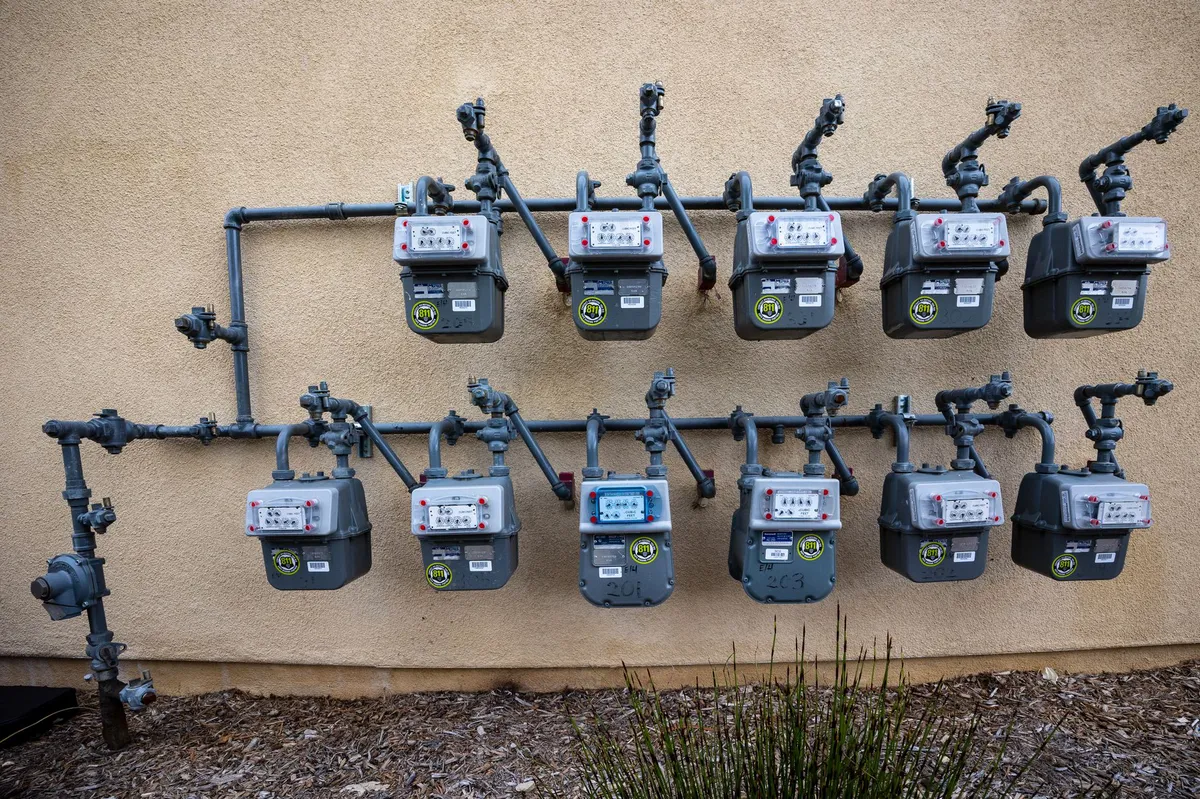
While Florida's electricity rates are generally below the national average, the total monthly utility bills are among the highest in the U.S. The state's warm climate necessitates air conditioning for the vast majority of the year, leading to increased energy consumption and costs. Many newcomers from northern states may not anticipate that their utility expenses could be significantly higher due to the extended need for cooling, potentially adding hundreds of dollars each month to their budgets.
Healthcare and Caregiving Costs
5. Caregiver Shortages
Another financial consideration that retirees must address is the availability and cost of caregiving services. Florida has seen a surge in demand for caregivers due to its aging population; however, the supply of personal care and home health aides has not kept pace. Currently, Florida ranks last in the nation for caregivers, with just 17 aides per 1,000 adults aged 65 and older, compared to the national average of 65. This shortage drives up the cost of care, which can be a significant expense for retirees needing assistance.
6. Property Tax Resets
While Florida does cap annual property tax assessments for existing homeowners at 3%, retirees purchasing homes may face a shock when their property taxes reset to the market rate. This reset often results in property taxes that could be double or triple what the previous homeowner paid. Therefore, new residents should factor this potential increase into their financial planning and budgeting.
Preparing for a Smooth Transition
Despite these hidden costs, moving to Florida can still be a rewarding experience for many retirees. The key is thorough research and planning. Here are some practical steps to mitigate these hidden expenses:
- Research HOA Fees: Before buying property, inquire about the HOA fees in your desired community and understand what services and amenities those fees cover.
- Evaluate Insurance Needs: Get multiple quotes for homeowners, health, and auto insurance to find the best rates. Consider the specific risks associated with the area, such as flood or hurricane-related coverage.
- Budget for Utilities: Anticipate higher utility bills due to air conditioning needs and budget accordingly. Review average utility costs for your specific area.
- Plan for Health Care: Research local health care facilities and caregiver availability. Understanding the landscape of care options can help you prepare for potential needs down the line.
- Understand Property Taxes: Consult with a tax advisor to get a clear picture of what property taxes might look like in your new home.
Key Takeaways
- Florida has no state income tax, but retirees should consider the overall cost of living.
- HOA fees in Florida can be among the highest in the U.S., significantly impacting budgets.
- Insurance costs, including homeowners and auto, are above the national average in Florida.
- Utility bills can be unexpectedly high due to the climate, requiring year-round cooling.
- Caregiving availability is limited, driving up costs for essential services.
Frequently Asked Questions
What is the average cost of living in Florida for retirees?
The average cost of living in Florida can vary widely depending on the city or region. While some areas have affordable housing, others, particularly near the coast, can be quite expensive. Overall, retirees should expect to budget for higher HOA fees, insurance costs, and utility bills than they might in other states.
Are there any tax advantages to retiring in Florida?
One of the main tax advantages of retiring in Florida is the absence of a state income tax, which can provide significant savings for retirees. However, it's essential to balance this benefit against the potentially higher costs of living and other expenses associated with the state.
How can I find affordable housing in Florida?
Finding affordable housing in Florida requires diligent research. Prospective retirees should explore various neighborhoods, compare HOA fees, and consider the overall property tax implications. Working with a local real estate agent familiar with the area can help identify suitable and affordable options.
What should I know about healthcare in Florida?
Healthcare in Florida can be excellent, but it varies by region. Many retirees will find a wide range of services available, but the demand for caregiving services is high, and supply is low. It’s advisable to research healthcare facilities and caregiving resources in your area before making the move.
Disclaimer: The content is educational, not financial advice.
Comments
Should You Include REITs in Your Retirement Portfolio?
Real estate investment trusts (REITs) can provide retirees with steady income, but they also come with risks. Explore whether they belong in your retirement strategy.

Related articles

Popular in Retirement
- Understanding Trump Accounts: A New Investment Opportunity for Kids
- The Impending Crisis: Social Security Reform and Its Economic Ripple Effects
- Navigating Long-Term Care Insurance: Flexible Alternatives for a Secure Future
- Balancing AI and Employee Loyalty: A Guide for Small Business Owners
- Navigating Retirement: Overcoming Doubts and Embracing Change