Avoid These 4 Pre-Paid Household Bills in Retirement to Save Money
Retirement can be more costly than expected, especially when pre-paying certain household bills. Here’s how delaying payments can enhance your financial flexibility and savings.

Retirement is often depicted as a leisurely time to enjoy life, pursue hobbies, and spend time with family. However, it can also be a period fraught with financial challenges, particularly when it comes to managing household expenses. While some retirees believe that pre-paying certain bills can help secure better rates and provide peace of mind, this strategy can sometimes backfire, resulting in lost savings and reduced financial flexibility. Understanding which household bills to avoid pre-paying can be crucial for maintaining a healthy budget during retirement.
The key to successful financial management in retirement lies in timing and flexibility. While it may seem tempting to lock in rates for various services, the reality is that the markets can shift, and what seems like a good deal today might not be beneficial tomorrow. The following sections will delve into four common household bills retirees should think twice about pre-paying, alongside strategies to manage these expenses wisely.
Heating Oil: The Cost of Predictability
As winter approaches, many retirees consider locking in their heating oil rates to avoid price spikes during the cold months. While this approach offers predictability, it can also lead to higher costs. Fixed-rate plans may provide peace of mind, but if the market price of heating oil decreases, you’ll miss out on those savings. In contrast, a floating-rate plan allows you to pay the current market rate, which can fluctuate but often results in lower overall costs over time.
Understanding Pricing Options
- Fixed-rate plans: Secure a price for the season, but risk paying more if market prices drop.
- Capped-price plans: Set a ceiling on costs, but often come with upfront fees.
- Floating-rate plans: Pay the current market rate, potentially saving money in a declining market.

Electricity: The Risks of Locking In Rates
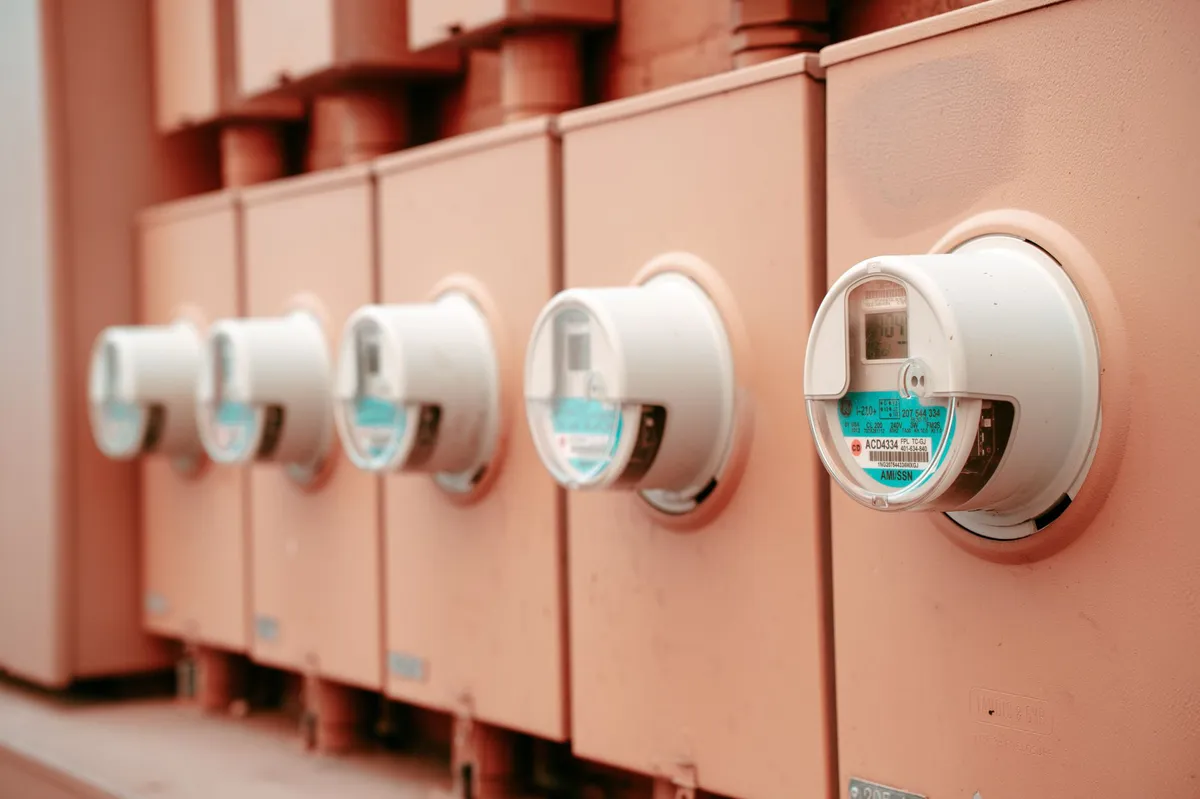
Similar to heating oil, locking in an electricity rate can seem like a wise decision. However, it may not always be the case. By committing to a fixed-rate plan, retirees risk losing out on lower rates if electricity prices decrease. Furthermore, many of these contracts come with hidden fees, such as early termination charges and fluctuating monthly rates after an initial promotional period. A more flexible approach allows retirees to stay nimble and take advantage of better offers as they arise.
Consider Your Options Carefully
Before signing a fixed-rate electricity contract, retirees should carefully read the fine print. Look for:
- Any early termination fees that could incur costs if you decide to switch providers.
- Monthly recurring charges that might not be immediately apparent.
- Promotional rates that could significantly increase after the initial term.
Insurance: Shop Around for Better Rates
Auto and homeowners insurance can often be set to auto-renew, providing convenience but potentially limiting savings. Many retirees assume that staying loyal to their current insurance provider will yield the best rates, but this is rarely the case. Shopping around annually can uncover significant savings; in fact, a LendingTree survey found that drivers reported saving at least $100 per year simply by switching auto insurance providers.
Benefits of Annual Review
Regularly reviewing your insurance policies can lead to:
- Identifying better coverage options that fit your current lifestyle.
- Taking advantage of competitive offers from other providers.
- Ensuring you're not overpaying for coverage that you no longer need.

Home Warranty Contracts: A Costly Commitment
Home warranty contracts are often marketed as a safety net against unexpected repair costs. While they offer the convenience of a fixed annual fee for various repairs, retirees may find that these contracts come with high service call fees and strict restrictions on what is actually covered. Instead of locking money into a warranty, retirees might consider putting that cash into a high-yield savings account. This allows the money to earn interest until it’s needed for a repair, providing both flexibility and potential savings.
Assessing Home Warranty Value
Before committing to a home warranty, consider:
- The types of repairs covered and any exclusions stated in the contract.
- Potential out-of-pocket expenses that may arise even with a warranty.
- The overall cost versus the likelihood of needing repairs within the contract term.

Key Takeaways
- Pre-paying household bills can lead to lost savings and reduced financial flexibility.
- Consider floating-rate plans for heating oil and electricity to take advantage of market fluctuations.
- Shop around annually for auto and homeowners insurance to ensure you’re getting the best rates.
- Evaluate the true value of home warranty contracts against potential repair costs.
Frequently Asked Questions
What should I do if I’ve already pre-paid a bill?
If you have already pre-paid a bill and are concerned about potential losses, consider evaluating your current financial situation. Look for areas where you can cut back on spending or reassess your budget to compensate for the pre-paid expense. Depending on the provider, you may also inquire about the possibility of rolling over your payment for future use or receiving a partial refund.
How can I effectively budget for household expenses in retirement?
To budget effectively for household expenses in retirement, start by tracking all of your monthly and annual expenses. This will help you identify non-essential costs that can be reduced or eliminated. Additionally, consider creating a flexible savings plan that allocates funds for unpredictable expenses, such as repairs or emergencies, ensuring you have enough liquidity to cover these costs without resorting to pre-payment.
Are there any exceptions to these recommendations?
While the general rule is to avoid pre-paying certain bills, there may be exceptions based on individual circumstances. For example, if you live in an area with consistently rising energy prices, locking in a fixed rate may be worthwhile. Always weigh the potential cost savings against the benefits of flexibility and liquidity in your financial planning.
What is a high-yield savings account, and how can it help retirees?
A high-yield savings account is a type of savings account that offers a higher interest rate compared to traditional savings accounts. For retirees, these accounts can be a great way to earn interest on funds that may otherwise sit idle. By keeping cash in a high-yield savings account, retirees can maintain liquidity while ensuring their money grows over time, providing a financial cushion for unexpected expenses.
Disclaimer: This content is educational, not financial advice.
Comments
Maximizing Roth IRA Conversions During Market Drops: A Strategic Guide
Market downturns can provide unique opportunities for savvy retirement savers. Discover how to leverage a Roth IRA conversion to minimize tax liabilities and secure tax-free growth.

Related articles
Popular in Retirement
- Understanding Trump Accounts: A New Investment Opportunity for Kids
- The Impending Crisis: Social Security Reform and Its Economic Ripple Effects
- Navigating Long-Term Care Insurance: Flexible Alternatives for a Secure Future
- Balancing AI and Employee Loyalty: A Guide for Small Business Owners
- Navigating Retirement: Overcoming Doubts and Embracing Change