Understanding Certified Checks: A Secure Payment Option for Large Transactions
Certified checks offer a secure and reliable payment method for significant purchases. This article explores how certified checks work, when to use them, and their key differences from other payment methods.
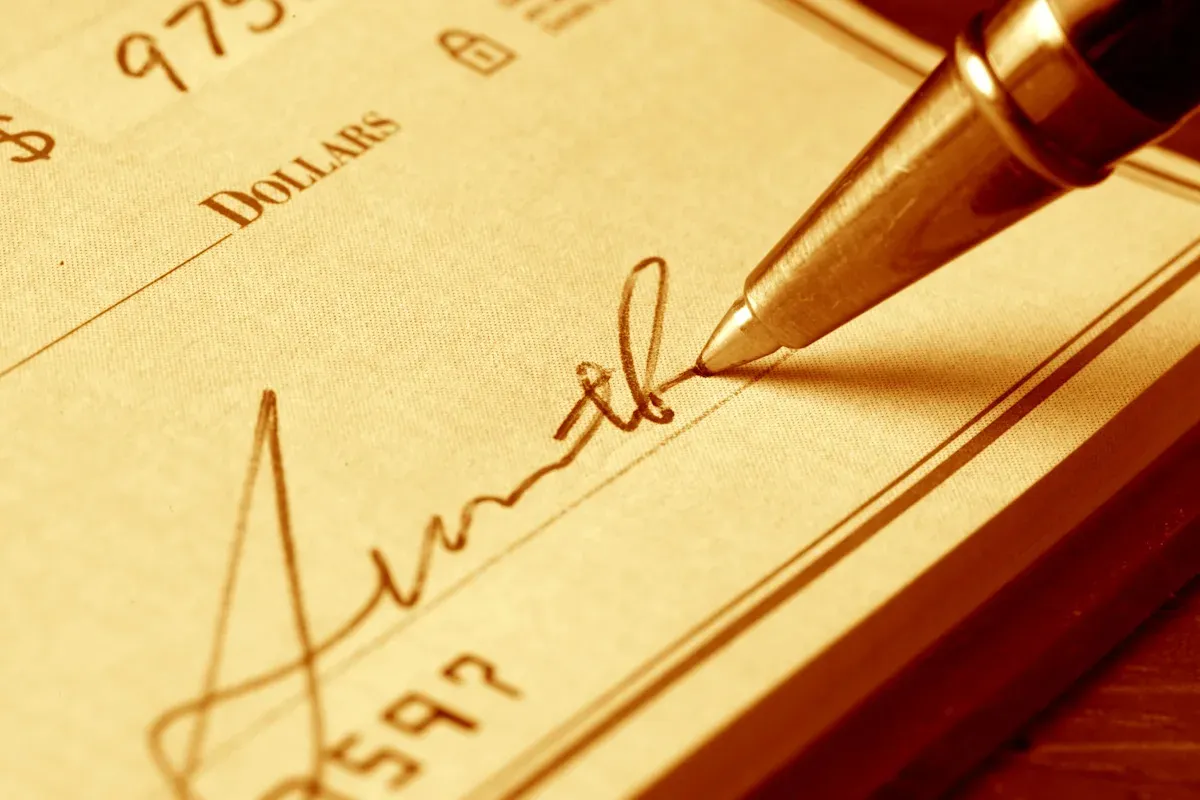
In an increasingly digital financial landscape, the need for secure payment methods remains paramount, especially when making large purchases. Certified checks stand out as a trusted option for consumers seeking assurance in their transactions. But what exactly is a certified check, and how does it work? This article delves into the mechanics of certified checks, their benefits, and comparisons with similar financial instruments, ensuring you have all the information you need for your next significant purchase.
What is a Certified Check?
A certified check is a type of check that has been guaranteed by a bank. Unlike personal checks, which can bounce if insufficient funds are in the account, a certified check ensures that the funds are available and that the signature on the check is authentic. When you request a certified check, your bank verifies that you have enough money in your account to cover the amount, and then it freezes that amount until the check is cashed or deposited.
How Does a Certified Check Work?
To illustrate, consider a scenario where you need to make a down payment on a car for $10,000. If you write a personal check for this amount, there’s a risk that your check could bounce if you don’t have sufficient funds at the time of processing. However, with a certified check, once the bank certifies it, $10,000 is held in your account, providing peace of mind to the seller that you have the money to complete the transaction. This guarantee makes certified checks a preferred option in situations involving significant sums of money or where trust between parties may be in question.

When is a Certified Check Required?
There are several scenarios where a certified check may be necessary:
- Large Purchases: Transactions like buying a car, real estate, or expensive equipment often require certified checks to ensure the seller receives guaranteed payment.
- Trust Issues: If you have a history of writing bad checks, vendors may insist on certified checks to protect their interests.
- Rent and Deposits: Landlords may require certified checks for security deposits or first month’s rent, particularly for high-value properties.
Additionally, some businesses may request certified checks for transactions that involve large sums or where the buyer’s creditworthiness is uncertain. It’s essential to understand that while certified checks are commonly accepted, some institutions may prefer a cashier's check or other forms of payment, so always confirm with the recipient beforehand.
The Benefits of Using a Certified Check
While obtaining a certified check may require a trip to your bank, the benefits it offers can outweigh the inconvenience:
Peace of Mind
Both the payer and payee enjoy peace of mind knowing that the payment is secure. The recipient can be confident that the funds are guaranteed, while the payer can rest assured that their finances are protected.
Faster Transactions
Since certified checks guarantee that the funds are available, transactions can often be processed more quickly compared to personal checks, which may take several days to clear.
Safety and Security
If a certified check is lost or stolen, it’s typically easier to replace than cash. Banks have protocols for replacing certified checks, which don’t exist for cash payments.
Understanding the Costs Involved
While personal checks are often free, certified checks come with a cost. Generally, you can expect to pay between $15 and $20 for a certified check, depending on your bank’s policies. Not all banks offer certified checks, so if your bank does not provide this service, you may need to consider alternatives like cashier's checks or money orders.
Certified Check vs. Cashier’s Check
It’s easy to confuse certified checks with cashier's checks, but there are some key differences:
- Issuance: Certified checks are drawn from your personal account, while cashier's checks are issued by the bank itself.
- Security: Cashier's checks are generally considered more secure since they are backed by the bank's funds, not just those in your personal account.
- Payment Process: When you request a cashier's check, the bank immediately withdraws the funds from your account and stores them in the bank’s account until the check is cashed.
Both certified checks and cashier's checks provide secure payment options, but depending on the transaction, one may be more suitable than the other.

Key Takeaways
- Certified checks are guaranteed by banks, providing security for large transactions.
- They are often required for significant purchases or when trust is a concern.
- Unlike personal checks, certified checks prevent the risk of bounced payments.
- Expect to pay fees between $15 and $20 for certified checks.
- Cashier's checks offer a higher level of security compared to certified checks.
Frequently Asked Questions
What should I do if my certified check is lost or stolen?
If your certified check is lost or stolen, you should contact your bank immediately. They will have procedures in place to verify your identity and the details of the check, and they can assist you in placing a stop payment on the lost check. Depending on the bank and the circumstances, you may have the option to issue a new certified check.
Can I get a certified check online?
Most banks require you to visit a branch in person to obtain a certified check, as they need to verify your identity and the available funds directly. However, some online banks may offer the ability to request certified checks through their platforms, but this is less common. Always check with your bank for their specific policies.
Are certified checks considered cash equivalents?
While certified checks are not classified as cash, they are treated similarly in many financial transactions due to their guaranteed payment status. This makes them a reliable alternative to cash for large purchases, especially when the recipient requires a secured form of payment.
How long does it take to cash a certified check?
The time it takes to cash a certified check can vary depending on the policies of the bank where it is cashed. Typically, certified checks clear faster than personal checks, often within one business day. However, it’s always advisable to check with the bank to understand their specific process and timeline.
Please note that this content is educational and not financial advice.
Comments
HDFC Bank's Q1 2027 Earnings: Insights on Growth and Challenges
HDFC Bank's first-quarter earnings report reveals strong growth in loans and deposits, but highlights challenges in margin management and funding costs. CEO Sashi Jagdishan emphasizes customer service and technology investments as key to future success.

Related articles

Popular in Banking
- AI Revolution: HDFC Bank's Workforce Reduction and Future of Banking
- JPMorgan Chase Reports Record Profits: What It Means for Banking and Consumers
- UniCredit's Bold Play for Commerzbank: Merging Two European Giants
- Are 7% Interest Savings Accounts a Thing of the Past?
- Impact of New Lending Guidelines on Immigrants in the U.S.