Prepaid Cards vs. Debit Cards: Choosing the Right Payment Method
Understanding the differences between prepaid and debit cards can help you make informed financial decisions. Explore their features, fees, and who benefits most from each.

As cash transactions continue to dwindle, with the Federal Reserve reporting that cash accounts for just 7% of total payments, consumers are increasingly turning to alternative payment methods. For those who prefer not to use credit cards due to debt concerns, both prepaid and debit cards offer convenient solutions. However, while they might seem similar at first glance, they serve different financial needs and come with distinct advantages and disadvantages. Understanding these differences is crucial for making informed financial decisions.
This article will delve into the intricacies of prepaid cards and debit cards, highlighting their functionalities, associated fees, and the types of consumers who may benefit most from each option.
Understanding Prepaid Cards
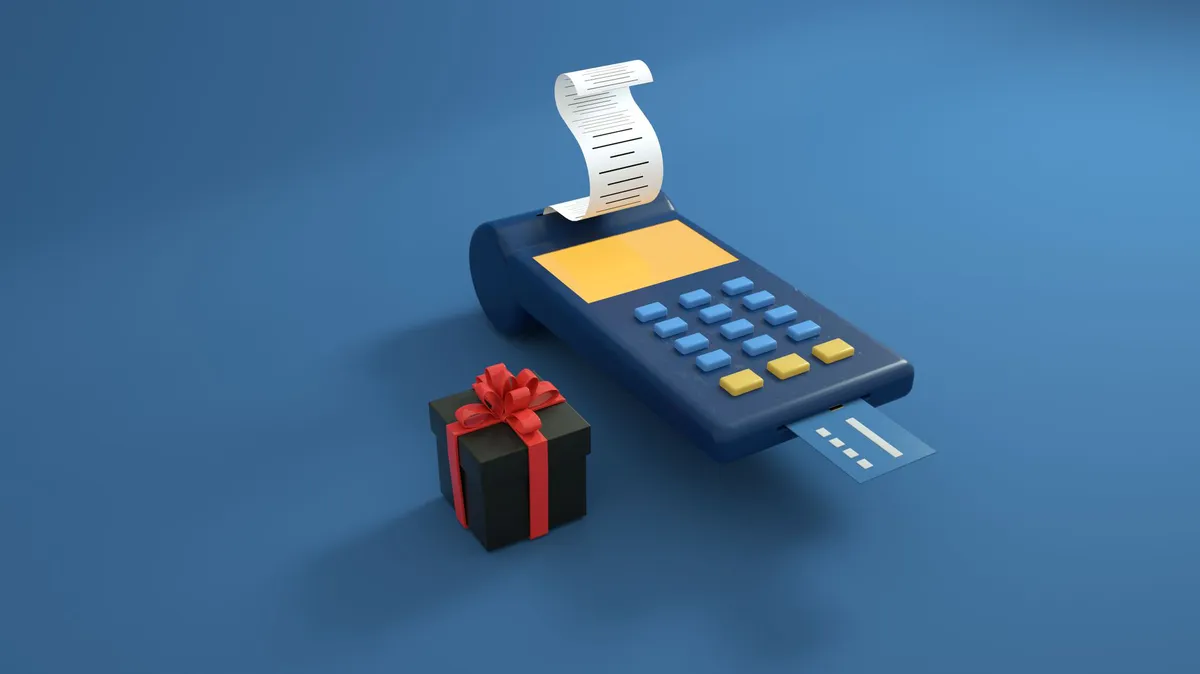
A prepaid card is a payment card that you load with a set amount of money before using it for purchases. Unlike a debit card, a prepaid card is not connected to a bank account; instead, it allows you to spend only the amount you have pre-loaded. This makes prepaid cards an attractive option for individuals who may not have access to traditional banking services or those who want to manage their spending more effectively.
How Prepaid Cards Work
Prepaid cards can be purchased at various locations, including grocery stores, pharmacies, and online retailers. They are typically part of major payment networks like Visa or Mastercard, allowing users to make transactions at virtually any merchant that accepts cards. To use a prepaid card, you simply load it with cash—either in-person or electronically—and then use it to pay for goods or services until the balance is depleted.
Key Benefits of Prepaid Cards
- No Bank Account Required: Prepaid cards are an excellent option for the unbanked population. According to a 2025 report by the Federal Reserve, 6% of adults in the U.S. are unbanked, making prepaid cards accessible for those without traditional banking services.
- Budget Control: With a prepaid card, you can only spend what you load onto it, which makes it easier to stick to a budget and avoid overspending.
- Widely Accepted: Prepaid cards can be used for both in-store and online purchases, providing the convenience of a debit or credit card.
The Dynamics of Debit Cards
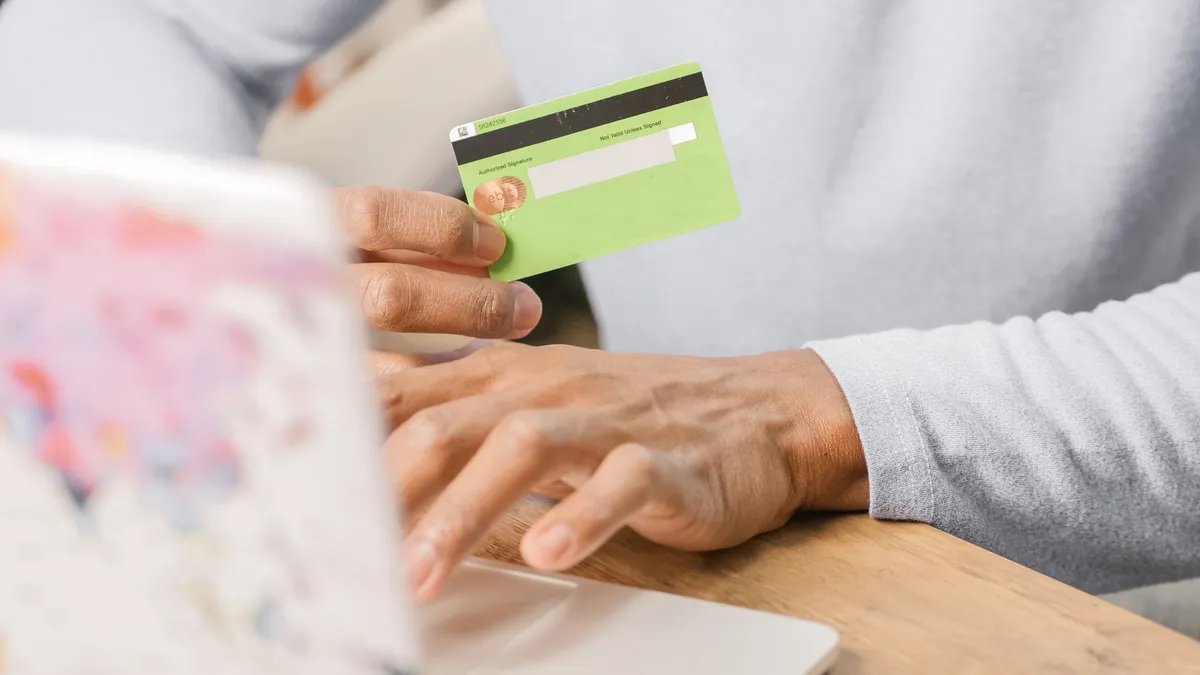
On the other hand, debit cards are linked directly to your checking account. When you make a purchase using a debit card, funds are withdrawn directly from your bank balance. This connection to a bank account gives debit cards a unique set of advantages and liabilities.
How Debit Cards Work
When you open a checking account with a bank or credit union, you are typically issued a debit card. Using it is straightforward: simply swipe the card at a merchant or enter your card information online, and the money is deducted from your account immediately. Unlike prepaid cards, debit cards do not require you to load money onto them in advance, allowing for more flexibility in spending.
Benefits of Debit Cards
- Direct Access to Funds: Since debit cards are linked to your checking account, you can access your funds directly without needing to preload money.
- Lower Fees: Debit cards generally have fewer fees compared to prepaid cards. While some banks may charge monthly maintenance fees, these can often be waived by meeting certain conditions, like maintaining a minimum balance or setting up direct deposits.
- Fraud Protection: Debit cards are subject to strict regulatory protections. If your card is lost or stolen, your liability for unauthorized transactions is limited to $50 if reported within two business days.

Prepaid Cards vs. Debit Cards: A Comparative Analysis
While both prepaid and debit cards fulfill similar roles in terms of facilitating payments, they differ significantly in terms of requirements, fees, and user experience. Here are some critical differences to consider:
1. Bank Account Requirement
The most notable difference is that prepaid cards do not require a bank account, making them accessible to individuals without traditional banking services. In contrast, debit cards necessitate an open checking account.
2. Fee Structures
Prepaid cards often carry multiple fees, which can significantly impact their usability:
- Activation Fees: Generally ranging from $0 to $10, charged when you first obtain the card.
- Monthly Fees: Some prepaid cards charge monthly service fees, often between $0 and $8.
- Cash Reload Fees: Adding cash to a prepaid card may incur a fee, potentially up to $6.
- Inactivity Fees: If a prepaid card remains unused for 60 days or more, you may face monthly inactivity fees.
Debit cards, on the other hand, usually have lower fees associated with their use, and many banks offer free options or ways to avoid monthly charges.
3. ATM Access
When it comes to accessing cash, both card types allow ATM withdrawals, but the fee structures differ. Prepaid cards may charge an ATM fee regardless of the machine used, while debit cards typically allow for free withdrawals at in-network ATMs.
Who Should Use Each Card?
The choice between a prepaid card and a debit card largely depends on individual circumstances and financial goals. Here are some considerations:
Prepaid Cards
These cards are particularly beneficial for:
- People without access to traditional banking services.
- Individuals looking to control their spending and avoid accumulating debt.
- Parents wanting to provide their teenagers with a controlled spending option.
Debit Cards
Debit cards may be a better fit for:
- Individuals with a checking account who want easy access to their funds.
- Consumers looking to minimize fees associated with their payment methods.
- Those who prefer the convenience of direct access to their bank balance without preloading funds.
Key Takeaways
- Prepaid cards do not require a bank account, making them accessible to unbanked consumers.
- Debit cards are linked to checking accounts, providing direct access to your funds.
- Prepaid cards may have higher fees compared to debit cards, which often have lower or waived fees.
- Choosing the right card depends on your financial situation and spending habits.
Frequently Asked Questions
Is a prepaid card better than a debit card?
Determining whether a prepaid card is better than a debit card depends on your specific needs. If you do not have a bank account or are looking to limit your spending, a prepaid card might be the best option. However, if you have a checking account, a debit card may be more cost-effective due to lower fees.
What are the disadvantages of using a prepaid card?
One significant downside of prepaid cards is their potential for high fees. These can include activation fees, monthly service charges, and cash reload fees, which can diminish the available balance and make them less economical compared to debit cards.
Why might someone opt for a prepaid card?
Many individuals choose prepaid cards as a solution in banking deserts, where access to traditional financial institutions is limited. They also serve as a budgeting tool, allowing users to manage their spending by only using pre-loaded funds.
What happens if I use a debit card as credit?
When you use a debit card as a credit card at the register, you may be asked to sign instead of entering a PIN. This can offer additional consumer protections, but some merchants may place a hold on your funds, which can temporarily reduce your available balance.
Disclaimer: This content is educational and not financial advice.
Comments
HDFC Bank's Q1 2027 Earnings: Insights on Growth and Challenges
HDFC Bank's first-quarter earnings report reveals strong growth in loans and deposits, but highlights challenges in margin management and funding costs. CEO Sashi Jagdishan emphasizes customer service and technology investments as key to future success.

Related articles

Popular in Banking
- AI Revolution: HDFC Bank's Workforce Reduction and Future of Banking
- JPMorgan Chase Reports Record Profits: What It Means for Banking and Consumers
- UniCredit's Bold Play for Commerzbank: Merging Two European Giants
- Are 7% Interest Savings Accounts a Thing of the Past?
- Impact of New Lending Guidelines on Immigrants in the U.S.