Understanding Rising Gas Prices: Causes and Solutions for Consumers
As gas prices surpass $4 per gallon, many Americans are feeling the pinch. This article explores the factors driving these increases, the seasonal trends affecting prices, and practical steps consumers can take to save at the pump.
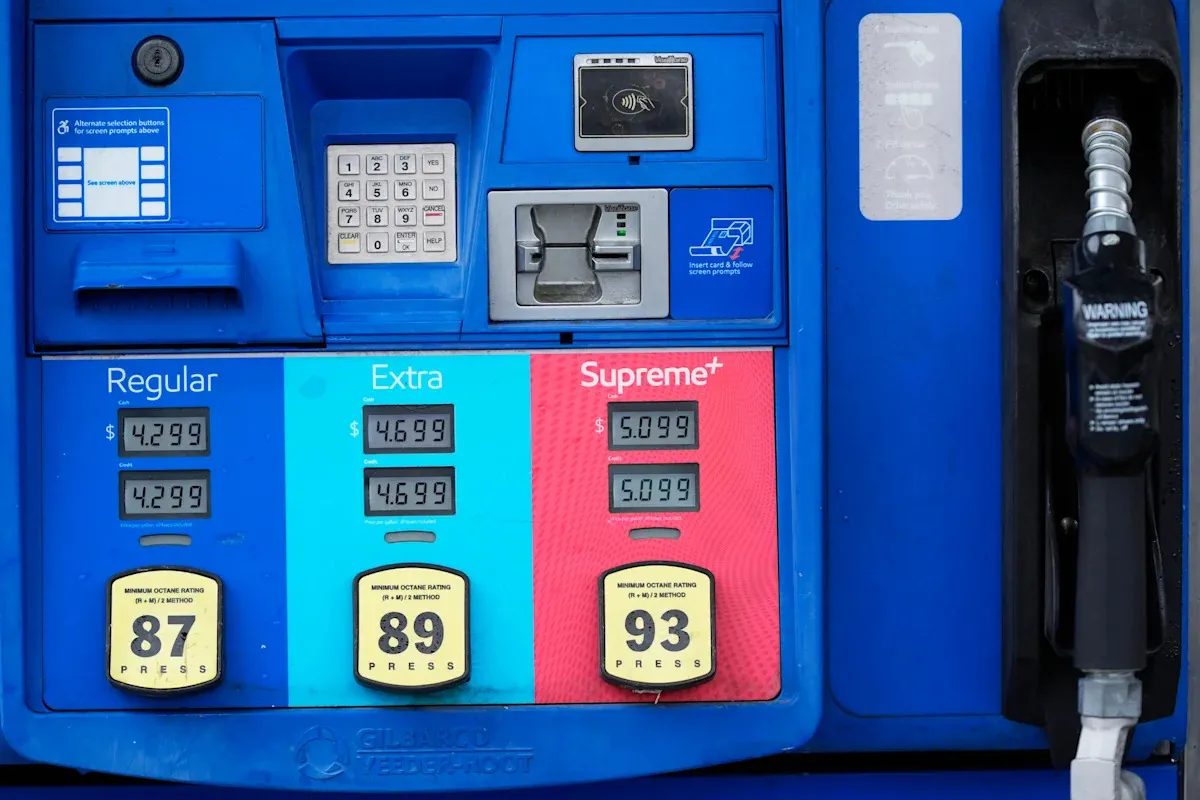
Gas prices have once again surged above $4 per gallon, leaving many American drivers feeling frustrated and anxious about their budgets. After a brief respite due to geopolitical developments, including a ceasefire between the U.S. and Iran, renewed conflicts have reignited fears of rising energy costs. With the national average for gasoline hovering over $4 and diesel prices exceeding $5, understanding the underlying causes of these price fluctuations is essential for consumers. This article delves into the multifaceted factors driving gas prices upward, explores seasonal price trends, and offers actionable advice for managing fuel costs in today’s volatile market.
Factors Influencing Gas Prices
Several key factors contribute to the current gas price landscape, with geopolitical tensions and crude oil prices at the forefront. As noted by Patrick De Haan, head of petroleum analysis at GasBuddy, the ongoing conflict between Ukraine and Russia has also played a significant role in disrupting oil supply chains. These disruptions have made crude oil prices more volatile, with current benchmarks like West Texas Intermediate (WTI) trading above $80 per barrel and Brent crude nearing $88. However, the story doesn't end there.
Geopolitical Tensions
The complexities of international relations significantly impact fuel prices. The ongoing instability in the Middle East, particularly involving Iran, adds an additional layer of uncertainty. Market analysts warn that if tensions escalate, we could see oil prices rise even further, potentially pushing the national average for gas above $4.50 per gallon and possibly closer to $5 in extreme scenarios. The ripple effects of these conflicts extend beyond just fuel costs, influencing various sectors of the economy.
Market Dynamics
In addition to geopolitical factors, market dynamics also play a critical role. Elements such as refining costs, distribution disruptions, and retailer price markups can all slow the adjustment of gas prices to declining crude oil costs. As David Doherty from BloombergNEF points out, while crude prices may rise quickly, the decrease in gas prices often takes longer to materialize. Consumers may find themselves paying inflated prices at the pump for weeks after crude prices drop, as refiners navigate uncertain markets.
Seasonal Trends in Gas Prices
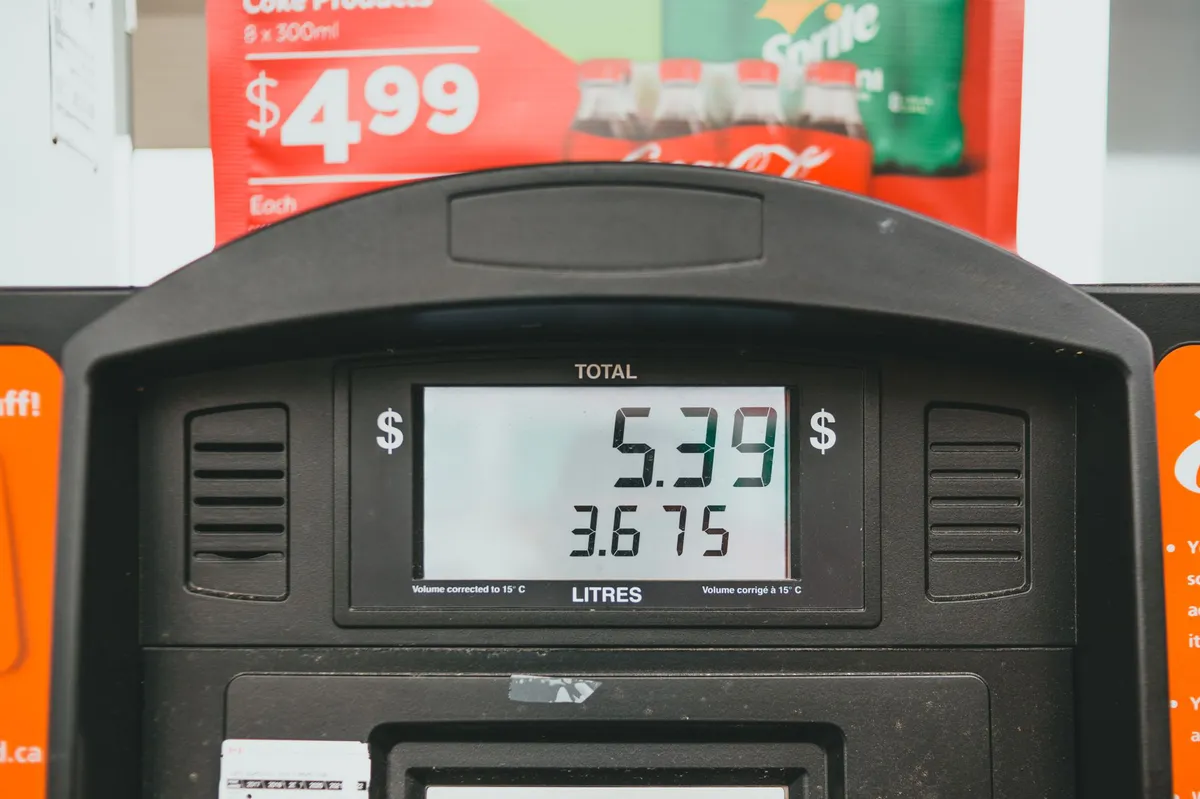
Understanding seasonal trends is essential for predicting gas prices. Typically, gas prices rise in the spring as demand increases with the onset of road trips and outdoor activities. Conversely, prices tend to decline in the fall as travel decreases and consumers return to their regular routines. Cooler weather also leads to a switch to less expensive winter gasoline blends, contributing to lower prices at the pump.
What to Expect This Fall
According to De Haan, as we move into fall, we may see a reduction in gas prices due to decreased demand. The combination of fewer road trips, a return to school routines, and the transition to winter blends could bring some relief to consumers. However, the extent of this decline is uncertain, especially given the current geopolitical climate.
Government Initiatives to Alleviate Costs
In response to rising gas prices, the federal government has taken several steps aimed at easing the financial burden on everyday Americans. These measures include emergency waivers from the Environmental Protection Agency (EPA) to allow the nationwide sale of E15 gasoline, which is blended with 15% ethanol. This shift aims to provide consumers with more fuel options and prevent disruptions in supply.
Strategic Petroleum Reserve Releases
Additionally, the administration has authorized the release of oil from the U.S. Strategic Petroleum Reserve (SPR). This includes a significant release of 172 million barrels of oil, aimed at stabilizing the market amidst global supply disruptions. Despite these measures, it’s crucial to note that U.S. oil inventories are at historically low levels, prompting concerns about long-term supply stability.
Consumer Strategies for Saving on Fuel
With gas prices remaining high, consumers must take proactive steps to manage their fuel-related expenses. Here are several effective strategies to consider:
- Join Fuel Rewards Programs: Many gas stations offer loyalty programs that provide discounts or rewards for frequent customers. Joining such programs can lead to significant savings over time.
- Comparison Shop: Rather than filling up at the nearest station, take a moment to compare prices at different locations. Apps and websites can help you find the cheapest gas in your area.
- Utilize Gas Reward Credit Cards: Consider applying for a credit card that offers cash back or points for gas purchases. This can help offset the impact of high prices on your overall budget.
Key Takeaways
- Gas prices are influenced by geopolitical tensions, market dynamics, and seasonal trends.
- Current prices are above $4 per gallon, with potential increases if conflicts escalate.
- Government measures, including SPR oil releases and EPA waivers, aim to stabilize prices.
- Consumers can save money by joining rewards programs, comparing prices, and utilizing gas reward credit cards.
Frequently Asked Questions
What causes gas prices to fluctuate so frequently?
Gas prices are impacted by a variety of factors, including crude oil prices, geopolitical tensions, refining costs, and seasonal demand. When crude oil prices rise due to conflicts or supply chain disruptions, gas prices at the pump typically follow suit. Conversely, when crude prices decline, it can take time for those savings to reach consumers because of the various costs associated with refining and distribution.
How can I find the cheapest gas prices in my area?
Several apps and websites are designed to help consumers find the best gas prices in their area. Popular options include GasBuddy and Waze, which allow users to compare prices at different stations and even report price changes. Utilizing these tools can help you save money by ensuring you don't overpay at the pump.
Are there any government programs to help with high gas prices?
The federal government has implemented several initiatives to address rising gas prices, including the release of oil from the Strategic Petroleum Reserve and environmental waivers for E15 gasoline. Additionally, some states have enacted temporary fuel tax holidays to help reduce costs for residents. These measures aim to provide immediate relief to consumers facing high gas prices.
What are fuel rewards programs, and how do they work?
Fuel rewards programs are loyalty initiatives offered by gas stations and retailers that allow customers to earn discounts or points for every gallon of gas purchased. These programs can vary by provider, but they typically reward frequent customers with savings that can be redeemed at the pump. Joining such programs can result in significant savings over time, especially for those who drive frequently.
Comments
Dollar Strengthens Amid US-Iran Tensions as UK Welcomes New Leadership
As the US-Iran conflict escalates, the dollar sees gains while the British pound reacts to Prime Minister Andy Burnham's new agenda. Explore the implications for global markets.

Related articles
Popular in Banking
- AI Revolution: HDFC Bank's Workforce Reduction and Future of Banking
- JPMorgan Chase Reports Record Profits: What It Means for Banking and Consumers
- UniCredit's Bold Play for Commerzbank: Merging Two European Giants
- Are 7% Interest Savings Accounts a Thing of the Past?
- Impact of New Lending Guidelines on Immigrants in the U.S.