Dollar Strengthens Amid US-Iran Tensions as UK Welcomes New Leadership
As the US-Iran conflict escalates, the dollar sees gains while the British pound reacts to Prime Minister Andy Burnham's new agenda. Explore the implications for global markets.
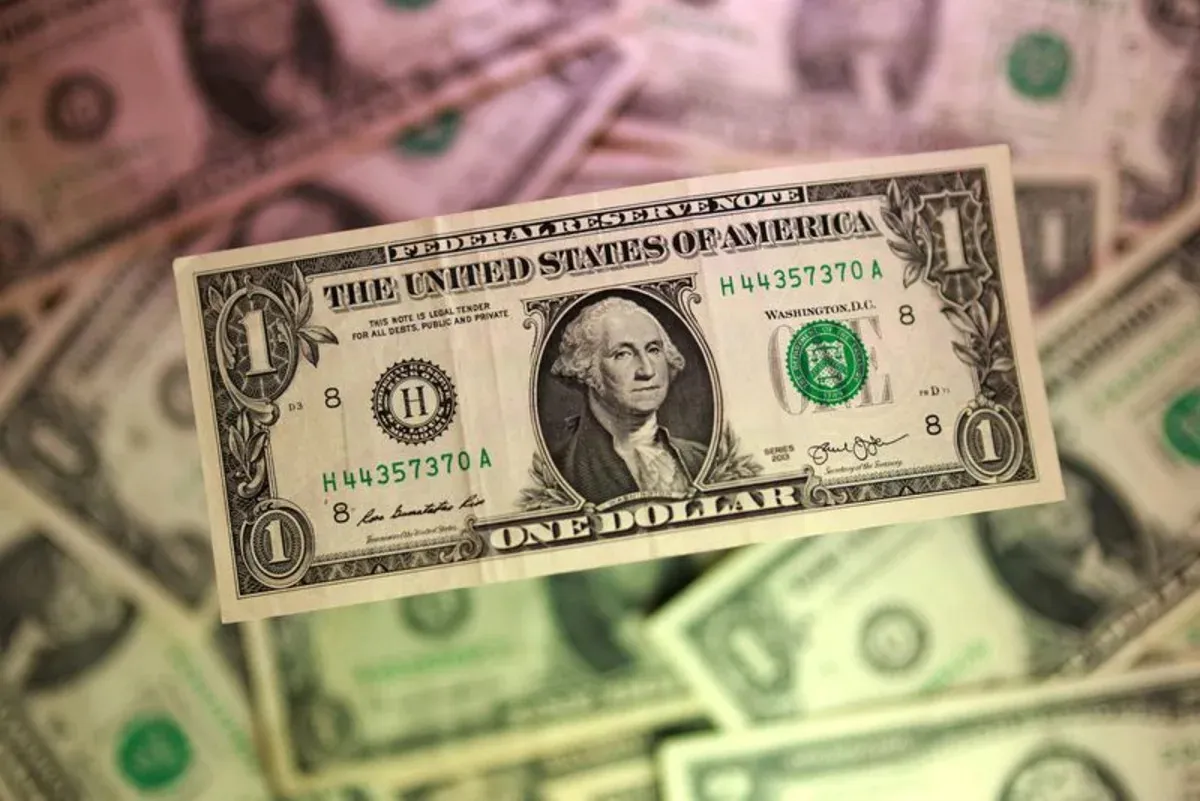
The U.S. dollar has gained strength in the face of rising tensions in the Middle East, particularly concerning the ongoing conflict between the United States and Iran. This geopolitical crisis has prompted investors to reassess their strategies, leading to fluctuations in currency values. Meanwhile, the British pound has experienced a downturn as the UK welcomes its new Prime Minister, Andy Burnham, marking a significant shift in the nation's political landscape. In this article, we delve into the factors influencing these currency movements and their broader implications for investors and the economy.
Geopolitical Tensions and Currency Movements
The dollar index, which measures the greenback against a basket of major currencies, climbed by 0.18%, reaching 100.92. This rise is predominantly attributed to the ongoing tensions surrounding the U.S.-Iran conflict. Recent announcements from Yemen's Iran-aligned Houthis regarding a naval blockade on Saudi Arabia have heightened fears of escalating military actions in the region, which could further disrupt global oil supplies and trade.
Market Reactions to Conflicting News
Despite the alarming news from Yemen, the crude oil markets exhibited volatility. U.S. crude prices increased by 0.22%, reaching $82.67 per barrel, while Brent crude rose by 0.77% to $88.78 per barrel. These fluctuations highlight the market's response to conflicting reports, as both the U.S. and Iran have expressed a desire to resume diplomatic talks. As Marc Chandler, chief market strategist at Bannockburn Capital Markets, noted, the market is navigating through mixed signals about the potential for ceasefire negotiations.
Domestic Economic Indicators and Federal Reserve Policies
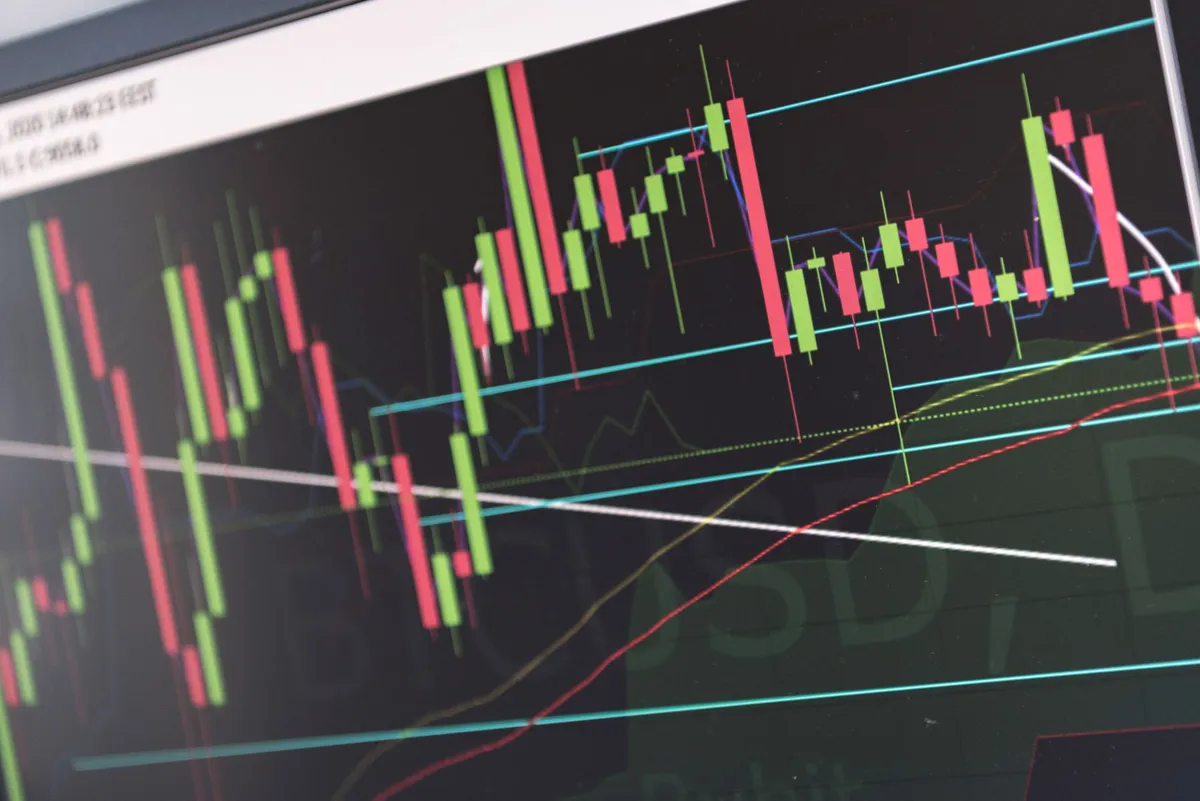
As the geopolitical landscape evolves, U.S. economic indicators are also influencing market expectations. The Federal Reserve is currently in a blackout period, with officials refraining from public comments ahead of an impending policy meeting. Recent inflation and labor market reports have led to a drastic reduction in the likelihood of an immediate rate hike, with the chance now at only 16.6%, down from over 40% a week prior.
Future Rate Hike Expectations
Looking towards September, market expectations for a rate increase have risen to 62.8%. The Federal Reserve's approach is closely monitored by investors, particularly in light of concerns voiced by officials regarding inflation pressures. This cautious stance contrasts with the European Central Bank (ECB), which is perceived as more aggressive in potential rate hikes due to its focus on price stability and the significant impact of energy prices on the region's economy.
The Impact of New UK Leadership on the Pound
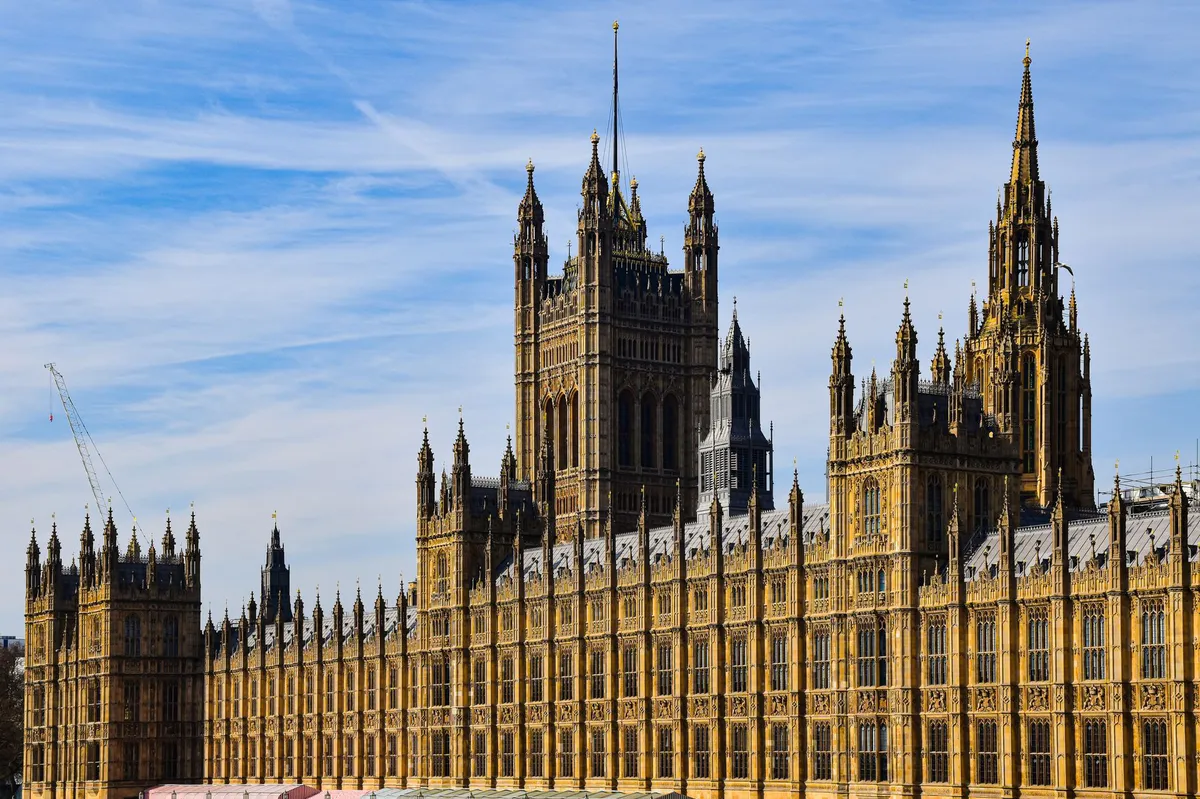
Across the Atlantic, the British pound has weakened by 0.12% to $1.3437, following the appointment of Andy Burnham as the new Prime Minister, taking over from Keir Starmer. Burnham's leadership is seen as a pivotal moment for the UK, with his pledge to reshape political dynamics and introduce a new economic model. This has created a cautious atmosphere among investors, who are weighing the potential for economic reform against fiscal responsibility.
Investor Sentiment and the Future of the Pound
Burnham's recent cabinet appointments, including John Healey as finance minister, have underscored a shift toward centrist economic policies, which have been met with cautious optimism from the market. Analysts suggest that investors are hopeful for a government that can stimulate economic growth without overextending public finances. According to Lale Akoner, a global market strategist at eToro, the markets are responding positively to the idea of a proactive government, albeit with reservations.
International Trade Dynamics and Currency Fluctuations
In addition to domestic factors, international trade dynamics are also influencing currency fluctuations. As the U.S. dollar strengthened against several currencies, including the Chinese yuan, it fell by 0.14% to 6.769 in offshore trade. China's decision to maintain its benchmark lending rates for the 14th consecutive month has contributed to this stability, aligning with market expectations and emphasizing the importance of economic policy in shaping currency values.
Comparative Analysis of Currency Strengths
Against the Japanese yen, the dollar edged up 0.03% to 162.46, albeit in thin trading conditions due to Japan's Marine Day holiday. This scenario illustrates the complexities of currency valuation in a globalized economy, where geopolitical events, domestic policies, and international market expectations intertwine to shape investor sentiment.
Key Takeaways
- The U.S. dollar has strengthened amidst rising tensions in the US-Iran conflict, reflecting investor caution and strategic repositioning.
- British pound weakened following the appointment of Andy Burnham, as markets react to potential changes in economic policy.
- Expectations for Federal Reserve rate hikes have significantly dropped for the immediate future, impacting investment strategies.
- The European Central Bank is viewed as more aggressive in its approach to rate hikes compared to the Fed, influencing currency strength in the Eurozone.
- Global oil prices remain volatile, largely influenced by geopolitical developments and diplomatic efforts.
Frequently Asked Questions
What factors contribute to currency fluctuations?
Currency fluctuations are influenced by a variety of factors including geopolitical events, economic indicators like inflation and employment rates, and central bank policies. For instance, when tensions rise in a region that is critical to global oil supply, currencies can react sharply as investors reassess risk levels and the potential for economic fallout. Additionally, changes in interest rate expectations set by central banks can lead to significant shifts in currency values.
How do geopolitical events affect the dollar?
The dollar often serves as a safe haven during geopolitical unrest. When conflicts arise, such as the tensions between the U.S. and Iran, investors tend to flock to the dollar, driving up its value. This behavior is rooted in the perception of the U.S. as a stable and secure investment environment. Conversely, if diplomatic resolutions appear likely, the dollar may weaken as risk appetite increases among investors.
What is the significance of the Federal Reserve's decisions on the economy?
The Federal Reserve's decisions regarding interest rates directly impact economic growth, inflation, and employment levels in the U.S. A rate hike typically signals confidence in the economy, but it can also lead to higher borrowing costs for consumers and businesses. Conversely, keeping rates low can stimulate spending and investment but may raise concerns about inflation if prolonged. Therefore, the Fed's monetary policy is closely watched by both domestic and international markets.
How does UK political leadership impact economic policy?
The political leadership in the UK plays a crucial role in shaping economic policy, which can directly affect investor confidence and currency strength. New leadership often brings changes in fiscal strategy, regulatory frameworks, and public spending priorities. For example, Andy Burnham’s shift towards a more active government approach could enhance growth prospects, but it also raises questions about fiscal sustainability. Investors will monitor how these changes unfold to gauge their impact on the economy and the pound.
Comments
Understanding Rising Gas Prices: Causes and Solutions for Consumers
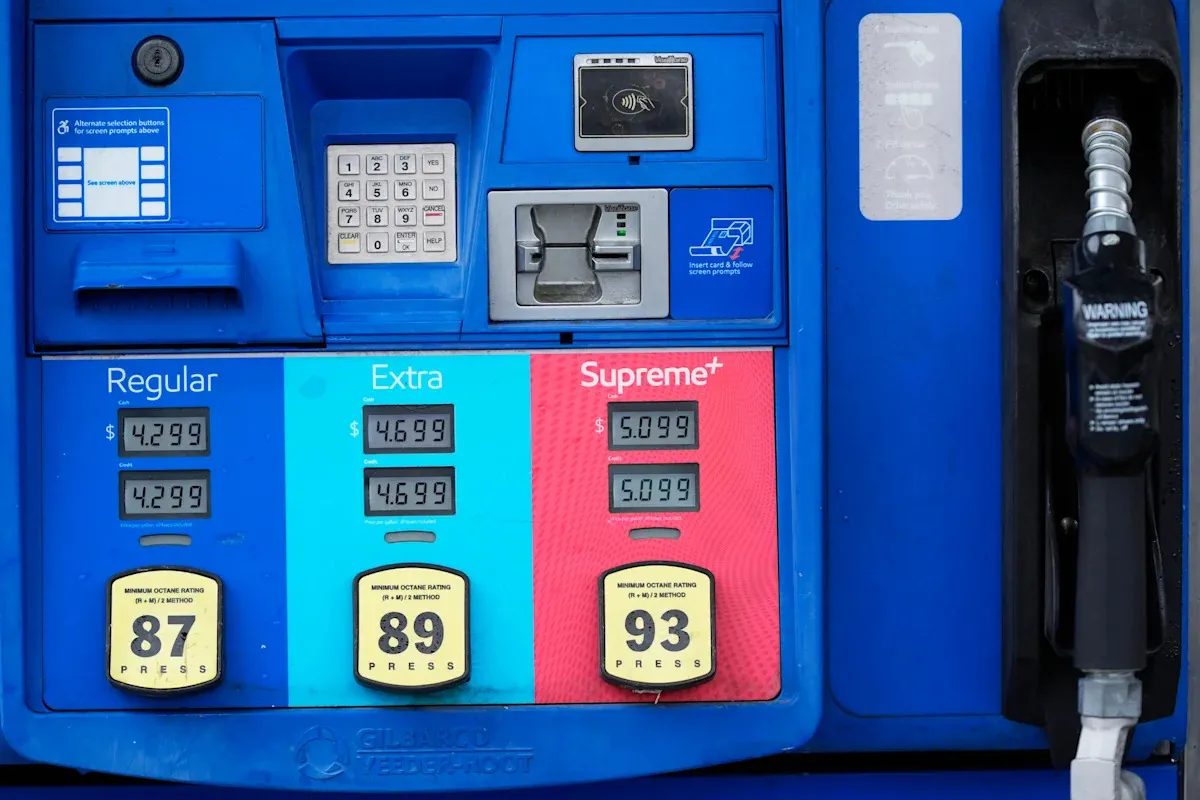
As gas prices surpass $4 per gallon, many Americans are feeling the pinch. This article explores the factors driving these increases, the seasonal trends affecting prices, and practical steps consumers can take to save at the pump.
Related articles
Popular in Banking
- AI Revolution: HDFC Bank's Workforce Reduction and Future of Banking
- JPMorgan Chase Reports Record Profits: What It Means for Banking and Consumers
- UniCredit's Bold Play for Commerzbank: Merging Two European Giants
- Are 7% Interest Savings Accounts a Thing of the Past?
- Impact of New Lending Guidelines on Immigrants in the U.S.