Understanding Bank Account Closures: Reasons, Repercussions, and Remedies
Bank accounts can be closed by financial institutions for a variety of reasons, often without prior notice. This article explores the common causes of account closures, steps to take if it happens, and how to protect yourself from future closures.
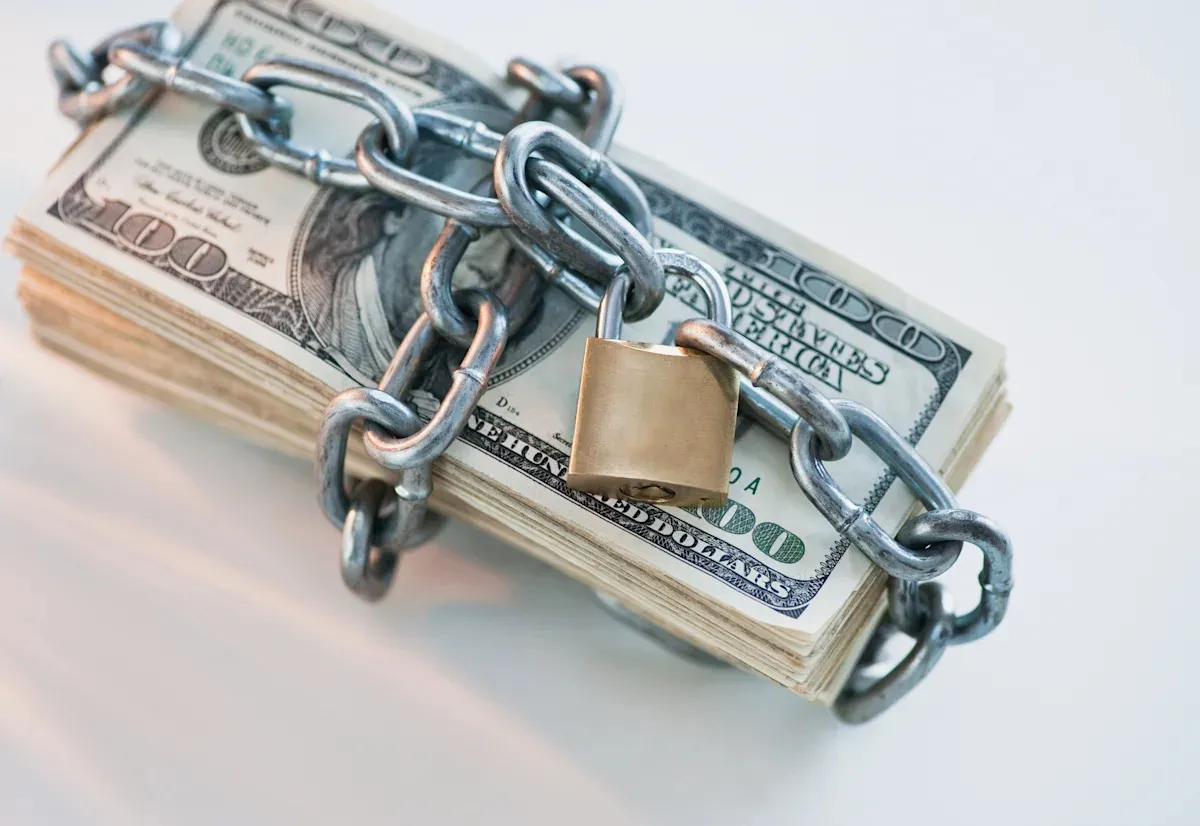
Imagine waking up one morning to find that your bank account has been closed without warning. The panic sets in as you realize the automatic payments linked to your account may fail, and your hard-earned money is suddenly inaccessible. While it might feel like a nightmare, bank account closures are more common than you may think. Understanding the reasons behind these closures and knowing what steps to take can save you time, stress, and potentially even money.
In this comprehensive guide, we will explore the various reasons why banks can close accounts, the procedures to follow if it happens to you, and the proactive measures you can take to prevent it from occurring in the first place.

Why Banks Can Close Your Account
The short answer is that banks hold the legal right to close accounts for nearly any reason and often without prior notice. This authority stems from both the terms and conditions you agree to when opening the account and from banking regulations. Here are some common reasons:
Inactivity
If your bank account shows no activity for an extended period—typically ranging from three to five years—the bank may consider it abandoned. This lack of activity can trigger the closure process, as banks are obligated to report unclaimed property to state authorities.
Bounced Checks and Overdrafts
Frequent overdrafts or bounced checks can also lead to account closure. Banks incur costs when they process these transactions, especially if they are habitual. If your account is consistently overdrawn or you have multiple bounced checks, the bank may decide that closing your account is the best course of action.
Suspicious Activity
In the age of digital banking, fraud prevention is a priority for financial institutions. If your account shows irregular activity—such as large or unusual transactions—the bank may close your account to mitigate potential fraud or money laundering risks.
Violating Bank Policies
Each bank has its own set of policies that account holders must adhere to. Violating these terms, whether intentionally or unintentionally, can result in account closure. Examples include failing to maintain a minimum balance or improperly using your account.

What Happens if Your Account is Closed?
If you find yourself in the unfortunate situation of having your account closed, several steps can help you navigate this challenging experience.
Receiving Notice of Closure
Though not legally required, many banks provide a written notice regarding the account closure. This communication typically includes the reason for the closure and the effective date. If you have funds remaining in your account, the bank will usually issue a check or transfer the balance to an alternative account you designate.
Updating Automatic Payments
One critical aspect to remember is that any automatic transactions linked to the closed account will be declined. This might include utility bills, loan payments, or subscription services. To prevent missed payments, you should promptly update your payment information with the new account details.
Contacting the Bank
If you did not receive a notice or feel that your account was wrongfully closed, contacting the bank directly is essential. Ask for detailed information regarding the closure. If you remain unsatisfied with the response, you may file a complaint with the Office of the Comptroller of the Currency (OCC) or your local consumer protection agency.

Steps to Prevent Your Account from Being Closed
While it may feel daunting, there are proactive measures you can take to avoid account closure:
- Maintain Activity: Regular deposits, withdrawals, or transfers keep your account active. Setting up automatic bill payments is a simple way to ensure consistent activity.
- Avoid Overdrafts: Even if you have overdraft protection, consistently overdrawn accounts can lead to closure. Keep a close eye on your balance and avoid withdrawing more than you have.
- Monitor for Fraud: Regularly review your bank statements for unauthorized transactions. Report any suspicious activity immediately to safeguard your account.
- Understand Account Requirements: Familiarize yourself with the specific terms associated with your bank account, such as minimum balance requirements and fees.
Key Takeaways
- Banks can close accounts for various reasons, often without notice.
- Common causes include inactivity, overdrafts, and suspicious transactions.
- If your account is closed, check for a notification and contact the bank if needed.
- Regular activity and adherence to bank policies can help prevent account closures.
- Know your rights and where to file complaints if you believe your account was wrongfully closed.
Frequently Asked Questions
Can my bank close my account without my permission?
Yes, banks are legally allowed to close your account for virtually any reason, and they do not need your permission to do so. However, you can take steps to avoid closures by maintaining regular account activity and adhering to the bank's policies.
What should I do if my account is closed with money in it?
In most cases, if your bank closes your account, any remaining balance will be returned to you through a check or transfer. If you have questions about your funds, contact the bank immediately for clarification. If you encounter difficulties, you may want to file a complaint with the Office of the Comptroller of the Currency (OCC).
Can I reopen a closed bank account?
Reopening a closed account can be challenging and is not guaranteed. If you contact your bank and explain your situation, they may allow you to reopen the account, particularly if the closure was due to a one-time issue. However, if there were repeated problems, they may suggest opening a new account instead.
Does closing a bank account affect my credit score?
While closing a bank account does not directly impact your credit score, it can have indirect effects if it leads to missed payments or overdrafts on other accounts due to the closure. Maintaining a good banking history is essential for your overall financial health.
Disclaimer: The content is educational, not financial advice.
Comments
How Much Cash Should You Really Carry? A Comprehensive Guide
As cash transactions decline, understanding the right amount of cash to carry is essential. This article explores the pros and cons of carrying cash, how much you should keep on hand, and alternatives to consider.

Related articles
Popular in Banking
- AI Revolution: HDFC Bank's Workforce Reduction and Future of Banking
- JPMorgan Chase Reports Record Profits: What It Means for Banking and Consumers
- UniCredit's Bold Play for Commerzbank: Merging Two European Giants
- Are 7% Interest Savings Accounts a Thing of the Past?
- Impact of New Lending Guidelines on Immigrants in the U.S.