How Much Cash Should You Really Carry? A Comprehensive Guide
As cash transactions decline, understanding the right amount of cash to carry is essential. This article explores the pros and cons of carrying cash, how much you should keep on hand, and alternatives to consider.

In an age where digital payments dominate, you might find yourself asking: how much cash should I carry? The answer is often less than you think. Recent research reveals that nearly half of American adults make no cash purchases in a typical week, and cashless transactions account for a staggering 87.4% of all transactions in the U.S. Yet, despite the rise of credit cards and digital wallets, cash remains a relevant part of personal finance. Understanding how much cash to keep on hand can empower you to navigate both everyday purchases and emergencies alike.
Determining the right amount of cash to carry is not a one-size-fits-all scenario. It involves assessing your spending habits, the nature of your transactions, and your unique financial situation. So, how do you strike a balance between being prepared and not overloading your wallet with cash? Let’s delve into the ins and outs of carrying cash, its advantages and disadvantages, and how to make an informed decision.
The Decline of Cash Transactions
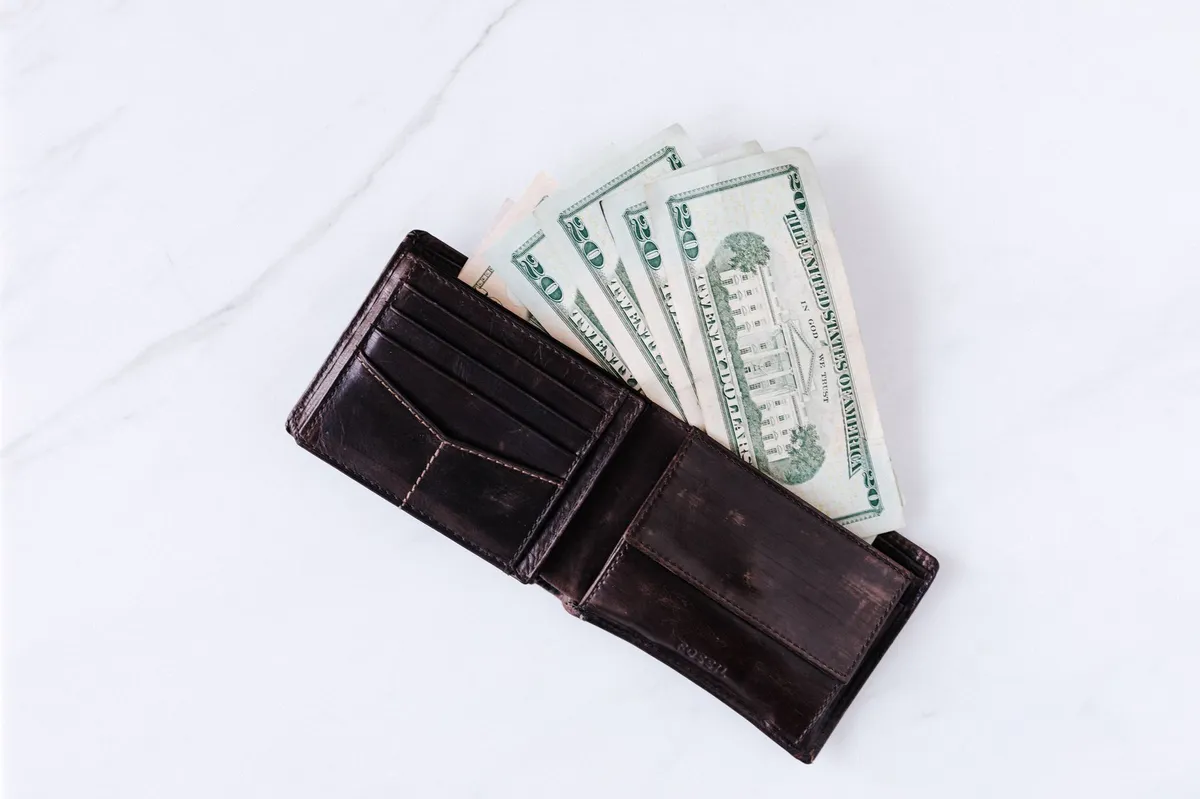
The shift towards cashless payments has been monumental in recent years. The COVID-19 pandemic accelerated this trend as many consumers opted for contactless payments to avoid physical contact. As a result, many businesses adapted their payment systems to accommodate digital transactions, further reducing the reliance on cash. Yet, cash is not entirely obsolete; there are still scenarios where physical currency proves beneficial.
Why Cash Still Matters
Even in a cashless society, there are compelling reasons to carry a small amount of cash:
- Merchant Preferences: Some small businesses prefer cash to avoid credit card processing fees and may even offer discounts for cash transactions.
- Emergencies: In the event of a power outage or system failure, cash can be your lifeline for purchases.
- Privacy: Cash transactions do not leave a digital footprint, which may appeal to those who value privacy.
How Much Cash Should You Carry?
While opinions vary, many financial experts recommend carrying between $20 to $100 in cash. The right amount ultimately depends on your lifestyle, spending habits, and the environments you frequent. Here are some considerations to help you decide:
Daily Expenses
If you often find yourself in situations where cash is necessary—like tipping at restaurants or purchasing from local markets—aim to keep around $50 to $100 on hand. This amount allows for flexibility without risking loss or theft.
Travel Considerations
When traveling, your cash needs might differ based on the destination. Some places may have limited access to ATMs or may not accept credit cards at all. In such cases, carrying more cash may be prudent to cover meals, transportation, and other expenses.

Pros and Cons of Carrying Cash
Before deciding how much cash to carry, it’s crucial to weigh both the benefits and drawbacks. Here’s a closer look:
Advantages
- Reliability: Cash provides a reliable payment method, especially if electronic systems fail.
- No Fees: Using cash can help you avoid ATM fees and credit card processing fees at certain retailers.
- Security: In some situations, using cash can be safer than swiping your card, especially in unfamiliar or potentially unsafe areas.
Drawbacks
- No Fraud Protection: Cash can be stolen, and there’s little recourse to recover it compared to credit and debit cards, which often come with fraud protection.
- Tracking Challenges: Cash transactions can complicate budgeting and tracking expenses, especially if you use digital tools.
- Opportunity Cost: Cash that sits unused does not earn interest, making it less effective as a wealth-building tool.
Alternatives to Carrying Cash
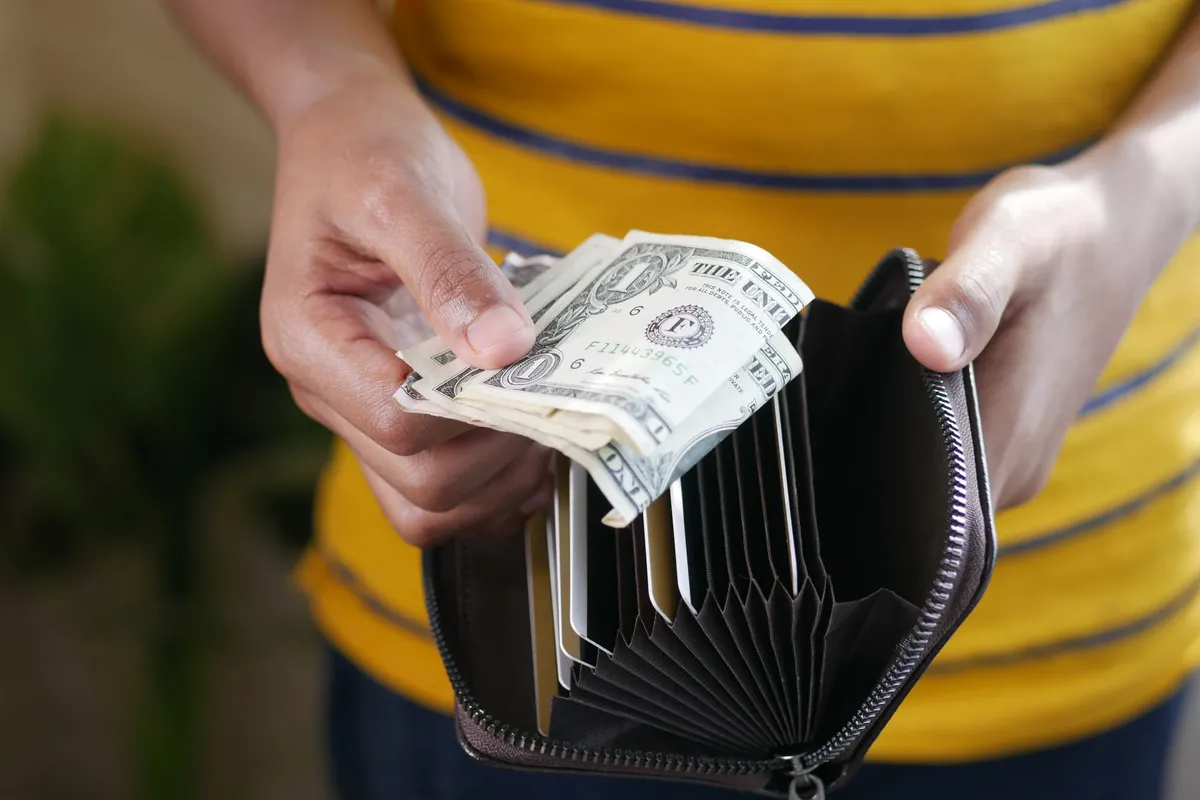
Given the various downsides of carrying cash, many individuals opt for alternatives that still allow for liquidity while also generating interest. Here are a few options:
Bank Accounts
Keeping your cash in a checking account or a high-yield savings account (HYSA) allows you to earn interest while maintaining easy access to your funds. High-yield savings accounts typically offer higher interest rates than traditional savings accounts, making them an excellent option for your emergency fund.
Digital Wallets
Digital wallets like Apple Pay, Google Pay, and PayPal allow you to make purchases without physical cash while also providing a layer of tracking and security. These platforms often have built-in budgeting tools that can help you manage your spending more effectively.
Investments
For those who have a longer investment horizon, consider allocating a portion of your cash into low-risk investments. Options like money market funds or short-term bonds can provide liquidity while also offering better returns than cash sitting idle.
Key Takeaways
- Most Americans carry between $20 and $100 in cash, depending on their spending habits.
- While cash has its benefits, such as reliability and no transaction fees, it also poses risks like theft and lack of interest accumulation.
- Consider alternatives like bank accounts and digital wallets to keep your money safe and growing.
- When traveling, assess the cash requirements of your destination to ensure you're prepared.
Frequently Asked Questions
1. How much cash should I carry for emergencies?
It's generally advisable to keep at least $50 to $100 on hand for emergencies. This amount can cover small unexpected expenses, such as a cab fare or a quick snack, especially in situations where electronic payments are not accepted.
2. What should I do if I lose my cash?
Unfortunately, there is little recourse for lost cash, as it is not insured like money in a bank account. If you lose a significant amount of cash, it’s best to report the loss to local authorities, although recovery is unlikely. To mitigate loss, consider using a digital wallet or keeping only a small amount of cash on hand.
3. Are there places that only accept cash?
Yes, some small businesses, food trucks, and local markets may only accept cash due to the fees associated with card transactions. It’s a good idea to have cash available when visiting such venues to avoid missing out on purchases.
4. How can I effectively track my cash spending?
Tracking cash spending can be challenging, but it’s possible. Consider keeping a small notebook to jot down your cash transactions, or use budgeting apps that allow you to input cash purchases manually. This practice can help you maintain awareness of your overall spending habits.
Disclaimer: This content is educational, not financial advice.
Comments
Understanding Bank Account Closures: Reasons, Repercussions, and Remedies
Bank accounts can be closed by financial institutions for a variety of reasons, often without prior notice. This article explores the common causes of account closures, steps to take if it happens, and how to protect yourself from future closures.
Related articles
Popular in Banking
- AI Revolution: HDFC Bank's Workforce Reduction and Future of Banking
- JPMorgan Chase Reports Record Profits: What It Means for Banking and Consumers
- UniCredit's Bold Play for Commerzbank: Merging Two European Giants
- Are 7% Interest Savings Accounts a Thing of the Past?
- Impact of New Lending Guidelines on Immigrants in the U.S.