Nvidia Sparks Renewed Interest in Memory Chip Stocks Amid AI Boom
Nvidia's recent earnings call has reignited interest in memory chip stocks, buoyed by rising demand driven by AI infrastructure. Companies like SK Hynix and Micron are poised to benefit from ongoing supply constraints.

The landscape of the semiconductor market is shifting dramatically, and Nvidia is at the heart of this transformation. Following a recent earnings call, the tech giant's Chief Financial Officer, Colette Kress, shed light on a tightening memory chip market fueled by unprecedented demand for high-bandwidth memory (HBM) and dynamic random-access memory (DRAM) used in artificial intelligence (AI) applications. This surge in demand is not just a fleeting trend; it's a critical pivot point for the industry, with significant implications for investors and the broader tech ecosystem.
Nvidia's insights reveal a reality where memory chip prices are skyrocketing, driven by a supply-demand imbalance that has left companies scrambling to secure necessary capacity. With major players like SK Hynix, Samsung Electronics, and Micron reporting sold-out premium AI memory capacities, the prospects for the memory chip market are looking increasingly bullish. This renewed vigor in the sector could signal a turnaround for many previously hot trades that had cooled off in recent months.
The Memory Chip Market: A Brief Overview
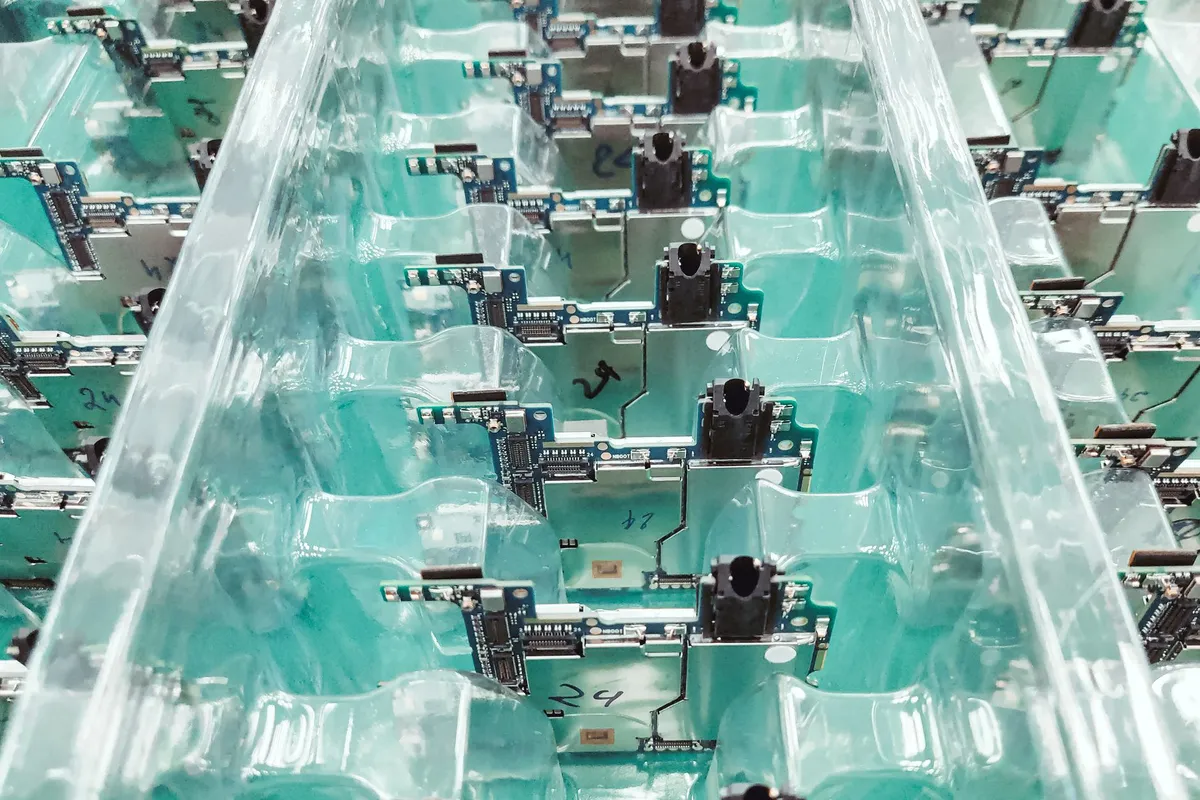
To understand the current dynamics in the memory chip market, it is essential to grasp the fundamentals of how these components play a role in technology. Memory chips, particularly DRAM and HBM, are critical for various applications, especially in cloud computing, gaming, and AI. As companies like Nvidia, Microsoft, Amazon, and Meta ramp up their AI infrastructure, the demand for high-performance memory solutions has intensified.
Market Dynamics Driving Demand
Several factors are contributing to the burgeoning demand for memory chips:
- AI Revolution: As AI continues to permeate various sectors, the need for advanced memory solutions that can handle large datasets and high-speed processing is paramount.
- Supply Constraints: The memory market has faced challenges, including manufacturing delays and the geopolitical landscape affecting supply chains. These constraints have limited the availability of chips just as demand has surged.
- Price Increases: With demand outpacing supply, memory prices have risen sharply, providing suppliers with significant pricing power after years of subdued market conditions.
The combination of these elements creates a favorable backdrop for memory chip manufacturers, suggesting that the upward trajectory in pricing and demand is likely to continue.
The Role of Major Players
Companies like SK Hynix, Samsung, and Micron are pivotal in shaping the current memory chip landscape. As noted by JPMorgan strategist Jay Kwon, the total addressable market for memory is expanding due to both volume and pricing increases. Notably, the demand for memory has broadened beyond graphics processing units (GPUs) to include central processing units (CPUs), indicating that the market's potential is underestimated by many investors.
Investor Sentiment and Stock Performance
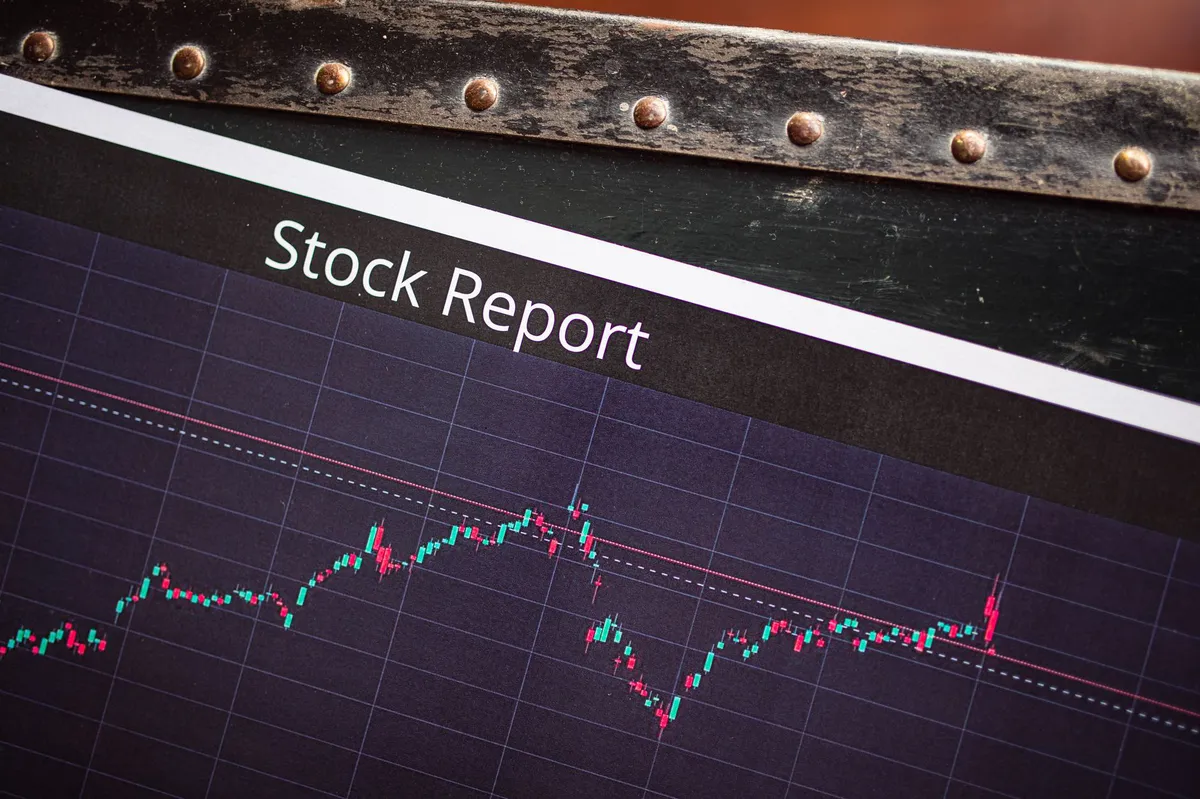
The stock performance of memory chip manufacturers has been volatile in recent months, reflecting broader market anxieties regarding tech spending. In late June, stocks like Sandisk and Micron reached record highs, only to experience significant pullbacks as fears grew about Big Tech's potential overspending on AI initiatives. However, following Nvidia's optimistic earnings report, there are signs that investor sentiment is stabilizing. Kwon points out that the bottom may have been set for memory stocks, providing a foundation for future growth.
Future Outlook for the Memory Chip Sector
As we look ahead, the outlook for the memory chip sector remains cautiously optimistic. The continued constraints in supply are expected to persist into 2027, creating an environment ripe for growth and profitability among leading suppliers.
What Investors Should Consider
Investors interested in the semiconductor sector should pay close attention to the following:
- Market Conditions: Keep an eye on supply chain developments and pricing trends, as these will significantly impact profitability.
- Company Fundamentals: Analyzing the financial health and strategic direction of key players like SK Hynix, Micron, and Samsung will provide insights into potential investment opportunities.
- Technological Advances: Understanding how advancements in AI and computing will shape demand for memory chips is crucial for making informed investment decisions.
In summary, while uncertainty looms over the tech sector, the memory chip market appears poised for a rebound, particularly as Nvidia's bullish stance signals renewed confidence among investors. The interplay between rising demand and constrained supply suggests that this sector could once again become a focal point for savvy investors.

Key Takeaways
- Nvidia's recent earnings call highlighted a tightening memory chip market fueled by AI demand.
- Major suppliers like SK Hynix and Micron are experiencing increased pricing power due to supply constraints.
- Investor sentiment may be stabilizing, with the potential for growth in memory stock prices.
- Understanding market dynamics and company fundamentals is essential for investment success in this sector.
Frequently Asked Questions
What is driving the current demand for memory chips?
The current demand for memory chips is primarily driven by the AI boom, necessitating high-performance chips for processing vast amounts of data. Additionally, supply constraints due to manufacturing delays and geopolitical tensions have added to the urgency for these critical components.
How are memory chip prices affected by supply and demand?
Memory chip prices are influenced by the balance between supply and demand. When demand exceeds supply, as seen recently, prices tend to rise sharply. Conversely, if supply outstrips demand, prices may decrease. This dynamic is crucial for investors to monitor, as it directly impacts the profitability of memory chip manufacturers.
Which companies are key players in the memory chip market?
Key players in the memory chip market include SK Hynix, Samsung Electronics, and Micron Technology. These companies are critical suppliers of DRAM and HBM, and their performance is closely tied to the overall trends in demand for memory chips.
What should investors keep in mind regarding the memory chip sector?
Investors should closely monitor market conditions, company fundamentals, and technological advances in the memory chip sector. Understanding these elements will help in making informed investment decisions and identifying potential opportunities for growth.
This content is educational and not financial advice.
Comments
Assessing Alphabet's Ambitious Growth Targets Amid Cloud Boom
Alphabet Inc. is facing a pivotal moment as it sets a bold $515 price target, driven by remarkable growth in Google Cloud. This article explores the factors fueling this ambition and the challenges ahead.

Related articles






Popular in Investing
- Navigating the Dismal Landscape of 2026's Worst-Performing ETFs
- Stablecoin Market Faces $10 Billion Decline — What It Means for Investors
- Cotton Futures Surge Despite Increased Production Forecasts
- Avantus Secures $525 Million for Major California Solar Project
- Navigating the Pet Stocks Market: Opportunities Amidst Challenges