Stock Market Reacts to Fed Chair Warsh's Rate Hike Signals
The stock market showed signs of volatility as Federal Reserve Chair Kevin Warsh hinted at potential interest rate hikes. Investors are adjusting their strategies ahead of the Fed's upcoming meetings.

As global markets navigate the complexities of economic recovery, recent comments from Federal Reserve Chair Kevin Warsh at the Jackson Hole Economic Symposium have sent ripples through Wall Street. Investors had initially responded positively to Warsh's remarks, which underscored a commitment to price stability. However, as the day wore on, the excitement faded, leading to a downturn in the major stock indexes. This shift highlights the delicate balance between inflation control and economic growth, a theme that is becoming increasingly relevant as we approach the next Federal Open Market Committee (FOMC) meeting.
The Federal Reserve's stance on interest rates is pivotal for investors, as it affects borrowing costs, consumer spending, and overall market sentiment. With Warsh signaling a possible rate hike if inflation does not align with the Fed's 2% target, markets are recalibrating their expectations. The implications of these changes are profound, affecting everything from stock prices to mortgage interest rates, making it crucial for investors to stay informed and adjust their strategies accordingly.
Market Reaction: A Roller Coaster Ride
The stock market's initial response to Warsh's speech was positive, with all three major indexes showing gains. However, as trading progressed, the momentum shifted. By the close of the market, the Nasdaq Composite had decreased by 0.5%, settling at 26,402, although it still recorded a weekly gain of 0.8%. The S&P 500 dipped 0.3% to finish at 7,711, while the Dow Jones Industrial Average remained relatively unchanged, down just 0.02% but up by 0.5% for the week, closing at 53,560.
This volatility raises important questions about the future direction of the markets. Are traders and investors pricing in a higher target range for the federal funds rate? With the next FOMC meeting set for September 15-16, the answer remains uncertain, but the increasing probability of a rate hike could be a game changer.

Understanding Interest Rates and Inflation
Interest rates are a critical component of the economic landscape, influencing everything from consumer loans to corporate financing. When the Federal Reserve raises rates, it usually aims to curb inflation, making borrowing more expensive and thus slowing down spending. Warsh's insistence that the Fed must see “underlying inflation moving to our objective, clearly and at sufficient speed” underscores the urgency to act if inflation remains stubbornly high.
The Current Economic Climate
The U.S. economy has shown signs of recovery, but inflation remains a concern. The Consumer Price Index (CPI) has been fluctuating, prompting the Fed to consider its next moves carefully. According to the CME FedWatch Tool, there is now a 57.5% likelihood of a 25-basis-point increase in September, a significant jump from 35.4% just days earlier. This change reflects growing concerns among investors about the sustainability of economic growth in the face of rising prices.
Sector-Specific Impacts: Tech and Beyond
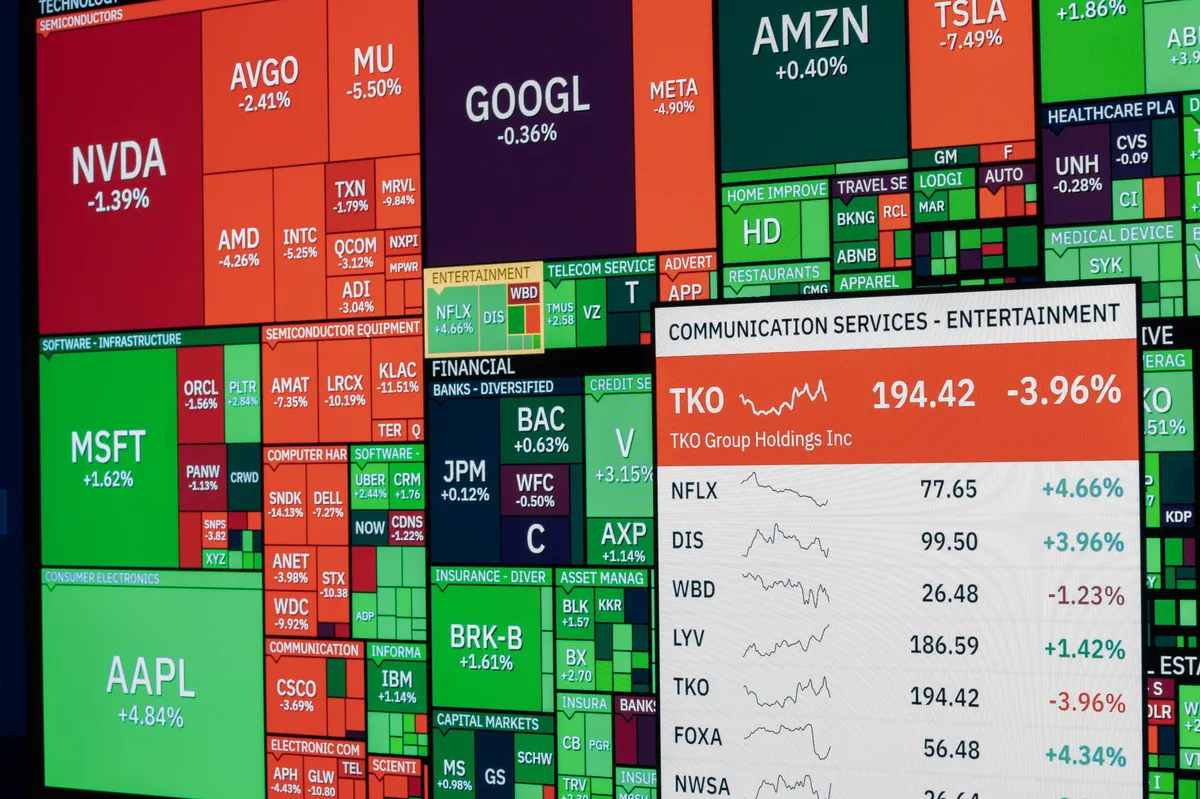
The technology sector has been particularly sensitive to rate hike expectations. Companies like Marvell Technology have experienced notable volatility in their stock prices. Despite reporting strong earnings, Marvell's stock fell by over 10% after its results did not exceed heightened expectations, especially following a significant surge earlier this year due to Nvidia's investment.
- Marvell Technology: Experienced a 10.3% drop despite beating revenue expectations.
- Nvidia: Saw a 4.6% decline following its largest intraday gain in over a year.
- PayPal Holdings: Fell 12.7% after news that Advent International and Stripe abandoned their buyout bid.
These reactions illustrate how sensitive the tech sector is to both earnings reports and broader economic signals. As interest rates climb, tech stocks, often seen as growth-oriented investments, may face headwinds due to increased discount rates applied to future cash flows.
Investment Strategies Moving Forward
In light of the current market dynamics, investors should consider several strategies to navigate potential changes in interest rates and inflation. These include:
- Diversifying Portfolios: Incorporating a mix of asset classes can help mitigate risks associated with rising interest rates.
- Focusing on Defensive Stocks: Sectors such as utilities and consumer staples may provide stability during volatile periods.
- Monitoring Economic Indicators: Keeping an eye on inflation rates, employment figures, and Fed communications can offer insights into potential market movements.
Adopting a proactive and informed approach can help investors adjust to the changing landscape and potentially capitalize on new opportunities.

Key Takeaways
- Market Volatility: The stock market reacted negatively to signals of potential Fed interest rate hikes, showcasing the current fragility of investor sentiment.
- Interest Rate Expectations: A higher likelihood of a 25-basis-point rate hike in September could reshape investment strategies across various sectors.
- Sector Sensitivity: Tech stocks, particularly those with high growth expectations, may face increased pressure as rates rise.
- Investment Strategies: Diversification and a focus on defensive sectors could be prudent as market conditions evolve.
Frequently Asked Questions
What are interest rate hikes and why do they matter?
Interest rate hikes occur when the Federal Reserve increases the federal funds rate, which is the interest rate at which banks lend to each other overnight. This decision significantly impacts consumer loans, mortgages, and corporate borrowing costs. When the Fed raises rates, it generally aims to slow down inflation, making borrowing more expensive and potentially cooling economic growth. Understanding these hikes is crucial for investors, as they can directly influence stock market performance and economic activity.
How can rising interest rates affect my investments?
Rising interest rates can lead to higher borrowing costs for companies, which may affect their profitability and, in turn, their stock prices. Sectors like technology, which rely heavily on future growth, can be particularly sensitive to these changes. Additionally, as rates rise, fixed-income investments may become more attractive compared to equities, potentially leading to a shift in investor sentiment and reallocation of funds.
What should I do if I’m concerned about market volatility?
If you’re worried about market volatility, consider adopting a diversified investment strategy that includes a mix of asset classes. This can help mitigate risks and provide a buffer against potential downturns. Additionally, staying informed about economic indicators and Fed announcements can help you make timely adjustments to your portfolio. Consulting with a financial advisor can also provide personalized guidance tailored to your situation.
Is there a way to predict the stock market’s response to interest rate changes?
While it’s difficult to predict the exact response of the stock market to interest rate changes, historical trends can provide some insights. Generally, rising rates can lead to increased volatility as investors reassess valuations and future growth prospects. Keeping an eye on economic indicators, Federal Reserve communications, and market sentiment can help you gauge potential reactions. However, it’s essential to remain cautious and flexible in your investment approach.
Disclaimer: The content provided is for educational purposes only and should not be considered financial advice.
Comments
Market Outlook: Key Trends in Chips, Cybersecurity, and Employment
As the stock market enters September, investors should focus on the semiconductor and cybersecurity sectors while keeping an eye on employment trends. With earnings reports shaping market sentiment, understanding these dynamics is crucial for making informed investment decisions.

Related articles


Popular in Investing
- Navigating the Dismal Landscape of 2026's Worst-Performing ETFs
- Stablecoin Market Faces $10 Billion Decline — What It Means for Investors
- Avantus Secures $525 Million for Major California Solar Project
- Navigating the Pet Stocks Market: Opportunities Amidst Challenges
- Market Turmoil: How Geopolitical Tensions and Earnings Reports Impact Stocks