How Market Volatility is Boosting Brokerage Firms Like Interactive Brokers
As stock market fluctuations increase, brokerage firms are experiencing a surge in trading activity. This article explores how companies like Interactive Brokers are capitalizing on this trend and what it means for investors.
The stock market has always been a rollercoaster ride, with its ups and downs driven by economic conditions, interest rates, and investor sentiment. Recently, however, we’ve seen a notable uptick in market volatility, which has had significant implications for brokerage firms. While major players like Charles Schwab (SCHW) often dominate the headlines, Interactive Brokers (IBKR) is quietly emerging as a sector leader, effectively harnessing the turbulence to drive sales and profits.
With rising trading volumes and an increasingly active retail investor base, companies like Interactive Brokers are not just surviving the uncertainty; they are thriving. This trend raises important questions for investors: What does this mean for your portfolio? And how should you approach trading in a volatile market?
Understanding Market Volatility and Its Impact
Market volatility refers to the rate at which the price of securities increases or decreases for a given set of returns. High volatility indicates a larger price range and often correlates with uncertainty in the market. Factors contributing to volatility can include:
- Economic data releases
- Geopolitical events
- Changes in interest rates
- Corporate earnings reports
As volatility increases, so does trading activity. Investors, driven by the potential for quick profits, often engage in more trades. This shift is particularly visible in the performance of brokerage firms, especially those with low commission fees and advanced trading platforms.

Interactive Brokers: A Closer Look
Founded in 1978, Interactive Brokers has carved out a niche in the brokerage industry, focusing primarily on professional traders and institutions. Unlike traditional brokerage firms that cater to retail investors with high-touch services, Interactive Brokers positions itself as a low-cost, technology-driven option. The firm offers a comprehensive suite of trading tools, including:
- Access to global markets
- Advanced trading algorithms
- Margin trading
- Real-time analytics
This focus on technology and low-cost trading has allowed Interactive Brokers to capitalize on increased trading volumes during volatile periods. For instance, in recent quarters, the firm has reported a substantial rise in sales and trading activity, which has driven its stock prices to new highs.
The Role of Retail Investors
The surge in market volatility has also seen a notable increase in participation from retail investors. The COVID-19 pandemic, combined with the rise of trading apps like Robinhood, has democratized access to the stock market. This influx of retail investors has played a pivotal role in driving up trading volumes across the board, as more individuals seek to take advantage of price swings.
Interactive Brokers has benefited from this trend by attracting a younger demographic that values low commissions and advanced trading tools. The firm has reported that a significant portion of its recent trading activity comes from retail investors, further enhancing its market position.
Potential Risks and Considerations
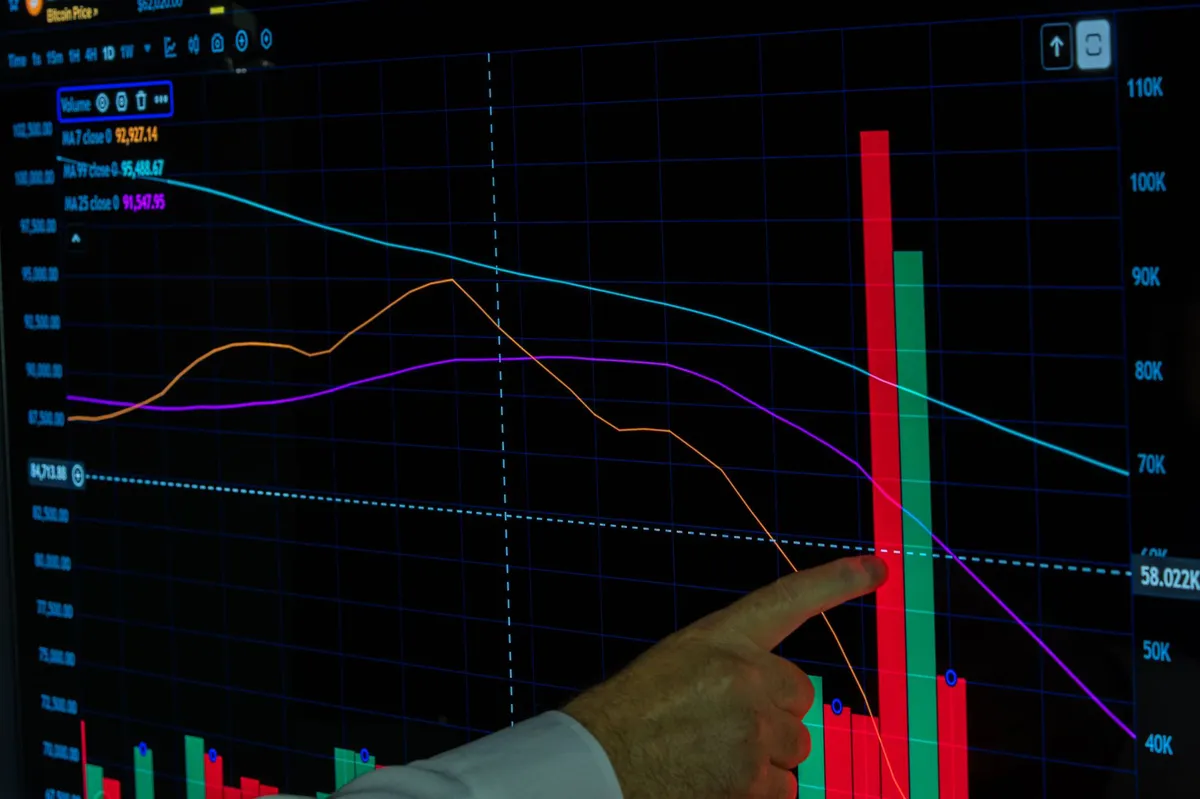
While the current environment may seem favorable for brokerage firms, investors should remain aware of the inherent risks associated with increased trading activity. Volatility can lead to significant losses just as quickly as it can yield gains. Some key risks include:
- Market corrections that can wipe out profits
- The potential for emotional trading decisions
- High leverage that amplifies losses
For retail investors, it’s crucial to approach trading with a well-thought-out strategy, emphasizing risk management and diversification. Those who jump into trading without a clear plan risk falling prey to market fluctuations.
What This Means for Investors
For investors considering whether to engage with platforms like Interactive Brokers, the current climate presents both opportunities and challenges. Here are some takeaways for navigating this new landscape:
- Do your research: Understanding market trends and the fundamentals of companies you invest in is crucial.
- Utilize technology: Consider platforms that provide advanced trading tools and analytics to stay ahead of market movements.
- Manage risk: Set clear limits on trades and avoid over-leveraging your positions.
In conclusion, as market volatility continues to shape the trading landscape, firms like Interactive Brokers are well-positioned to benefit. However, investors must remain vigilant, balancing their pursuit of profits with a comprehensive understanding of risk management.

Key Takeaways
- Market volatility can lead to increased trading activity, benefiting brokerage firms.
- Interactive Brokers is emerging as a leader in the brokerage sector due to its low-cost, technology-driven approach.
- Retail investors play a significant role in driving trading volumes, but they must be cautious of the inherent risks in volatile markets.
Frequently Asked Questions
How can I start trading with Interactive Brokers?
To start trading with Interactive Brokers, you’ll first need to create an account on their platform. The process typically involves providing personal information for identity verification, funding your account, and familiarizing yourself with their trading tools. They offer an extensive library of resources and tutorials for new traders, which can help you get started.
Is trading during market volatility a good strategy?
Trading during periods of high volatility can be a double-edged sword. While the potential for quick profits exists, so do the risks of significant losses. It’s essential to have a clear strategy in place, including risk management techniques, to navigate these uncertain waters effectively.
What are the fees associated with using Interactive Brokers?
Interactive Brokers is known for its low commission rates, often charging a small fee per trade or offering commission-free trading for certain products. However, there may be additional fees for specific services, such as margin trading or account maintenance, so it’s crucial to review their fee schedule before opening an account.
Can retail investors succeed in a volatile market?
Yes, retail investors can succeed in a volatile market, but it requires discipline, research, and a solid understanding of market dynamics. Utilizing technology and tools available on platforms like Interactive Brokers can enhance trading strategies and improve decision-making. However, emotional decision-making should be avoided to mitigate risks.
This content is educational, not financial advice.
Comments
Understanding the Impact of U.S.-Canada Tariffs on Critical Metals
The recent tariffs imposed between the U.S. and Canada have significant implications for the economy, especially concerning critical metals. This article delves into the effects on various sectors, market volatility, and strategic decisions businesses must make in response.

Related articles






Popular in Investing
- Navigating the Dismal Landscape of 2026's Worst-Performing ETFs
- Navigating the Turbulent Waters of Energy Markets: A Deep Dive
- Stablecoin Market Faces $10 Billion Decline — What It Means for Investors
- Cotton Futures Surge Despite Increased Production Forecasts
- Avantus Secures $525 Million for Major California Solar Project