Why Now is the Time for Investors to Rebalance Their Portfolios
As global bond markets face volatility and stock prices soar, rebalancing your investment portfolio can be a strategic move to manage risk and optimize returns. This article explores the importance of rebalancing and practical steps to implement it effectively.

In the ever-evolving landscape of investing, the importance of maintaining a balanced portfolio cannot be overstated. With global bond markets experiencing significant sell-offs and stock indices reaching near all-time highs, many investors are faced with a crucial decision: should they rebalance their portfolios? Financial advisors advocate for this strategy, emphasizing that it may be one of the most prudent actions you can take in today's uncertain market environment.
At its core, rebalancing involves adjusting your asset allocation to align with your investment goals and risk tolerance. Typically, a well-diversified portfolio might consist of a classic 60% stocks and 40% bonds mix. However, fluctuations in the market can skew these allocations, often leaving investors with a heavier weight in stocks due to their recent performance. As such, now may be an especially opportune time to consider rebalancing.
The Current Market Landscape
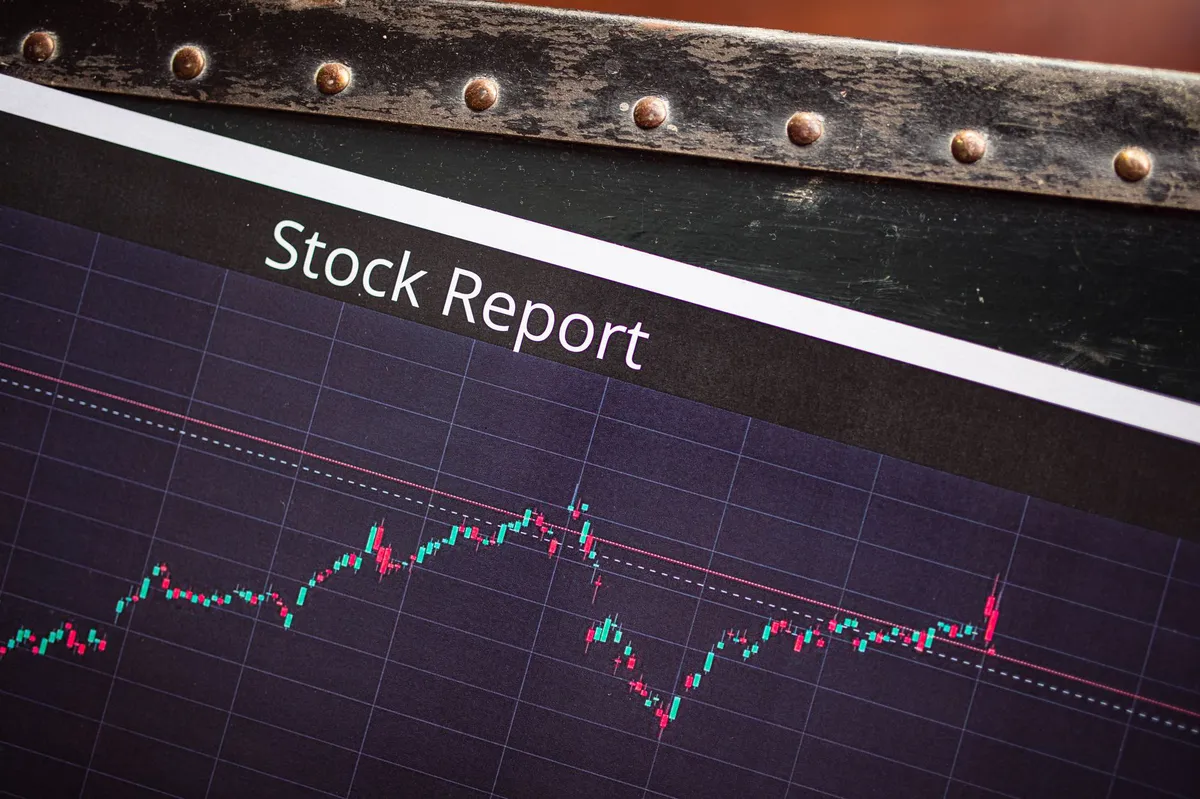
The financial climate is fraught with uncertainty, significantly influenced by geopolitical tensions and economic shifts. For instance, the ongoing war in Iran has contributed to a global bond sell-off, prompting investors to reassess their portfolios. Meanwhile, stocks have enjoyed a remarkable upswing, with the S&P 500 boasting a staggering 24% return in 2023, followed by 23% in 2024 and 16% in 2025. Despite minor dips, stocks remain over 11% higher in 2026 compared to the previous year.
This phenomenon raises the question: how did we arrive at this point? The surge in stock valuations can largely be attributed to excitement surrounding technology advancements and artificial intelligence. However, as yields on government bonds climb to multiyear highs, the bond market's performance has suffered, leading to a decline in investment funds that track long-term bonds.
Understanding the Mechanics of Rebalancing
Why Rebalance?
Rebalancing serves multiple purposes beyond merely realigning asset allocations. Here are several compelling reasons to consider this strategy:
- Locking in Profits: By selling a portion of your high-performing stock holdings, you can realize gains and shift them into underperforming areas, such as bonds, thus adhering to the principle of buying low and selling high.
- Reducing Risk: As market dynamics shift, a portfolio that becomes too stock-heavy may expose investors to higher risk, especially during downturns. Rebalancing can help mitigate this risk.
- Emotional Discipline: Having a structured rebalancing strategy can help curb impulsive decisions driven by market emotions or fears, particularly during turbulent times.
- Aligning with Risk Tolerance: Regularly reassessing your risk tolerance ensures that your portfolio reflects your comfort level with potential losses, especially important for investors nearing retirement.
How to Rebalance
Rebalancing does not mean liquidating your entire stock portfolio. Instead, you can strategically shift funds from equities to bonds or other asset classes. Investors can utilize several methods to achieve their target allocations:
- Systematic Rebalancing: This involves periodic adjustments, such as quarterly or annually, where you evaluate your portfolio against your desired allocation.
- Threshold Rebalancing: This approach triggers rebalancing when an asset class deviates from its target allocation by a predetermined percentage, ensuring timely adjustments.
- Cash Flow Adjustments: New contributions or withdrawals can be directed to underrepresented asset classes to gradually guide the portfolio back to its desired allocation.

Tax Implications of Rebalancing
While rebalancing provides various benefits, it is crucial to consider the tax implications that may arise, especially for investors with taxable brokerage accounts. Unlike tax-advantaged retirement accounts, such as 401(k)s or IRAs, selling assets in a taxable account can trigger capital gains taxes. Therefore, strategies such as tax-loss harvesting—where you sell losing investments to offset gains—can be beneficial in managing tax liabilities.
For those in tax-advantaged accounts, rebalancing offers a more straightforward approach to realigning your portfolio without immediate tax consequences. Nevertheless, investors should remain aware of potential future tax implications, especially if they anticipate liquidating assets in the future.

Getting Started with Rebalancing
Many financial institutions provide risk tolerance questionnaires that can help investors assess their comfort level with market fluctuations. Platforms like Vanguard, Fidelity, and T. Rowe Price offer these tools, allowing you to evaluate your current risk profile and make informed decisions regarding rebalancing.
Additionally, if you are enrolled in a 401(k) plan, your plan administrator may offer resources to help you gauge your risk tolerance and adjust your asset allocation accordingly. As you approach retirement, consider reallocating profits from your stock portfolio into more stable assets, such as cash or bonds, which can provide income during your retirement years.
Key Takeaways
- Rebalancing is a strategic approach to realign your portfolio with your risk tolerance and investment goals.
- Current market conditions present an opportunity to lock in profits by shifting from stocks to bonds.
- Be aware of tax implications when rebalancing in taxable accounts; tax-advantaged accounts provide more flexibility.
- Utilize risk tolerance questionnaires from major asset managers to assess your comfort with market fluctuations.
Frequently Asked Questions
What is rebalancing, and why is it important?
Rebalancing is the process of adjusting your investment portfolio to maintain a desired asset allocation. It’s important because it helps manage risk, locks in profits, and ensures that your investments align with your financial goals and risk tolerance.
How often should I rebalance my portfolio?
The frequency of rebalancing can vary depending on individual preferences and market conditions. Common strategies include rebalancing quarterly, annually, or whenever an asset class deviates from its target allocation by a specific percentage. Regular evaluations help maintain the desired risk level.
What are the tax implications of rebalancing?
Rebalancing in taxable accounts can trigger capital gains taxes, whereas tax-advantaged accounts like 401(k)s or IRAs allow you to rebalance without immediate tax consequences. It's essential to consider potential tax liabilities and implement strategies such as tax-loss harvesting to mitigate these effects.
Can I rebalance without selling my stocks?
Yes, you can rebalance your portfolio without liquidating your stocks by directing new contributions or reallocating existing investments into underrepresented asset classes. This gradual approach allows you to shift your portfolio back to its desired allocation over time.
Disclaimer: The content is educational and not financial advice.
Comments
Navigating the Bond Market: How Fidelity's Strategic Income Fund Excels
Discover how the Fidelity Strategic Income Fund thrives in challenging bond markets by leveraging flexibility and strategic allocations, outperforming traditional benchmarks.

Related articles





Popular in Investing
- Navigating the Dismal Landscape of 2026's Worst-Performing ETFs
- Navigating the Turbulent Waters of Energy Markets: A Deep Dive
- Stablecoin Market Faces $10 Billion Decline — What It Means for Investors
- Cotton Futures Surge Despite Increased Production Forecasts
- Avantus Secures $525 Million for Major California Solar Project