Elon Musk Secures $3 Billion for The Boring Company: What's Next?
Elon Musk's The Boring Company has completed a significant funding round, raising $3 billion, primarily driven by investments from the UAE. This development could reshape the future of urban transportation and tunneling technology.
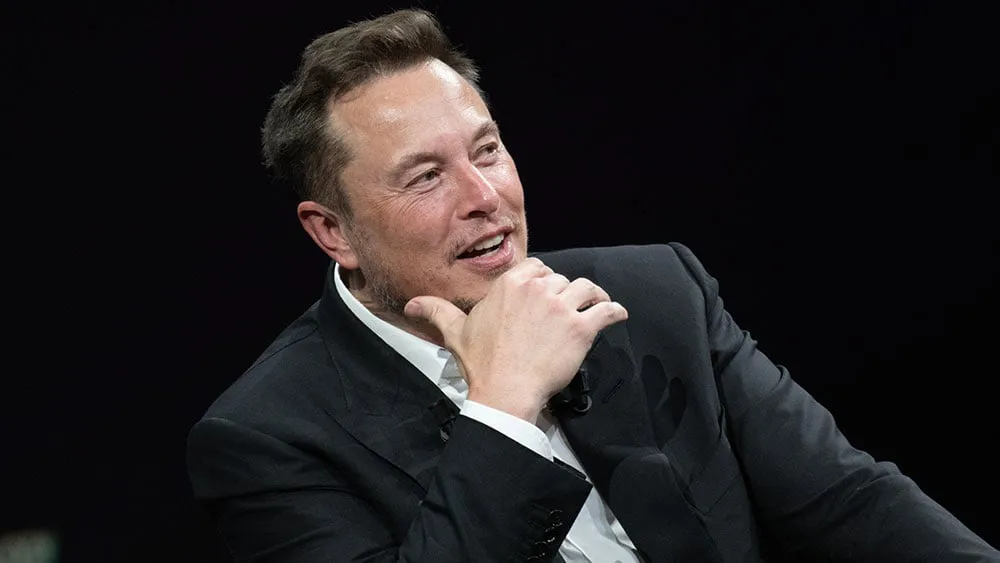
In a major boost to his ambitious vision of revolutionizing urban transportation, Elon Musk's tunneling startup, The Boring Company, announced that it has raised an impressive $3 billion in a recent financing round. This substantial influx of capital, which brings the company's valuation to a staggering $23 billion, was primarily led by investors from the United Arab Emirates (UAE). This funding is not only a testament to Musk's innovative approach to solving urban congestion but also signifies a growing interest from international investors in tunneling and infrastructure projects.
The significance of this funding round extends beyond mere numbers. The UAE has previously partnered with The Boring Company, awarding it a contract to construct one of its signature tunnels in Dubai. This collaboration serves as a critical indicator of the UAE's commitment to advanced infrastructure solutions and the potential for further international projects that could emerge from this partnership.
The Rise of The Boring Company
Founded in 2016, The Boring Company was born out of Musk's frustration with traffic congestion and the inefficiencies of traditional public transportation systems. His vision was to create a network of underground tunnels that could significantly alleviate surface-level traffic and provide a faster, more efficient means of transportation. The Boring Company has since made strides in developing tunneling technology that promises to be faster and less expensive than traditional methods.
Innovative Tunneling Technology
One of the most compelling aspects of The Boring Company's approach is its focus on innovation in tunneling techniques. The company employs a unique tunnel boring machine (TBM) that is designed to be smaller and more efficient than conventional machines. This allows for the construction of tunnels that are not only cheaper to build but also faster to complete. The potential applications for this technology are vast, ranging from urban transportation networks to long-distance travel solutions.
The UAE's Role in the Funding Round
The UAE's investment in The Boring Company highlights its strategic interest in advancing its own infrastructure capabilities while fostering innovative technology partnerships. By backing a company that is at the forefront of tunneling innovation, the UAE aims to position itself as a global leader in infrastructure development. This funding round could pave the way for additional projects within the Middle East and beyond, as the region seeks to enhance its urban landscapes and transportation networks.
Potential Impact on Urban Transportation
The implications of this funding extend beyond The Boring Company itself. If successful, the projects undertaken by The Boring Company could revolutionize urban transportation in cities around the world. The proposed tunnels could help reduce traffic congestion, lower travel times, and minimize the environmental impact of urban transit. As cities continue to grapple with increasing populations and the resulting strain on infrastructure, innovative solutions like those offered by The Boring Company could become essential.
- Innovative Solutions: The Boring Company's technology could lead to more efficient urban transportation systems.
- Global Influence: The UAE's investment may inspire other countries to explore similar partnerships.
- Environmental Benefits: Reduced surface traffic could lead to lower carbon emissions in urban areas.
Future Prospects and Challenges
Despite the promising prospects associated with the funding round, The Boring Company faces several challenges as it moves forward. Regulatory hurdles, public skepticism, and the complexities of urban planning can impede progress on projects. Moreover, the company will need to demonstrate that its technology can be implemented at scale while adhering to safety and environmental standards.
Competition in the Infrastructure Space
The tunneling industry is not without competition. Other companies and technologies are vying for a share of the infrastructure market, including traditional construction firms and emerging startups focused on urban mobility. The Boring Company will need to stay ahead of the curve by continuing to innovate and proving the effectiveness of its solutions in real-world applications.
Key Takeaways
- The Boring Company raised $3 billion, valuing the company at $23 billion.
- The UAE played a significant role in this funding, indicating strong international interest in tunneling technology.
- Successful projects could revolutionize urban transportation and reduce environmental impacts.
- Challenges remain, including regulatory hurdles and competition from other firms in the infrastructure sector.
Frequently Asked Questions
What is The Boring Company's main goal?
The Boring Company aims to reduce traffic congestion in urban areas by developing a network of underground tunnels. By utilizing innovative tunneling technology, the company seeks to provide faster and more efficient transportation solutions that can alleviate the pressures on surface-level traffic.
How does The Boring Company's technology differ from traditional tunneling methods?
The Boring Company employs a smaller, more efficient tunnel boring machine (TBM) designed to reduce costs and construction time compared to conventional machines. This innovative approach enables the company to build tunnels that are not only cheaper but also faster to complete, potentially transforming urban infrastructure development.
What are the potential environmental benefits of The Boring Company's projects?
By creating underground transportation systems, The Boring Company could significantly reduce surface-level traffic, leading to lower carbon emissions and less air pollution in urban areas. This shift towards more sustainable transportation solutions is crucial as cities face growing environmental challenges due to population growth and urbanization.
What challenges does The Boring Company face moving forward?
The Boring Company must navigate regulatory hurdles, public skepticism, and the complexities of urban planning as it seeks to implement its projects. Additionally, it will need to compete with other firms in the infrastructure space and demonstrate the effectiveness of its technology in real-world scenarios to gain broader acceptance and support.
Disclaimer: The content is educational, not financial advice.
Comments
Navigating the Bond Market: How Fidelity's Strategic Income Fund Excels
Discover how the Fidelity Strategic Income Fund thrives in challenging bond markets by leveraging flexibility and strategic allocations, outperforming traditional benchmarks.

Related articles


Popular in Investing
- Navigating the Dismal Landscape of 2026's Worst-Performing ETFs
- Navigating the Turbulent Waters of Energy Markets: A Deep Dive
- Stablecoin Market Faces $10 Billion Decline — What It Means for Investors
- Cotton Futures Surge Despite Increased Production Forecasts
- Avantus Secures $525 Million for Major California Solar Project