How the AI Boom Might Impact Stock Markets and Investor Confidence
Analysts warn that the rapid growth of artificial intelligence could exacerbate a stock sell-off, leading to a potential recession and affecting global markets. Understanding these risks is crucial for investors.

The rapid ascent of artificial intelligence (AI) is a double-edged sword, promising innovation and efficiency while posing significant risks to market stability. Recent analyses suggest that if the U.S. stock market were to enter a bear phase — characterized by a prolonged decline of 20% or more — the fallout could be severe, not only for domestic investors but for the global economy as well. In a report from Fitch Ratings, analysts highlighted an unsettling scenario where declining stock prices could stifle AI investments, leading to a cascade of economic challenges. Understanding this nexus between AI growth and market health is critical for investors navigating these tumultuous waters.
As AI continues to captivate sectors ranging from finance to healthcare, its potential to drive economic growth is immense. However, the potential for a bear market could serve as a chilling reminder of the vulnerabilities intertwined with rapid technological advancements. This article delves into the implications of a bear market for AI spending, the broader economic repercussions, and what investors can do to mitigate risk.
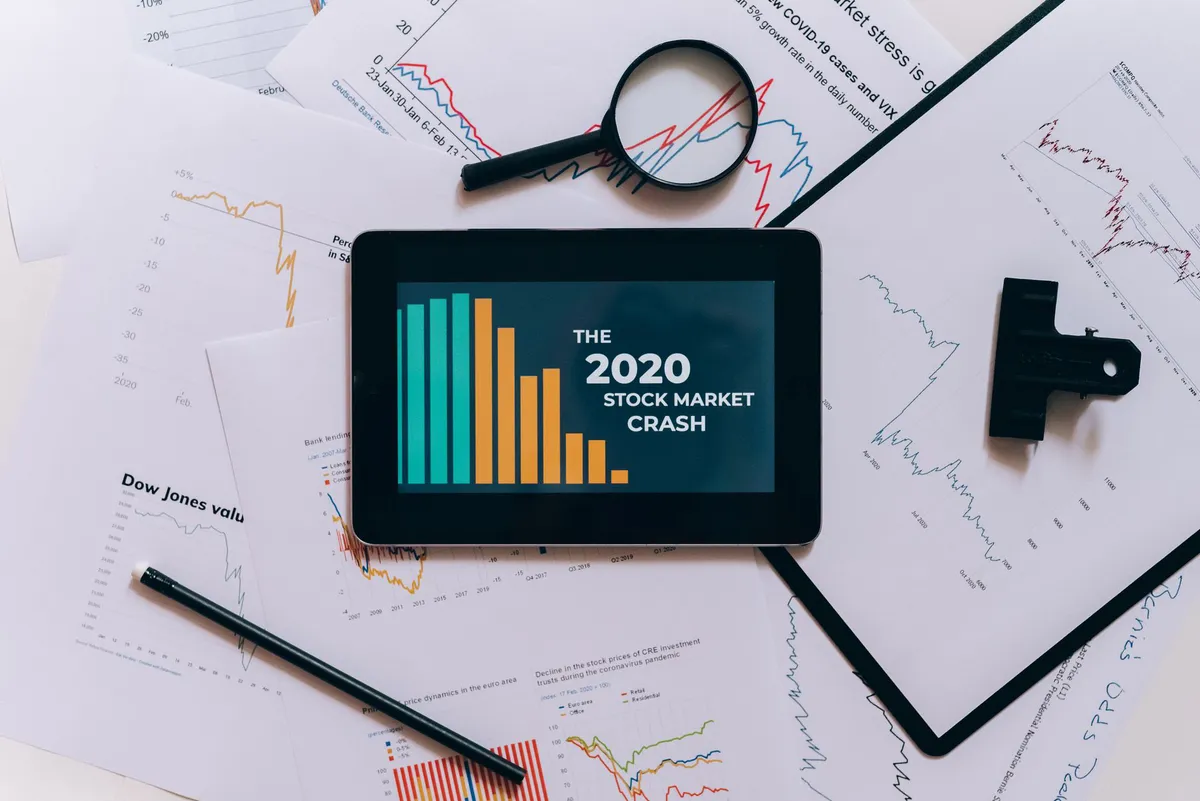
The Bear Market and Its Economic Ripple Effects
A bear market is not merely an unfortunate phase for investors; it can trigger a series of economic reactions that can jeopardize recovery and growth. When stock prices plummet, investor confidence wanes, leading to reduced consumer spending and business investments. In this environment, companies might cut back on their AI development budgets, which are often seen as discretionary expenses. Fitch analysts have cautioned that such a downturn could not only dampen AI spending but also lead to a broader recession, which would have significant implications for the economy.
Understanding the Bear Market
Typically, a bear market is defined as a decline of 20% or more in stock prices over a sustained period. Factors such as rising interest rates, inflation, and geopolitical tensions can contribute to this phenomenon. As investors sell off stocks, the resulting negative sentiment can create a self-reinforcing cycle, where fear leads to more selling, further driving down prices.
The AI Investment Landscape
Investment in AI technologies has surged over the past few years, driven by advancements in algorithms, increased computing power, and vast amounts of data. Industries are racing to leverage AI for everything from automating processes to enhancing decision-making. However, if a bear market occurs, the funding for these innovations could dry up, stalling progress and innovation.
Potential Impacts on Different Sectors
The ramifications of a slowdown in AI spending would be felt across various sectors:
- Technology: Tech firms rely heavily on continuous innovation. A pullback in AI investment could hinder their growth trajectories.
- Healthcare: Companies developing AI for diagnostics and patient care might face funding cuts, delaying breakthroughs.
- Finance: Financial institutions leveraging AI for risk assessment and fraud detection could experience operational setbacks.

The Global Market Context
The interconnectivity of global markets means that a bear market in the U.S. could have far-reaching effects. Investors abroad may also feel the tremors, particularly in economies that are heavily reliant on U.S. technology and innovation. As U.S. firms cut back on AI investments, international collaborations could suffer, leading to a slowdown in technological advancements on a global scale.
Who is Most Affected?
While the ramifications of a bear market could touch various stakeholders, U.S. investors are likely to feel the brunt of the impact. Domestic companies that have ramped up their AI investments may find themselves at a competitive disadvantage if funding dries up. Additionally, retail investors with significant holdings in tech stocks may see their portfolios negatively impacted, further eroding confidence in the market.
Navigating the Investment Landscape
Given the uncertainties, it’s crucial for investors to stay informed and proactive. Here are some strategies to consider:
- Diversification: Spread investments across various asset classes to mitigate risks associated with market volatility.
- Risk Assessment: Regularly evaluate the risk profile of your investment portfolio, especially in tech-heavy sectors.
- Stay Informed: Follow market trends and economic indicators that could signal shifts in investor sentiment.

Key Takeaways
- The potential for a bear market could stifle U.S. AI investments and lead to a recession.
- Global markets are interconnected, meaning a downturn in the U.S. can have international implications.
- Investors should consider strategies like diversification and risk assessment to navigate potential market volatility.
Frequently Asked Questions
What constitutes a bear market?
A bear market typically occurs when stock prices fall by 20% or more over a sustained period. It is often characterized by widespread fear and negative sentiment among investors, leading to further sell-offs and declines in consumer and business spending. Understanding the signs of a bear market can help investors make more informed decisions.
How could a bear market affect AI investments?
A bear market can lead to reduced funding for AI projects, as companies may cut back on discretionary spending. This can halt advancements in AI technology and innovation, impacting productivity and growth across various sectors. When investor confidence declines, the willingness to invest in emerging technologies like AI often diminishes.
What steps can I take to protect my investments during a market downturn?
To safeguard your investments, consider diversifying your portfolio, regularly assessing risk levels, and staying updated on market trends. It may also be prudent to consult with a financial advisor to develop a strategy tailored to your specific financial situation and goals.
Are there any sectors that might benefit from a bear market?
While most sectors typically suffer during a bear market, some, like utilities or consumer staples, may be more resilient. These industries often provide essential goods and services regardless of economic conditions. Investors might consider reallocating some resources into these sectors to cushion against volatility.
This content is educational, not financial advice.
Comments
Navigating Financial Stocks: Five ETFs to Watch in a Booming Market
As financial stocks surge, investors should consider key ETFs poised for growth. Explore five funds that leverage current market momentum and the potential of rising interest rates.

Related articles






Popular in Investing
- Navigating the Dismal Landscape of 2026's Worst-Performing ETFs
- Navigating the Turbulent Waters of Energy Markets: A Deep Dive
- Stablecoin Market Faces $10 Billion Decline — What It Means for Investors
- Cotton Futures Surge Despite Increased Production Forecasts
- Avantus Secures $525 Million for Major California Solar Project