Silver's Recent Pullback: A Caution or a Golden Opportunity?
As silver prices dip, investors face a crucial decision: is this a time to worry or a chance to buy? Understanding the dynamics of silver's market can reveal profitable opportunities amidst uncertainty.
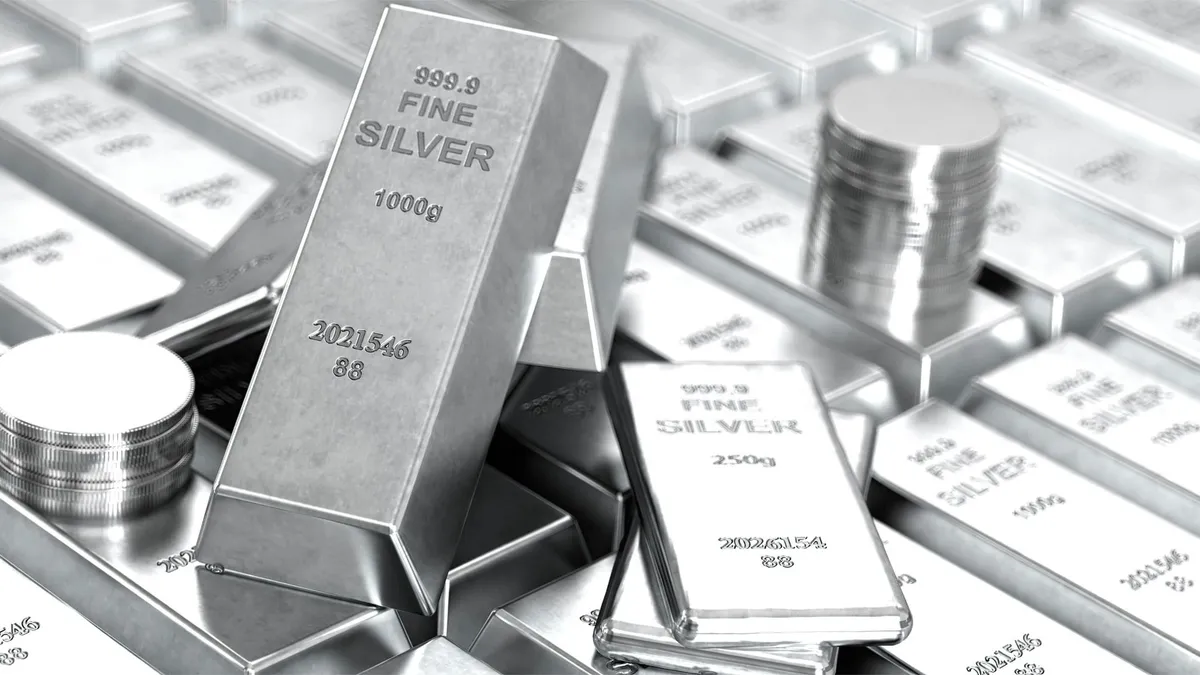
The silver market has been on a roller coaster ride in 2026, capturing the attention of investors and portfolio managers alike. Earlier this year, silver prices surged, prompting a flurry of interest. However, as the market has recently pulled back, many investors are left wondering: does this decline signal trouble ahead, or is it a prime opportunity for savvy investors? Understanding the nuances of silver's supply and demand dynamics is key to navigating this precious metal's current climate.
As a portfolio manager at Meristead Wealth, I’ve witnessed a cyclical pattern in investor sentiment toward precious metals. Interest tends to peak when prices are high, only to wane when they dip. This behavior makes timing the market a significant challenge, especially in a sector as volatile as commodities. But often, the best opportunities arise when prices pull back — a sentiment that is particularly relevant to silver right now.
The Unique Role of Silver in the Economy
Silver is often labeled as "poor man's gold," yet this characterization fails to capture the metal's multifaceted significance. Like gold, silver has served as a form of currency and a store of value for centuries. However, its industrial applications set it apart. Silver is integral to a wide array of technologies, from electronics to renewable energy solutions.
Industrial Demand for Silver
Silver's unique properties make it indispensable in modern technology. It boasts the highest electrical and thermal conductivity of all metals, making it a critical component in:
- Solar panels
- Electric vehicles
- Semiconductors
- Medical devices
In 2025, industrial demand for silver reached an impressive 657.4 million ounces, primarily fueled by investments in emerging technologies. As industries push towards greener alternatives, silver's role is expected to expand.

Supply Constraints: A Growing Concern
While demand for silver is robust, supply has struggled to keep pace. The silver market is projected to experience its sixth consecutive annual supply deficit in 2026, with demand exceeding supply by an estimated 46.3 million ounces. This scenario has emerged due to several factors:
Stagnant Mine Production
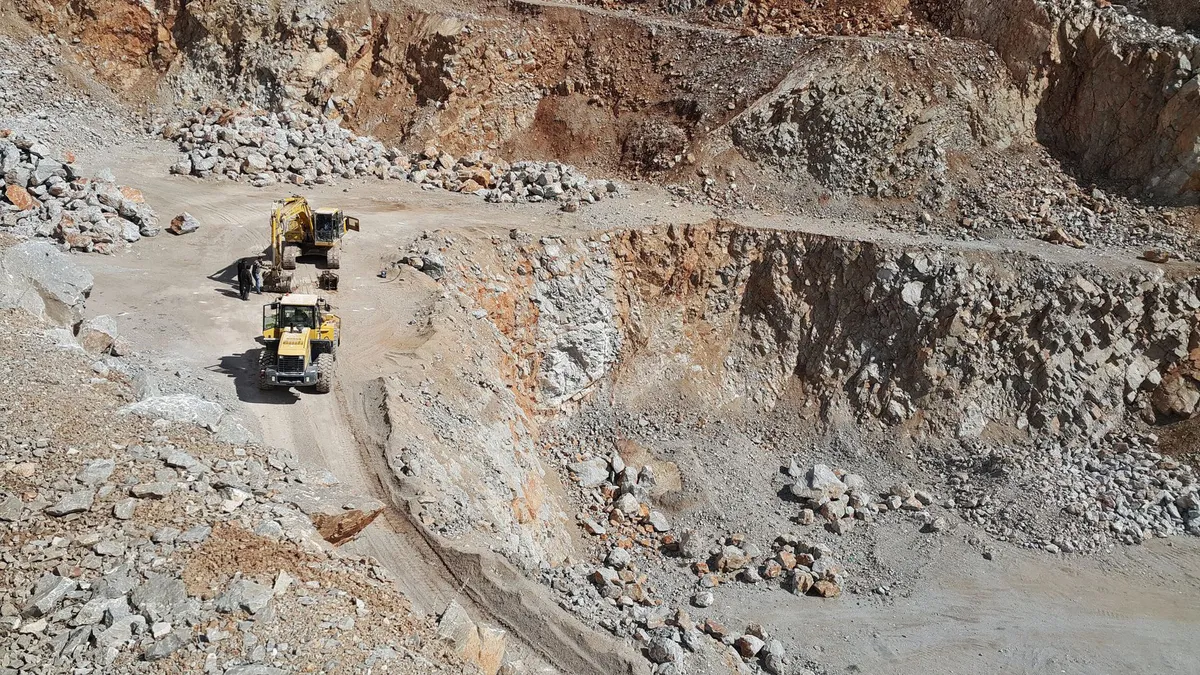
Over the past decade, silver mine production has stagnated, with many key mining regions reaching maturity. The declining ore grades mean that more rock must be processed to extract the same amount of silver. This, coupled with the rising costs and complexities of mining, has led to insufficient supply to meet demand.
Recycling Challenges
Recycling silver is another avenue for supply; however, it presents its own challenges. Silver is often embedded in small quantities within electronic devices, making recovery economically unfeasible. For instance, a smartphone may contain only a fraction of an ounce of silver, which may not justify the costs associated with recycling.
Investment Strategies: Navigating the Silver Landscape
With silver's compelling fundamentals, many investors are considering how best to gain exposure to this precious metal. However, not all investments are created equal.
Physical Silver vs. Financial Instruments
Investors can opt for physical silver, such as coins or bars, often seen as a hedge during economic turmoil. However, owning physical silver introduces challenges, including storage and insurance costs. An alternative is to invest in exchange-traded funds (ETFs) that track silver prices. These funds provide a more convenient option but come with management fees and require understanding the fund's structure.
Mining Stocks: A Risky Proposition
Investing in silver mining stocks can be lucrative but comes with its own set of risks. Many mining companies focus on multiple metals, meaning silver may only be a small part of their operations. Additionally, the scarcity of pure-play silver mining stocks often leads to inflated valuations compared to gold miners. Investors should be cautious about limiting themselves to companies that prominently feature silver in their names, as they may miss out on more stable, diversified investments.
Exploring Alternative Investment Models
For those seeking a balanced approach, consider looking beyond traditional silver miners. Many gold-focused companies also have significant silver assets, allowing investors to benefit from silver's price increases without the limited options that come with dedicated silver stocks. For instance, Newmont Corporation, primarily recognized as a gold miner, operates one of the largest silver mines in Mexico, contributing millions of ounces to the market.
Royalty and Streaming Companies
Additionally, precious-metals royalty and streaming companies offer a unique investment model. These firms provide upfront capital to miners in exchange for a percentage of future production or revenue. This model tends to be more profitable and less risky than traditional mining, as they are not directly involved in daily operational challenges. Companies like Wheaton Precious Metals exemplify this approach, allowing investors to gain exposure to both gold and silver without the typical mining risks.
Key Takeaways
- Silver's industrial demand is robust due to its critical role in technology and renewable energy.
- Supply deficits are likely to continue, as mining production struggles to meet demand.
- Investors have various strategies to gain exposure to silver, including physical ownership, ETFs, and mining stocks.
- Royalty and streaming companies present a less risky investment alternative in the precious metals market.
- Investors should consider both silver and gold opportunities to create a diversified portfolio.
Frequently Asked Questions
What drives the price of silver?
The price of silver is influenced by a combination of factors including industrial demand, investor sentiment, and macroeconomic conditions. As a precious metal, silver often sees its price rise during times of economic uncertainty as it serves as a safe haven asset. Additionally, its extensive use in technology and renewable energy sectors contributes significantly to its demand, pushing prices higher as industries expand.
Is it a good time to invest in silver now?
Whether it is a good time to invest in silver depends on individual investment goals and risk tolerance. The current pullback in silver prices may present a buying opportunity for long-term investors who believe in the metal's fundamentals, particularly its industrial applications. However, potential investors should conduct thorough research and consider market conditions before making decisions.
How can I invest in silver without owning physical metal?
Investors looking to gain exposure to silver without the hassles of physical ownership can consider silver ETFs, which track the price of silver without requiring storage or insurance. Additionally, investing in silver mining stocks or royalty companies can provide indirect exposure to silver prices while also diversifying one's portfolio.
This content is educational, not financial advice.
Comments
Navigating Financial Stocks: Five ETFs to Watch in a Booming Market
As financial stocks surge, investors should consider key ETFs poised for growth. Explore five funds that leverage current market momentum and the potential of rising interest rates.

Related articles




Popular in Investing
- Navigating the Dismal Landscape of 2026's Worst-Performing ETFs
- Navigating the Turbulent Waters of Energy Markets: A Deep Dive
- Stablecoin Market Faces $10 Billion Decline — What It Means for Investors
- Cotton Futures Surge Despite Increased Production Forecasts
- Avantus Secures $525 Million for Major California Solar Project