Maximize Your Income: 5 High-Yield Dividend Stocks Before Ex-Dates
Time is running out for income investors to secure dividends from five high-yield stocks with imminent ex-dividend dates. Learn what to buy and when.

As September unfolds, income-focused investors find themselves in a race against time to capitalize on lucrative dividend opportunities. With five high-yield stocks approaching their ex-dividend dates, the window for securing these income streams is closing fast. Understanding the importance of these dates—and why they matter—can make a significant difference in your investment strategy.
Dividend-paying stocks are an essential component of many investors' portfolios, offering both income and potential for capital appreciation. However, the mechanics of dividend payments can be complex. To receive a dividend, investors must own the stock before its ex-dividend date—a threshold that often catches many off guard. In this article, we'll explore five high-yield stocks with confirmed ex-dividend dates between September 21 and September 25, 2026, and help you understand the nuances of dividend investing.
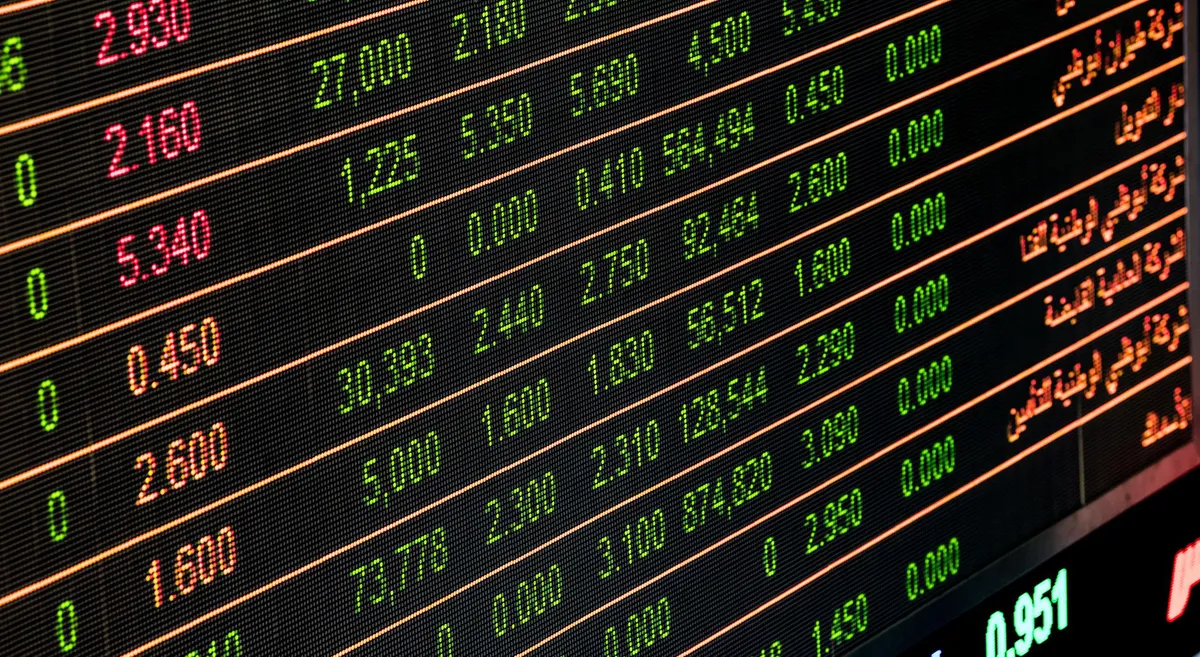
Understanding Ex-Dividend Dates
The ex-dividend date is a critical date for dividend investors. It marks the cutoff point for stock ownership to qualify for an upcoming dividend payment. If you buy the stock on or after this date, the seller keeps the dividend, leaving you empty-handed. Therefore, it’s essential to be aware of these dates when planning your investments.
To illustrate, if a stock has an ex-dividend date of September 21, you must purchase the stock before this date, ideally by September 18, to receive the dividend. This timing is crucial, especially since many investors rely on dividends for income, particularly retirees or those looking for consistent cash flow.

Top 5 High-Yield Stocks to Consider
Here are five notable high-yield stocks with impending ex-dividend dates, each offering unique investment opportunities:
- Gladstone Capital (GLAD) - This lower middle-market Business Development Company (BDC) is trading around $19.47 with a market cap of approximately $439 million. It offers a monthly dividend of $0.15, with an ex-dividend date of September 21. The indicated annual dividend stands at $1.80. Investors should aim to purchase shares by September 18 to capture this payment.
- Gladstone Commercial (GOOD) - As a net-lease REIT specializing in industrial properties, GOOD has a market cap of about $605 million and is priced at $12.76. It pays a monthly dividend of $0.10, also with an ex-dividend date of September 21. With an annual dividend yield of $1.20, the last practical buy date is September 18.
- Gladstone Investment (GAIN) - Another member of the Gladstone family, GAIN focuses on buyouts and is valued at around $15.95, with a market cap of about $637 million. Its monthly dividend is $0.08, with the same ex-dividend date of September 21. The indicated annual dividend is $0.96.
- Chicago Atlantic BDC (LIEN) - This cannabis-focused BDC has a market cap near $232 million and offers a quarterly dividend of $0.34, with an ex-dividend date of September 25. The annual yield reaches 13.3%. Investors need to buy before September 24 to secure this payout.
- Seanergy Maritime Holdings (SHIP) - A Capesize dry-bulk shipping company, SHIP has seen its stock price soar by over 106% year to date, currently priced around $18.44. The quarterly dividend of $0.35 comes with an ex-dividend date of September 25. However, it's important to note that this dividend is variable and tied to shipping rates, making it less predictable.

Evaluating the Risks and Rewards
While the potential for dividend income can be enticing, investors must weigh the associated risks. For instance, GLAD, GOOD, and GAIN are all part of the Gladstone family, which provides a sense of familiarity but also a shared exposure to the same market conditions. On the other hand, LIEN's concentrated exposure to the cannabis sector invites specific industry risks, which can be volatile.
For SHIP, the cyclical nature of shipping rates can lead to significant fluctuations in dividend payments. While the recent surge in share price is promising, it’s crucial to recognize that the shipping industry is subject to economic cycles. Investors should consider their risk tolerance and investment strategy when considering these stocks.
Strategies for Dividend Investors
For those looking to incorporate dividend stocks into their portfolios, here are some strategies to consider:
- Diversification: Spread investments across different sectors to minimize risk. Holding multiple stocks can cushion against poor performance in any single investment.
- Reinvestment: Consider utilizing a Dividend Reinvestment Plan (DRIP) to automatically reinvest dividends into additional shares. This can compound your returns over time.
- Monitoring Ex-Dates: Keep a calendar of ex-dividend dates and payment schedules to ensure you don’t miss opportunities.
- Research: Regularly assess the financial health of your dividend stocks. Look at earnings reports, payout ratios, and market trends.

Key Takeaways
- The ex-dividend date is crucial for investors seeking to receive dividend payments.
- Five high-yield stocks have ex-dividend dates between September 21 and September 25, 2026.
- Investors must purchase shares before the ex-dividend date to qualify for the upcoming dividend.
- While high yields are attractive, evaluating risks associated with each stock is essential.
- Diversification and regular monitoring can enhance dividend investment strategies.
Frequently Asked Questions
What is an ex-dividend date?
An ex-dividend date is the date on which a stock begins trading without the value of its next dividend payment. If you buy a stock on or after this date, you will not receive the upcoming dividend; the seller retains that payment. To receive the dividend, you must purchase the stock before the ex-dividend date.
How do I know if a stock pays dividends?
Most financial news websites and stock market platforms display whether a stock pays dividends, including the amount and frequency. Additionally, you can check a company's investor relations page or financial statements for detailed information on dividends.
Are high-yield dividends always a good investment?
While high-yield dividends can provide attractive income streams, they also come with risks. High yields may indicate potential volatility or underlying financial issues within the company. It’s essential to conduct thorough research and consider the company’s financial health before investing.
Can I rely solely on dividends for income?
While dividends can be a significant source of income, relying solely on them can be risky, especially if the companies experience financial difficulties or cut their dividends. A diversified investment strategy that includes different asset classes can provide more stability and reduce reliance on any single source of income.
This content is educational and not financial advice.
Comments
The Evolving Landscape of Swimming Pool Investments: A Dive into Private Equity
The swimming pool industry is experiencing a transformation as private equity firms increasingly focus on maintenance and servicing rather than new construction. This trend highlights the changing dynamics in consumer spending and investment opportunities in the sector.

Related articles







Popular in Investing
- Navigating the Dismal Landscape of 2026's Worst-Performing ETFs
- Navigating the Turbulent Waters of Energy Markets: A Deep Dive
- Stablecoin Market Faces $10 Billion Decline — What It Means for Investors
- Cotton Futures Surge Despite Increased Production Forecasts
- Avantus Secures $525 Million for Major California Solar Project