Corn Market Update: Price Declines Despite USDA Yield Adjustments
Despite a reduction in expected corn yields by the USDA, corn futures ended lower on Friday. This article explores the market dynamics and implications for farmers and investors.
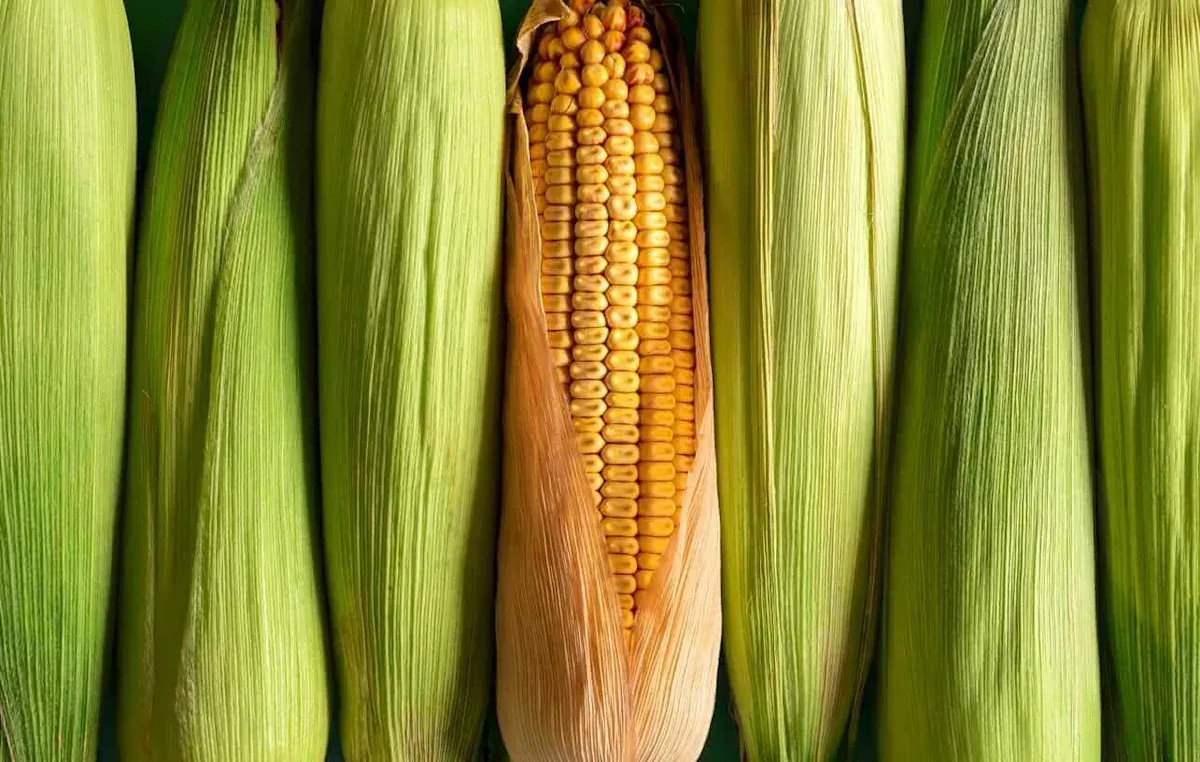
The corn market experienced a notable decline as futures closed lower on Friday, September 11, 2026, even following the USDA's recent announcement of reduced yield estimates. Specifically, contracts for December corn finished down by 6 ½ cents for the week, reflecting a broader trend where corn prices have seemed to react negatively to yield forecasts that would typically be expected to buoy prices. The CmdtyView national average cash price for corn also fell, settling at $4.84 3/4, a decrease of 3 ¼ cents. This decline raises questions about market sentiment and the factors influencing corn prices amidst shifting agricultural conditions.
USDA Yield Adjustments and Market Reaction
The USDA's monthly Crop Production report revealed that U.S. corn yields are expected to decrease by 2.2 bushels per acre (bpa) to a new estimate of 178.5 bpa, aligning closely with analysts' expectations. This downward revision is significant, as it indicates tighter supplies ahead, especially when combined with a production forecast that has reduced overall output by 213 million bushels (mbu) to a total of 15.8 billion bushels (bbu).
What’s Behind the Yield Cuts?
Several factors contribute to the USDA's downward adjustment of corn yields. A combination of adverse weather conditions, pest pressures, and shifting agricultural practices can impact crop performance. In this instance, harvested acres have also been trimmed by 87,000 acres, bringing the total to 85.506 million acres. As a result, these factors combine to create a tighter supply situation, yet the market's response was unexpectedly negative.

Export Dynamics and Domestic Demand
Despite the decline in futures prices, the USDA reported a private export sale of 264,000 metric tons (MT) of corn to Mexico for the 2026/27 shipping year. This highlights that international demand for U.S. corn remains robust, even as domestic prices fluctuate. The export data indicates a net increase in exports by 25 mbu compared to previous forecasts, suggesting that while the yield may be lower, the demand remains strong enough to absorb some of the supply constraints.
Impact on Ending Stocks
The report also indicated adjustments to old crop ending stocks, which have been cut down by 23 mbu to 1.922 bbu. This reduction is indicative of a more constrained supply landscape, further compounded by the adjustment of new crop carryout, which was reduced by 86 mbu to 1.567 bbu. These numbers suggest that while the yield forecast is lower, the market may still be poised for price adjustments based on the balance of supply and demand.

Trader Sentiment and Market Positioning
Recent data from the Commitment of Traders (CFTC) shows that managed money has trimmed their positions in corn futures and options, reducing their net long position by 5,891 contracts from a record high of 425,171 contracts as of September 3. This shift in trader sentiment indicates a cautious outlook among investors, potentially reflecting concerns over the market's ability to respond positively to the USDA's yield adjustments.
Price Trends and Market Forecasts
As of the latest trading session, September corn closed at $5.10 1/4, down 3 3/4 cents, while the nearby cash price was at $4.84 3/4. The December 2026 contract settled at $5.30 1/4, marking a decrease of 3 1/2 cents. Future contracts, notably for March 2027 corn, closed at $5.45 1/2, down 3 3/4 cents as well. These pricing trends suggest a volatile market environment, where external factors such as weather, export demand, and domestic consumption will play crucial roles in shaping future price movements.

What This Means for Farmers and Investors
The recent developments in the corn market present both challenges and opportunities for farmers and investors. For farmers, the lower yield projections could mean tighter margins as input costs remain high. However, the ongoing demand from international markets may provide some support for prices, ensuring that farmers remain competitive despite the challenges posed by crop yield reductions.
Strategies for Stakeholders
Investors should closely monitor the balance between supply and demand as it can significantly impact price movements. Here are some strategies for navigating the current market:
- Diversification: Spread investments across different commodities to reduce risk.
- Market Timing: Keep an eye on export reports and weather forecasts to make informed trading decisions.
- Hedging: Consider using futures contracts to hedge against price declines.
- Research: Stay informed about global agricultural trends and policy changes that could impact markets.
Key Takeaways
- USDA cut corn yield estimates by 2.2 bpa to 178.5 bpa.
- Despite lower yields, export sales to Mexico remain strong.
- Ending stocks are down, indicating tighter supply conditions.
- Trader sentiment shows a reduction in net long positions.
- Farmers and investors must adapt strategies to navigate market volatility.
Frequently Asked Questions
What factors contribute to corn price fluctuations?
Corn prices are influenced by a variety of factors including weather conditions, supply and demand dynamics, export markets, and domestic consumption. Adverse weather can lead to lower yields, while strong demand from export markets can support prices even in the face of reduced domestic supply.
How do USDA reports affect the corn market?
USDA reports, such as the Crop Production and Supply/Demand reports, provide critical data on crop yields, production forecasts, and ending stocks. These reports can significantly influence market sentiment and price movements, as traders and investors use this information to make informed decisions about their positions in the market.
What strategies can farmers use to manage risk in the corn market?
Farmers can utilize various strategies to manage risk, including crop insurance, diversifying their crop portfolio, and using futures contracts to hedge against potential price declines. Staying informed about market trends and forecasts is also essential for making proactive decisions that can mitigate risks.
How can investors capitalize on corn market trends?
Investors can capitalize on corn market trends by closely monitoring supply and demand dynamics, utilizing futures contracts for speculative trading, and diversifying their investment portfolios to include agricultural commodities. Researching global agricultural trends and understanding the impacts of policy changes can also inform better investment decisions.
Disclaimer: This content is educational, not financial advice.
Comments
The Evolving Landscape of Swimming Pool Investments: A Dive into Private Equity
The swimming pool industry is experiencing a transformation as private equity firms increasingly focus on maintenance and servicing rather than new construction. This trend highlights the changing dynamics in consumer spending and investment opportunities in the sector.

Related articles







Popular in Investing
- Navigating the Dismal Landscape of 2026's Worst-Performing ETFs
- Navigating the Turbulent Waters of Energy Markets: A Deep Dive
- Stablecoin Market Faces $10 Billion Decline — What It Means for Investors
- Cotton Futures Surge Despite Increased Production Forecasts
- Avantus Secures $525 Million for Major California Solar Project