Understanding Consumer Spending Trends Through Casey's General Stores
Jim Cramer highlights Casey's General Stores as a barometer for consumer spending, signaling potential economic shifts due to rising fuel prices. This analysis explores the implications for retail and broader economic indicators.

In the ever-evolving landscape of the U.S. economy, certain companies often emerge as critical indicators of consumer behavior and spending trends. Recently, Jim Cramer, the well-known host of CNBC's Mad Money, flagged Casey's General Stores, Inc. (NASDAQ: CASY) as a 'perfect bellwether' for assessing the health of consumer spending amidst rising fuel prices. As Casey's navigates the complexities of a fluctuating economy, its performance offers valuable insights into the broader retail sector and the potential challenges that lie ahead for consumers.
On September 9, 2026, Cramer commented on the company's performance, expressing concern over the implications of climbing gas prices on consumer behavior. As consumers face higher costs at the pump, their spending habits are shifting, impacting retailers across the board. The decline in inside store sales at Casey's, despite a year-over-year revenue increase, underscores this trend and serves as a warning sign for the service-oriented economy.
The Impact of Rising Fuel Prices on Consumer Spending
Fuel prices have a direct and tangible effect on consumer spending. As Cramer pointed out, the average price of gasoline has surged, with premium gasoline reaching $5.12 per gallon, while diesel prices hit a record $5.94. This spike in fuel costs not only affects transportation budgets but also has a cascading effect on discretionary spending. When consumers are forced to allocate a larger portion of their income to fuel, they often reduce expenditures on non-essential items, including groceries and convenience store purchases.
Casey's General Stores as a Case Study
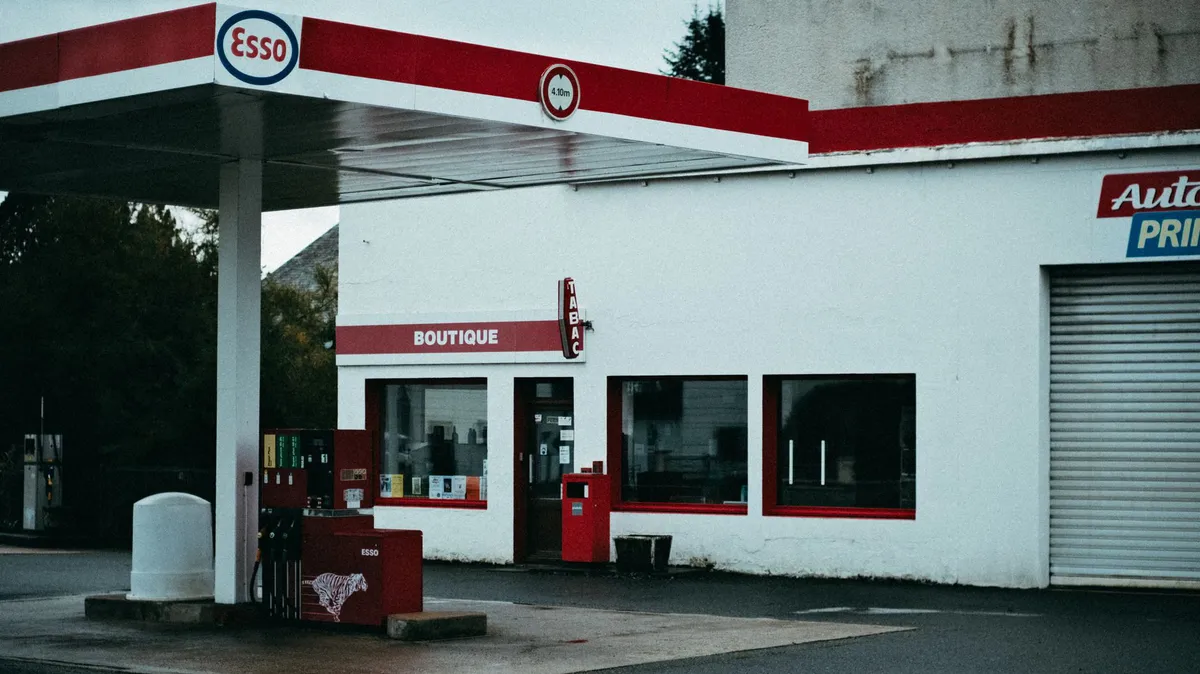
Casey's General Stores operates approximately 3,000 locations across the Midwest, providing a mix of fuel and convenience store items, including snacks and beverages. Despite reporting fiscal first-quarter revenues of $5.678 billion—an impressive 24.3% increase compared to the previous year—Casey's experienced a concerning decline in same-store sales growth. Inside same-store sales dropped from 4.3% to just 3.2% in the latest quarter, signaling a shift in consumer behavior.
- Revenue Growth: Casey's reported a 24.3% increase in revenue year-over-year.
- Declining Inside Sales: Same-store sales growth fell from 5.5% to 3.2% over the quarter.
- Fuel Price Impact: Higher fuel prices led to reduced spending in convenience store sales.
- Profit Margins: Despite selling fewer gallons of fuel, gross profit from fuel increased by 19.6%.
Management at Casey's attributed the decline in inside sales to the rising fuel prices, which led customers to spend less on convenience store items. CEO Darren Rebelez noted that while customers were buying fewer gallons of fuel per trip, they were making more trips, indicating a behavioral shift in response to cost pressures.
The Broader Economic Context
The performance of Casey's amid rising fuel prices serves as a microcosm of a larger economic issue. As the U.S. economy increasingly relies on consumer spending—accounting for about 70% of GDP—any signs of weakness in this area warrant close attention. Cramer’s concerns echo a broader sentiment among economists regarding the sustainability of the consumer-driven economy in the face of rising costs.
Economic Indicators to Watch
Several economic indicators can help gauge the health of consumer spending and the potential impact of fuel prices:
- Consumer Confidence Index: A measure of consumer optimism regarding the economy and their financial situation.
- Retail Sales Data: Monthly reports on consumer spending patterns across various sectors.
- Inflation Rates: Rising inflation can erode purchasing power and influence spending habits.
- Fuel Price Trends: Ongoing fluctuations in fuel prices can signal broader economic challenges.
Challenges Facing Retailers
As evidenced by Casey's recent performance, retailers are grappling with various challenges linked to fuel prices. The decline in same-store sales suggests that even established chains are not immune to the pressures of rising operating costs and shifting consumer preferences. With consumers tightening their belts, retailers must adapt their strategies to maintain profitability and market share.
Strategies for Retailers
In response to changing consumer behaviors, retailers might consider several strategies:
- Adjust Pricing Strategies: Offering promotions or discounts to incentivize purchases can attract price-sensitive consumers.
- Diversify Product Offerings: Expanding product lines to include essential goods can cater to changing consumer needs.
- Enhance Customer Experience: Focusing on improving in-store experiences can encourage higher spending.
- Optimize Supply Chains: Streamlining operations can help mitigate rising costs and improve margins.

Investor Sentiment and Market Reactions
The market's reaction to Casey's performance reflects a broader apprehension regarding retail stocks. Following the announcement of slower same-store sales growth, shares of Casey's plummeted by over 14%, underscoring how investor sentiment can shift rapidly in response to changing economic indicators. Analysts are now closely monitoring the company's ability to maintain its fiscal outlook amidst a challenging environment.
Hedge Fund Activity
Despite the recent downturn, interest from hedge funds in Casey's General Stores remains noteworthy. According to data from Insider Monkey, the number of hedge funds holding Casey's shares increased from 43 to 48 within a quarter, indicating a potential belief in the company's long-term value despite short-term volatility. This activity highlights the complex dynamics of investor sentiment and market performance, as some investors see opportunities even in challenging environments.
Key Takeaways
- Rising fuel prices are impacting consumer spending, as shown by Casey's declining inside sales.
- Casey's General Stores reported a significant revenue increase, but same-store sales growth has slowed, raising concerns.
- The retail sector is facing challenges as consumers adjust their spending habits in response to economic pressures.
- Investor sentiment can react swiftly to changes in retail performance, affecting stock prices significantly.
Frequently Asked Questions
Why are rising fuel prices a concern for consumer spending?
Rising fuel prices put pressure on consumers’ budgets, leading them to allocate more money towards transportation costs. As a result, they often reduce spending on non-essential goods, which can significantly impact retailers that rely on discretionary spending. This shift in consumer behavior is crucial for understanding the overall health of the economy.
What does it mean for a company to be a 'bellwether'?
A 'bellwether' company is one that is considered an indicator of the overall direction of a particular market or economy. In this context, Casey's General Stores is viewed as a bellwether for consumer spending because its performance reflects broader trends in retail and economic health, particularly in response to rising fuel prices that impact consumer purchasing behavior.
How should investors react to changing market conditions?
Investors should stay informed about economic indicators, consumer trends, and market conditions. It’s essential to analyze a company's fundamentals and consider potential challenges when making investment decisions. Diversification of investments can also mitigate risks associated with market volatility.
What strategies can retailers employ to maintain sales during economic downturns?
Retailers can focus on adjusting pricing strategies, diversifying product offerings, enhancing customer experiences, and optimizing supply chains. By adapting to changing consumer needs and economic conditions, retailers can position themselves for continued success even in challenging environments.
Disclaimer: The content is educational, not financial advice.
Comments
Assessing Pfizer's Dividend: Should Investors Be Worried?
Pfizer's stock faces challenges, but its dividend might be more secure than it appears. This article explores the sustainability of its payout amid changing market conditions.

Related articles







Popular in Investing
- Navigating the Dismal Landscape of 2026's Worst-Performing ETFs
- Navigating the Turbulent Waters of Energy Markets: A Deep Dive
- Stablecoin Market Faces $10 Billion Decline — What It Means for Investors
- Cotton Futures Surge Despite Increased Production Forecasts
- Avantus Secures $525 Million for Major California Solar Project