Nike's Departure from the S&P 100: What It Means for Investors
Nike is set to exit the S&P 100 on September 21, 2026, marking a significant shift for the brand. While concerns linger about its market performance, the company remains a key player in the S&P 500. Here's what you need to know.

As September 21, 2026, approaches, Nike, Inc. (NKE) prepares to take a significant step in its corporate journey by exiting the S&P 100, a prestigious stock market index that has included the sportswear giant for nearly 18 years. This change is not merely a routine adjustment; it symbolizes the challenges Nike has faced recently, including a decline in stock value and operational hurdles. While Nike will still be part of the broader S&P 500 Index, the implications of this departure raise questions for investors, analysts, and consumers alike.
Historically, being listed in the S&P 100 is a mark of stability and prominence, but Nike's removal is largely attributed to a drop in market capitalization, roughly cutting its value in half over the past year. Investors should take note of the broader implications of this move and evaluate how it aligns with their financial strategies.
Nike's Current Market Position
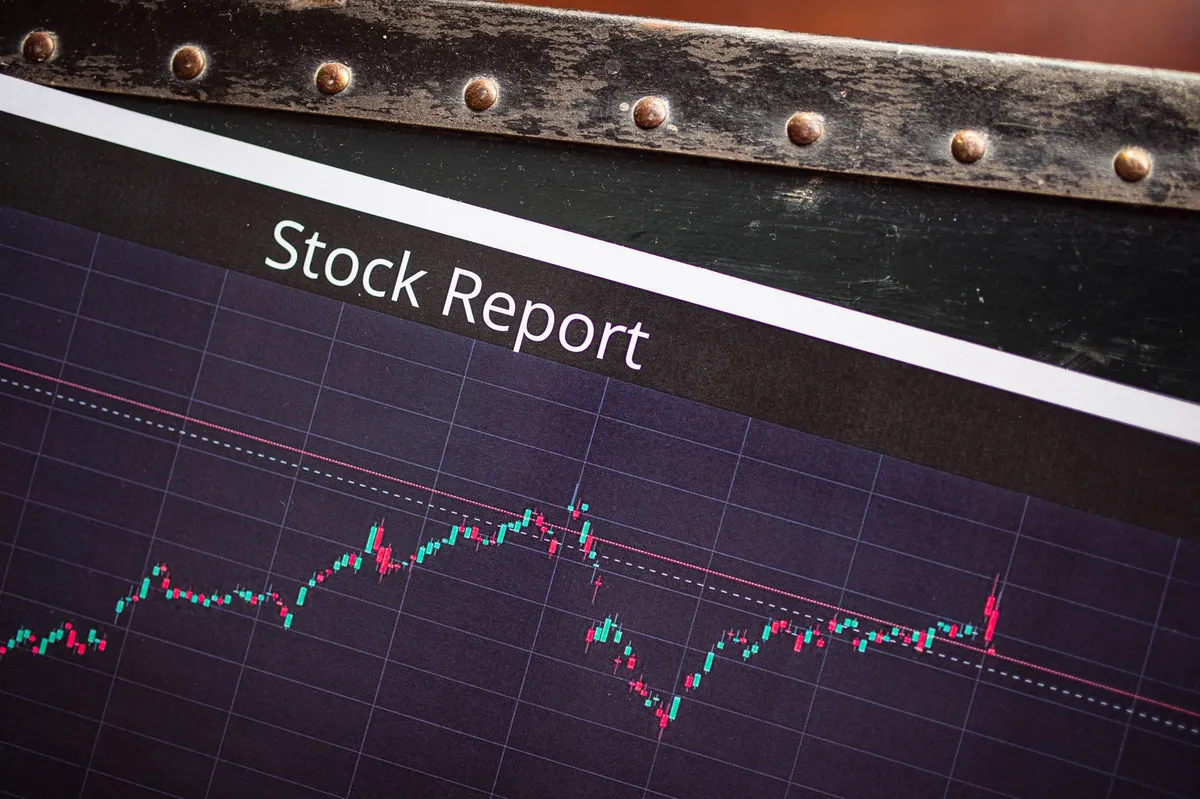
Headquartered in Beaverton, Oregon, Nike is a global leader in the design and distribution of athletic footwear, apparel, and equipment. Despite its status, the company has faced a turbulent year, with its market cap now hovering around $55 billion. Currently, its share price sits at around $37, a stark contrast to its 52-week high of $76.97. This roughly 51% decline in value illustrates a broader trend in the company's performance over the last year.
Understanding the Decline
The downturn can be attributed to several factors, including:
- Poor Digital Performance: Nike's direct-to-consumer sales have struggled, particularly in its digital channels.
- Challenges in China: As one of its largest markets, struggles in China have significantly affected revenues.
- Operational Complications: The company has faced difficulties in executing its turnaround strategy, impacting overall profitability.
The reduction in share price, while alarming, doesn't automatically make Nike a bargain. The stock currently trades at a forward price-to-earnings (P/E) ratio of about 22x and 1.2x sales, indicating that investors are still paying a premium for potential recovery, despite the company's struggles.

Financial Performance and Earnings Reports
Even amidst this turmoil, Nike managed to surpass earnings estimates for its fiscal fourth quarter, with adjusted earnings per share (EPS) of $0.20, exceeding estimates of $0.11. Revenue also came in at approximately $11 billion, surpassing expectations of $10.85 billion. However, this growth was not without caveats, as revenue decreased 1% year-over-year on a reported basis and 4% on a currency-neutral basis.
Key Highlights from Recent Earnings
While the earnings report showed some positive trends, it also highlighted ongoing issues:
- Wholesale Growth: Revenue from wholesale channels grew 4% to $6.6 billion, indicating a recovery in relationships with wholesale partners.
- Nike Direct Revenue Decline: Direct sales fell by 7% to $4.1 billion, with a notable 12% drop in Nike Brand Digital sales.
- Converse Struggles: Converse, another brand under Nike, saw revenue plunge by 32%, underlining the challenges faced within the portfolio.
For the entire fiscal year, Nike reported revenues of $46.4 billion, essentially flat compared to the previous year. While gross margin improved to 49.2%, this was partly due to recognizing benefits from tariff recoveries, which masked underlying profitability issues.

Future Outlook and Analyst Predictions
Looking ahead, analysts maintain a cautiously optimistic outlook for Nike, assigning it a “Moderate Buy” rating. The consensus price target among analysts stands at $49.98, indicating a potential upside of approximately 33% from the current stock price. Moreover, the highest target suggests that shares could potentially double, reaching up to $75.
What Investors Should Consider
As Nike prepares to announce its fiscal Q1 2027 results on October 1, investors should be mindful of several factors:
- Market Conditions: The overall economic environment, including inflation and consumer spending habits, could impact Nike's performance.
- Digital Strategy: How effectively Nike addresses its digital sales challenges will be crucial for future growth.
- Global Markets: Continued struggles in international markets, particularly China, could hinder recovery efforts.
Despite the challenges, Nike's strong brand equity and commitment to innovation may provide a solid foundation for future growth.
Key Takeaways
- Nike will exit the S&P 100 on September 21, 2026, but remains in the S&P 500.
- The stock has lost approximately 51% of its value over the past year.
- Analysts have a “Moderate Buy” rating with a price target indicating potential upside.
- The company's performance in digital sales and international markets remains a concern.
Frequently Asked Questions
Why is Nike leaving the S&P 100?
Nike is exiting the S&P 100 due to a significant decline in market capitalization, which has resulted in the stock losing about half its value over the past year. This change reflects the challenges the company has faced, including poor digital performance and operational difficulties.
What does this mean for Nike's future?
While Nike's removal from the S&P 100 is a symbolic shift, the company remains a major player in the S&P 500. Investors should closely monitor its upcoming earnings reports and the effectiveness of its strategies to reclaim market confidence.
How should investors approach Nike stock now?
Investors should assess their risk tolerance and investment strategy when considering Nike stock. With a moderate buy rating and potential upside, it may be worth keeping an eye on the company's performance amidst ongoing challenges in digital sales and international markets.
What are the implications of the earnings report?
The recent earnings report shows both strengths and weaknesses in Nike's performance. While the company exceeded earnings estimates, it also highlighted ongoing challenges, particularly in direct sales and international markets, which could impact future growth.
The content is educational, not financial advice.
Comments
Assessing Pfizer's Dividend: Should Investors Be Worried?
Pfizer's stock faces challenges, but its dividend might be more secure than it appears. This article explores the sustainability of its payout amid changing market conditions.
Related articles







Popular in Investing
- Navigating the Dismal Landscape of 2026's Worst-Performing ETFs
- Navigating the Turbulent Waters of Energy Markets: A Deep Dive
- Stablecoin Market Faces $10 Billion Decline — What It Means for Investors
- Cotton Futures Surge Despite Increased Production Forecasts
- Avantus Secures $525 Million for Major California Solar Project