Understanding Contango in Oil Markets Amidst Geopolitical Tensions
The oil market's recent flirtation with contango signifies deeper issues than mere supply-demand dynamics. As geopolitical tensions and shifts in Chinese demand reshape the landscape, this article delves into what contango means for investors and the broader implications for global oil markets.
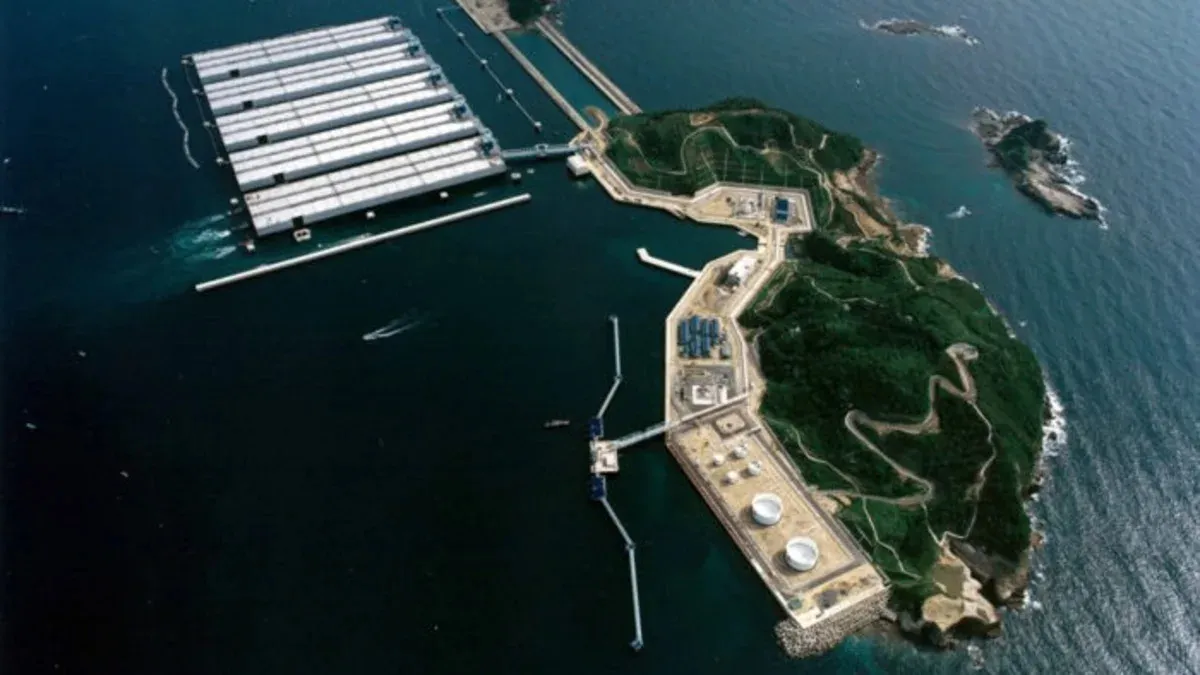
The oil market is currently experiencing a complex interplay of factors that are creating a scenario ripe for misunderstanding, particularly around the concept of contango. Recently, Brent crude prices rebounded from $71 to $79 a barrel, a shift that many analysts attributed to a fleeting short-covering bounce. However, this rebound signals the emergence of an underlying structural deficit in the market, one that is largely obscured by a short-term distortion of supply and demand fundamentals. As financial desks obsess over the technicalities of contango, the broader implications for the oil market and global economies are often overlooked.
Contango, a market condition where future prices of commodities are higher than current prices, has recently been observed in the Brent crude futures market. This phenomenon is not just a reflection of speculative trading but a manifestation of deeper issues within the oil supply chain, particularly in light of geopolitical tensions and changing demand patterns from key players like China. Understanding these underlying factors is crucial for investors and consumers alike, as they navigate a marketplace that is anything but stable.
The Role of Speculation in Oil Prices
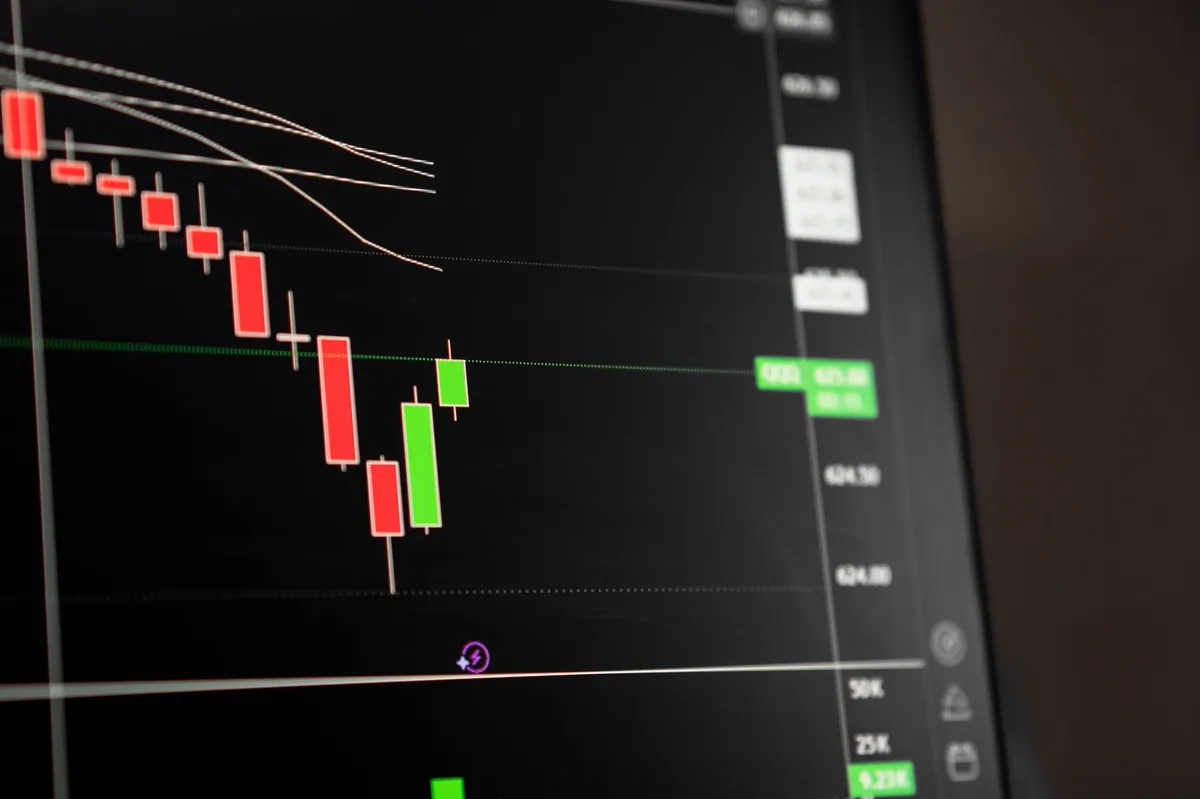
To better grasp the current state of the oil market, one must first understand the role of speculation. Recently, bearish sentiment around Brent crude reached unprecedented levels, with managed-money short positions exceeding 40% of total speculative interest. This extreme net-short positioning left the market vulnerable to significant price swings driven by geopolitical events. For instance, when tensions flared between the U.S. and Iran, a rush to liquidate short positions sent Brent prices soaring back to the $78–$80 range.
The Short-Squeeze Dynamics
As noted by Saxo Bank's Ole Hansen, managed accounts slashed their bullish bets on Brent crude in late June, significantly reducing net long positions to historic lows. This created a precarious situation where even minor geopolitical developments could trigger substantial price movements. Traders and analysts often misinterpret these price bounces as temporary premiums, failing to recognize the structural factors that are actually driving the market.

Chinese Demand: A Game Changer
One of the most significant factors affecting the oil market is China's recent shift in demand behavior. Following the closure of the Strait of Hormuz in March, Beijing implemented a ban on domestic exports of refined petroleum products and drastically cut back on foreign crude purchases. This sudden withdrawal of the world's largest oil buyer from the market effectively muted the expected supply shock, keeping crude prices artificially low.
A Thawing Demand Freeze
However, that demand freeze is now thawing. China has lifted its export ban, allowing independent refiners to resume global sales of refined products. Reports indicate that licensed refineries are expected to export around three million tonnes of refined fuel this month alone, prompting a renewed surge in crude purchases to replenish depleted domestic inventories. As independent refiners rush to secure crude, the dynamics of global oil supply are shifting yet again.
The Easing of Supply Constraints
Compounding these changes in demand are recent developments concerning floating storage of crude and condensate in East Asian waters. A significant drawdown from 49 million barrels in May to approximately 24 million barrels by the end of June indicates that the market is absorbing previously stranded Iranian crude. This absorption is facilitated by a temporary U.S. sanctions waiver that has eased logistical barriers to Iranian oil exports.
Market Realities vs. Paper Interpretations
Despite superficial analyses suggesting that the weakening of Asian spot markets and reductions in Saudi Official Selling Prices (OSPs) indicate a structural oversupply, the reality is more nuanced. The apparent abundance of oil is a localized mirage created by an influx of additional barrels coinciding with the clearing of floating inventories. The true state of the market reflects a tightening physical supply, driven by geopolitical risks and the recent resurgence in demand from China.
The Implications of Contango
With the Iranian sanctions waiver now expired and tensions in the Strait of Hormuz escalating, the market is poised for further tightening. The brief period of contango we experienced in Brent futures was a technical distortion, not a signal of an impending supply glut. As global inventories reach multi-year lows and refined fuel markets remain undersupplied, investors and traders must reevaluate their positions.
Short-Term vs. Long-Term Outlook
As the situation evolves, it is crucial for investors to distinguish between fleeting market conditions and structural changes that could have lasting implications. The recent uptick in Chinese diesel exports is unlikely to offset the significant structural deficit in global markets, particularly given the ongoing geopolitical tensions that threaten supply routes. Understanding these dynamics will be essential for making informed investment decisions in this volatile environment.

Key Takeaways
- Contango in oil markets reflects deeper structural issues rather than mere supply-demand dynamics.
- Chinese demand is shifting, with independent refiners resuming crude purchases after a period of inactivity.
- The recent drawdown of floating storage underscores the rapid absorption of previously stranded oil, particularly from Iran.
- Geopolitical tensions continue to play a critical role in shaping market perceptions and price movements.
- Investors should focus on long-term trends rather than short-term price fluctuations.
Frequently Asked Questions
What is contango, and why does it matter in oil markets?
Contango is a market condition indicating that future prices of a commodity are higher than current prices. In oil markets, this can signal expectations of rising prices due to factors like anticipated supply shortages or increased future demand. Understanding contango helps investors gauge market sentiment and make informed trading decisions.
How do geopolitical tensions affect oil prices?
Geopolitical tensions, such as conflicts in oil-producing regions, can create uncertainty in supply, leading to price volatility. Traders may react to news from these regions, causing rapid fluctuations in oil prices. For instance, tensions between the U.S. and Iran can cause immediate price spikes due to fears of supply disruptions.
What should investors consider when navigating the oil market?
Investors should focus on the underlying fundamentals of the oil market, such as supply-demand dynamics, geopolitical risks, and inventory levels. It's essential to differentiate between short-term price movements driven by speculation and long-term trends that reflect actual market conditions. By doing so, investors can better position themselves for potential market shifts.
What impact does China's demand have on global oil markets?
China is the world's largest oil buyer, and shifts in its demand can significantly influence global oil prices. A decrease in Chinese imports can suppress prices, while an increase can lead to upward pressure. Recent changes in China's export policies and refiners resuming crude purchases indicate a potential increase in demand, which could tighten global supply and drive prices higher.
Disclaimer: This content is educational, not financial advice.
Comments
Soybean Market Sees Correction Ahead of USDA Reports
As soybeans experience a downturn ahead of the USDA reports, traders are closely monitoring export sales and market trends. Understanding these shifts is crucial for stakeholders.

Related articles




Popular in Investing
- Navigating the Dismal Landscape of 2026's Worst-Performing ETFs
- Navigating the Turbulent Waters of Energy Markets: A Deep Dive
- Stablecoin Market Faces $10 Billion Decline — What It Means for Investors
- Cotton Futures Surge Despite Increased Production Forecasts
- Avantus Secures $525 Million for Major California Solar Project