The Future of the Dollar Index: Prospects for 2026 and Beyond
As we approach the end of 2026, the U.S. Dollar Index is at a crossroads, influenced by economic policies, global tensions, and the political landscape. This article explores the complexities of the dollar's trajectory and what it means for investors and everyday Americans.
The U.S. Dollar Index (DXY), which measures the value of the dollar against a basket of major world currencies, is set against a backdrop of uncertainty as we approach the end of 2026. With ongoing geopolitical tensions, shifting political landscapes, and evolving economic policies, the dollar's trajectory is under intense scrutiny. Recent trends have shown a mix of bullish and bearish movements, reflecting both immediate concerns and long-term implications for the dollar as a global reserve currency.
In the wake of fluctuating market conditions, the dollar index has faced challenges that may lead to further declines. The potential impacts of the upcoming U.S. midterm elections, inflationary pressures, and international relations are factors that could shape the dollar's stability and influence asset prices, including commodities and equities. This article delves into the current state of the dollar index, its historical context, and the potential outcomes that could arise in the coming months.
Current State of the Dollar Index
As of mid-September 2026, the dollar index is trading between 99.00 and 99.50, indicative of a complicated market environment. Although the index has seen a bullish trend throughout 2026, having previously hit a high of 101.57 in June, it recently dipped below crucial support levels, suggesting that volatility could be on the horizon. The dollar index's performance is not merely a reflection of its strength or weakness but is influenced by various global economic factors that can distort its perceived value.
Understanding the Dollar Index
The dollar index assesses the value of the U.S. dollar relative to six major world currencies: the euro, the British pound, the Japanese yen, the Canadian dollar, the Swedish krona, and the Swiss franc. With the euro accounting for about 57.6% of the index, fluctuations in the eurozone economy significantly impact the index's performance. As such, the dollar index can often appear to be a mirage, emphasizing its value relative to other currencies rather than its intrinsic purchasing power.
Historical Context: Trends and Patterns
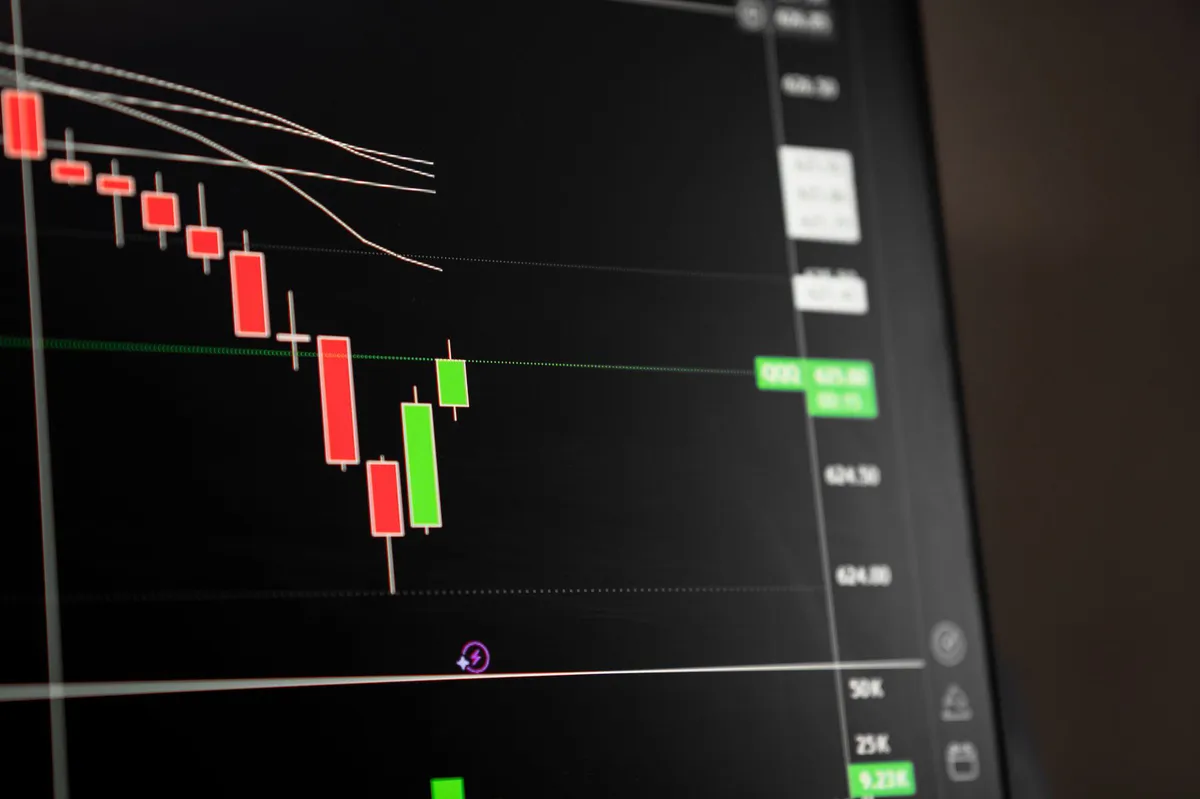
The dollar's journey has been marked by alternating trends of strength and weakness. To put the current dollar index situation into perspective, one must consider its historical performance:
- Long-term Trends: The dollar index has exhibited a bearish trend since its peak at 114.745 in September 2022, with lower highs and lower lows characterizing its trajectory.
- Recent Bullish Movements: After reaching a low of 95.44 in January 2026, the index rebounded and demonstrated a series of higher lows and highs throughout the year.
- Support and Resistance Levels: Key technical levels to monitor include the January 2021 low of 89.165 as a critical support point, and the September 2022 high of 114.745 as resistance.
These historical patterns reveal a complex interplay of factors that could influence the dollar's value moving forward. The dollar has dominated global trade as the world's reserve currency for over a century, a status that is not guaranteed to last indefinitely.
Potential Influencers: Politics and Global Events
The upcoming U.S. midterm elections are poised to affect the dollar index significantly. A shift in Congressional power could lead to changes in economic policies and regulatory frameworks that might alter the dollar's trajectory. The rise of Democratic Socialism within the party hints at potential changes in taxation, foreign policy, and regulatory structures, which could further complicate the dollar's standing.
Geopolitical Tensions and Trade Policies
In addition to domestic politics, international relations play a crucial role in shaping the dollar's future. Ongoing geopolitical tensions, especially between major powers, can lead to economic sanctions and trade barriers that may accelerate a trend toward de-dollarization. Countries exploring alternatives to the dollar for global trade—whether through the adoption of digital currencies or increased gold reserves—could weaken the dollar's dominance.
Investment Strategies: Navigating Uncertainty
For investors, the current state of the dollar index presents both risks and opportunities. Two exchange-traded funds (ETFs) that track the dollar index—Invesco DB U.S. Dollar Bullish Fund ETF (UUP) and Invesco DB U.S. Dollar Bearish ETF (UDN)—allow market participants to gain exposure to dollar movements without the complexities of futures trading.
Understanding UUP and UDN
Both UUP and UDN are designed to provide unleveraged exposure to the dollar index, allowing investors to hedge against potential fluctuations:
- UUP: Trading at approximately $28.20 per share, this fund had over $422.5 million in assets under management, with a management fee of 0.70%.
- UDN: Priced around $18.21 per share, UDN had nearly $92.6 million in assets under management, also carrying a management fee of 0.70%.
Investors should remain vigilant, as a break below the short-term technical support level of 97.425 could lead to further declines, testing the 2026 low of 95.44. Understanding the dollar's role as the pricing mechanism for commodities will also be crucial, as a weaker dollar typically leads to higher commodity prices, further fueling inflation and potentially leading to a cycle of devaluation.
Key Takeaways
- The dollar index is currently fluctuating between 99.00 and 99.50, reflecting uncertainty in the market.
- Historical patterns show alternating trends of strength and weakness for the dollar index, with key support and resistance levels at 89.165 and 114.745, respectively.
- Political changes and global economic tensions could significantly impact the future of the dollar as the world's reserve currency.
- Investment in dollar index ETFs like UUP and UDN offers a way to navigate potential volatility.
Frequently Asked Questions
What factors contribute to the dollar index's volatility?
The dollar index's volatility is influenced by a range of factors, including U.S. monetary policy, inflation rates, geopolitical tensions, trade policies, and changes in global economic power. As the world evolves, shifts in these dynamics can lead to rapid changes in the dollar's value against other currencies.
How can I invest in the dollar index?
Investors can gain exposure to the dollar index through futures contracts or by purchasing ETFs that track the index, such as UUP (bullish) and UDN (bearish). These investment vehicles offer a way to speculate on the dollar's movements without needing to engage in the complexities of the futures markets.
What does a declining dollar mean for everyday Americans?
A declining dollar can lead to higher prices for imported goods, contributing to inflation. This decrease in the dollar's purchasing power can affect everything from the cost of groceries to the price of gasoline, impacting the overall economic well-being of American households.
Is the dollar's status as a reserve currency threatened?
While the U.S. dollar has maintained its status as the world's primary reserve currency for over a century, historical patterns suggest that such dominance can shift. Emerging powers like China are exploring alternatives, and if significant changes occur in global trade dynamics, the dollar's status could be challenged.
Disclaimer: This content is educational, not financial advice.
Comments
5 Wealth-Building Stocks to Consider for Your Inheritance Strategy
As the Great Wealth Transfer unfolds, investing wisely in stocks can help ensure a lasting legacy for your children. Here are five stocks to consider for building wealth that can be passed on.

Related articles






Popular in Investing
- Navigating the Dismal Landscape of 2026's Worst-Performing ETFs
- Navigating the Turbulent Waters of Energy Markets: A Deep Dive
- Stablecoin Market Faces $10 Billion Decline — What It Means for Investors
- Cotton Futures Surge Despite Increased Production Forecasts
- Avantus Secures $525 Million for Major California Solar Project