Understanding the Impact of Recent Fed Rate Hike on the Stock Market
The Federal Reserve's recent decision to raise interest rates by 25 basis points has sent shockwaves through the stock market, leading to significant declines in major indices. This article delves into the implications of this rate hike for investors and the broader economy.
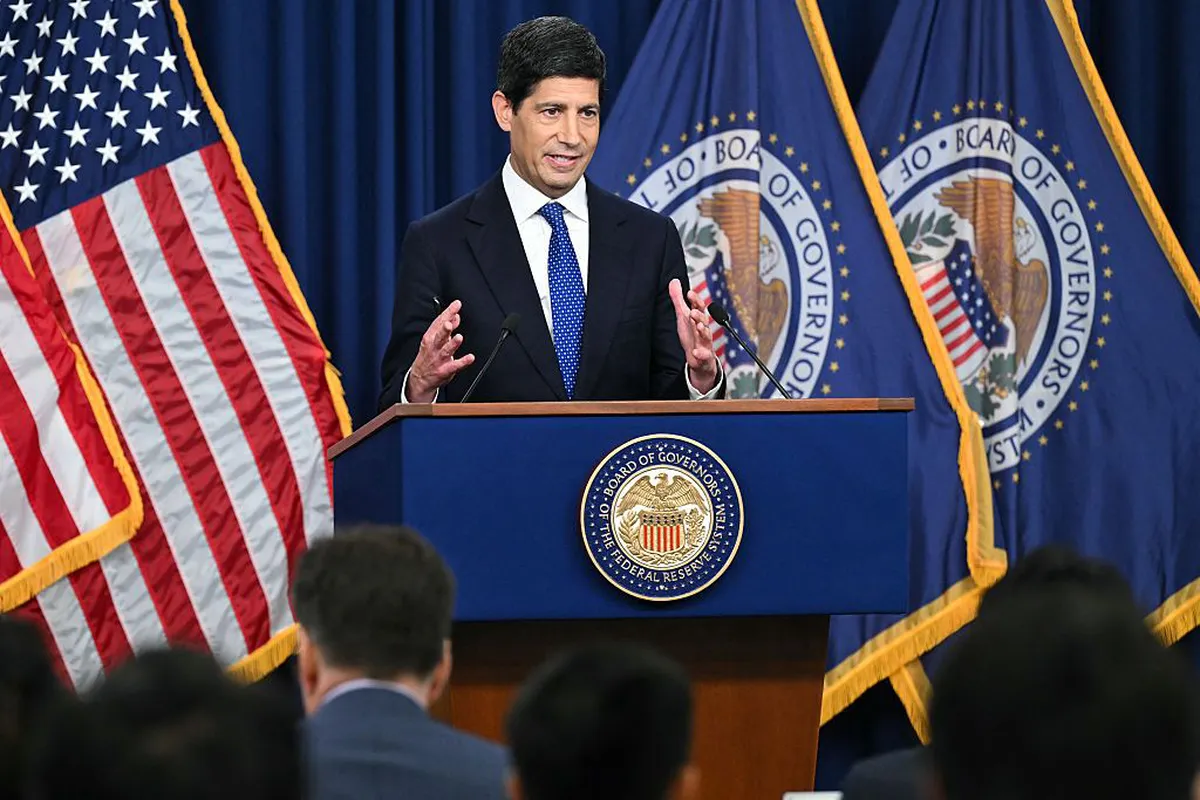
The financial world is buzzing following the Federal Reserve's recent decision to raise interest rates for the first time in three years, increasing the target federal funds rate by 25 basis points to a range of 3.75% to 4.00%. This pivotal moment was marked by a sharp decline in the stock market, with the Dow Jones Industrial Average dropping 631 points, or 1.2%, closing at 51,461. The tech-heavy Nasdaq Composite slipped slightly, while the S&P 500 experienced a 0.5% decrease. Fed Chair Kevin Warsh's announcement and subsequent press conference stirred both concern and analysis among investors, prompting questions about what this rate hike means for the economy and stock market moving forward.
The Context Behind the Rate Hike
Understanding the Federal Reserve's decision to increase interest rates requires examining the economic landscape. The FOMC (Federal Open Market Committee) cited a strong economic expansion despite rising uncertainties, particularly influenced by geopolitical tensions. Warsh emphasized the Fed's commitment to maintaining price stability, stating, "Inflation remains elevated," which is a significant concern for both consumers and policymakers.
The decision to hike rates reflects an effort to manage inflation, especially as domestic spending remains resilient and productivity shows strength. The expectation is that by increasing borrowing costs, consumer spending may slow, which can help alleviate inflationary pressures.

Market Reaction and Historical Precedents
The immediate response to the rate hike was a marked downturn in the stock market, which has historically reacted variably to such changes. LPL Financial's Chief Technical Strategist, Adam Turnquist, noted that after rate hikes that ended a prolonged pause, the S&P 500 has historically rebounded positively. For instance, the S&P 500 averaged a 5.5% gain over the next 12 months following similar rate hikes since 1972, even though there was an average drawdown of 9.4% during those periods.
Current Market Conditions
At present, the market is navigating through mixed signals. The recent uptick in retail sales, with a 1.2% increase in August, could indicate strong consumer confidence, yet it also raises concerns about persistent inflation. If consumer spending remains robust, the Fed may be compelled to continue tightening monetary policy, which could lead to further market volatility.
Sector-Specific Impacts
The aftermath of the rate hike has not been uniform across all sectors. Notably, J.B. Hunt Transportation Services (JBHT) experienced a significant decline of 13.3% in its stock value following an announcement about rising diesel costs impacting their earnings. Higher fuel prices, which have surged to record highs, are squeezing profit margins, prompting the company to adjust its earnings guidance downwards.
Investor Strategies Amid Rate Hikes
For investors, navigating a rising interest rate environment requires thoughtful strategy adjustments. Here are some key considerations:
- Reassess Portfolio Allocation: Consider reallocating investments towards sectors that historically perform well during rising rate environments, such as financials, which may benefit from higher interest margins.
- Focus on Quality: Emphasize high-quality stocks with strong balance sheets that can weather economic fluctuations and maintain profitability.
- Stay Informed: Keep abreast of Federal Reserve announcements and economic indicators, as these will significantly influence market movements and investment decisions.
Looking Ahead: What Investors Should Anticipate
As we move forward, investors should prepare for ongoing volatility in the stock market due to the uncertain path of monetary policy. The FOMC's quarterly Summary of Economic Projections suggests one more rate hike may occur this year, adding another layer of complexity for market participants.
While history shows that the stock market does not always react negatively to rate hikes, the current economic indicators, including inflation rates and consumer spending trends, will play a crucial role in shaping investor sentiment and market performance.
Key Takeaways
- The Federal Reserve's recent rate hike by 25 basis points marks its first increase in three years.
- The stock market responded negatively, with major indices experiencing significant declines.
- Historical data suggests that markets can rebound positively following rate hikes, but volatility is expected.
- Sector-specific impacts, particularly in transportation and consumer goods, will vary as companies adjust to higher operational costs.
- Investors should reassess their strategies in light of changing economic conditions and stay informed about Federal Reserve policies.
Frequently Asked Questions
What does a rate hike mean for consumers?
A rate hike generally leads to higher borrowing costs for consumers, which can affect loans, credit cards, and mortgages. For instance, if the Fed raises rates, the interest on a new mortgage could increase, leading to higher monthly payments for homebuyers. This can also impact consumer spending, as individuals may prioritize debt repayment over discretionary spending, potentially slowing economic growth.
How do interest rate changes affect the stock market?
Interest rate changes influence the stock market by altering the cost of capital for businesses. Higher rates can lead to lower profitability for companies that rely on borrowing, which can, in turn, affect stock prices negatively. Conversely, sectors like financial services may benefit from higher rates as they can charge more for loans, potentially leading to increased earnings.
What should investors focus on during rate hikes?
During periods of rising interest rates, investors should focus on quality stocks with strong fundamentals and consider diversifying their portfolios to mitigate risk. It may also be prudent to look at sectors that typically perform well in a high-rate environment, such as financials and utilities, while being cautious with high-debt companies that may struggle to operate profitably with increased borrowing costs.
Will inflation continue to rise despite rate hikes?
While rate hikes are intended to combat inflation, the relationship is not always straightforward. Inflation can be influenced by a variety of factors, including supply chain disruptions and consumer demand. If demand remains high despite increased rates, inflation may persist. Therefore, while the Fed's actions can help moderate inflation over time, external factors will also play a significant role in determining future inflation rates.
Disclaimer: This content is educational, not financial advice.
Comments
5 Wealth-Building Stocks to Consider for Your Inheritance Strategy
As the Great Wealth Transfer unfolds, investing wisely in stocks can help ensure a lasting legacy for your children. Here are five stocks to consider for building wealth that can be passed on.

Related articles




Popular in Investing
- Navigating the Dismal Landscape of 2026's Worst-Performing ETFs
- Navigating the Turbulent Waters of Energy Markets: A Deep Dive
- Stablecoin Market Faces $10 Billion Decline — What It Means for Investors
- Cotton Futures Surge Despite Increased Production Forecasts
- Avantus Secures $525 Million for Major California Solar Project