Salesforce Faces Downgrades: Analyzing the AI Challenges Ahead
Salesforce recently experienced simultaneous downgrades from multiple research firms, raising questions about its AI product, Agentforce. This article explores the implications for investors and the company's future.
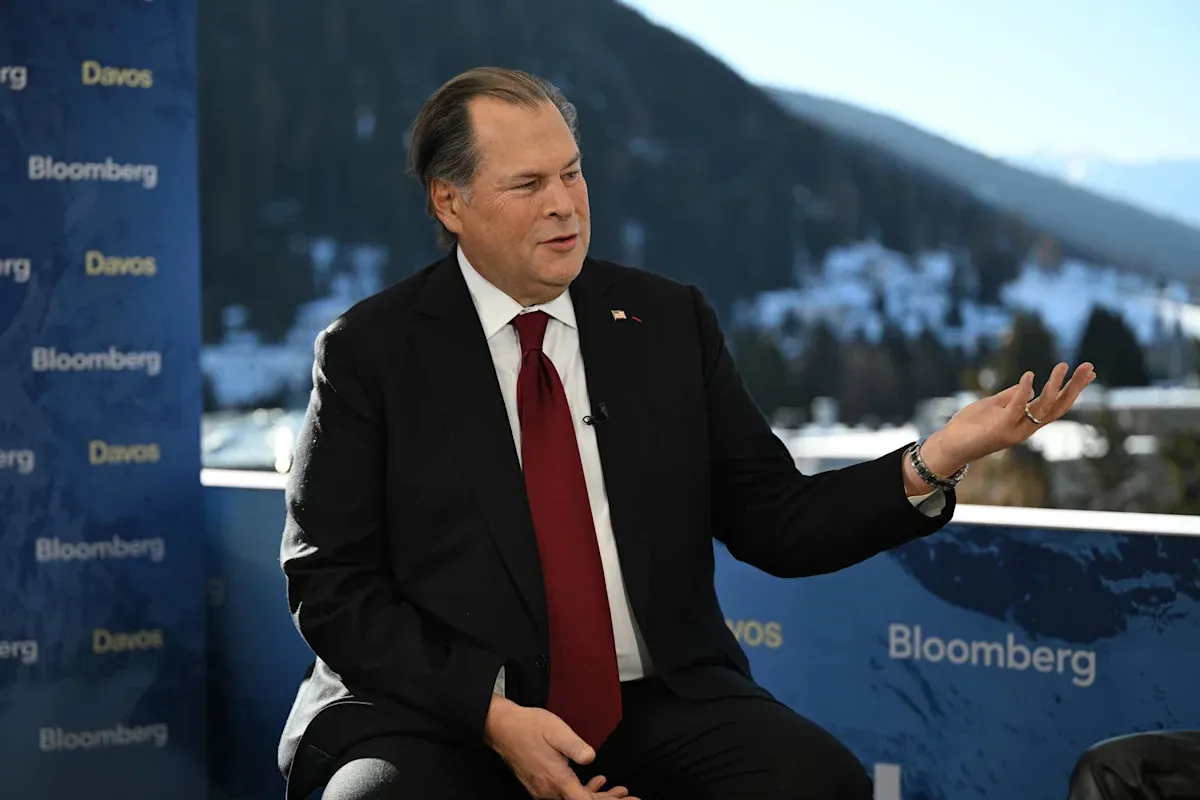
Salesforce, a leading player in customer relationship management (CRM) software, has recently found itself facing scrutiny from the investment community like never before. On July 9, 2026, both KeyBanc Capital Markets and Bernstein downgraded Salesforce’s stock to a hold rating, which is a rare occurrence for such a prominent company. The news sent ripples through the market, with Salesforce shares dropping as much as 4% before stabilizing. This double blow raises significant questions about the company’s AI ambitions, particularly its flagship product, Agentforce, and what it means for current and potential investors.
Understanding the reasons behind these downgrades is crucial for anyone holding or considering Salesforce stock. Analysts are primarily concerned about the slower-than-expected adoption of Agentforce, a product that CEO Marc Benioff has staked the company's future on. With the AI landscape rapidly evolving and competition intensifying, Salesforce's ability to effectively roll out this product could significantly impact its market position and financial performance.
The Current State of Salesforce’s AI Initiative
Agentforce represents Salesforce's bold foray into the realm of artificial intelligence (AI). Unlike traditional software that simply executes tasks upon user commands, Agentforce is designed to function autonomously, carrying out tasks that would typically require human intervention. This shift is intended to reduce the number of user licenses that clients need to purchase, which in theory could make Salesforce's offerings more attractive. However, this model comes with its own set of challenges, primarily related to the underlying data management capabilities of Salesforce's customers.
Customer Challenges with Implementation
KeyBanc analyst Jackson Ader highlighted a significant concern: many companies lack the organized customer data necessary for Agentforce to function effectively. This disarray means that even if the product is technologically robust, companies may not be ready to utilize it effectively. A recent survey indicated that a larger number of Chief Information Officers (CIOs) plan to cut their spending on Salesforce products, rather than increase it, which further complicates the company's growth narrative.

The Financial Implications of the Downgrades
Both KeyBanc and Bernstein's downgrades to a 'Sector Weight' rating reflect a cautious stance towards Salesforce's growth trajectory. Historically, Salesforce has operated on a per-user pricing model, which has generated substantial revenue for the company. However, with Agentforce's potential to automate tasks, customers may find themselves needing fewer user licenses, which could lead to a decrease in revenue from new user acquisitions.
Moreover, the current economic climate adds another layer of complexity. As companies reassess their budgets in response to economic pressures, Salesforce might see a slowdown in new customer acquisitions as firms prioritize essential spending over software enhancements.
Salesforce’s Financial Performance
Despite these challenges, Salesforce recently reported its first-quarter fiscal results for 2027, showcasing a 205% year-over-year increase in Agentforce's annual recurring revenue, reaching $1.2 billion. Overall revenue rose by 13% to approximately $11.1 billion, and the company set record operating margins. However, the discrepancy between these positive metrics and the analysts' cautious outlook indicates a potential disconnect between sales figures and customer satisfaction or readiness to adopt new technology.
What Investors Should Monitor Going Forward
For investors, the key questions now revolve around the viability of Agentforce as a growth engine. Will Salesforce be able to turn the promise of AI into tangible revenue, or will the challenges it faces hinder its potential? Here are several factors investors should keep an eye on:
- New Sales Contracts: Look for signed contracts that are expected to convert into revenue over the next year, ideally growing in the mid-teens or higher.
- Agentforce Revenue Growth: Monitor whether Agentforce revenue continues to grow beyond the $1 billion mark and if this growth comes from new customers rather than upselling existing clients.
- Company Guidance: Pay attention to any guidance Salesforce provides in its next earnings report and whether it beats Wall Street expectations.
With the stock having dropped approximately 37% this year, Salesforce currently trades at about 19 times earnings, making it more affordable compared to its historical valuations. However, the downgrades serve as a reminder that simply being inexpensive does not guarantee a rebound in investor confidence.
Key Takeaways
- Salesforce received simultaneous downgrades from KeyBanc and Bernstein, signaling cautious sentiment towards its growth prospects.
- The company's AI initiative, Agentforce, is facing adoption challenges due to customer data management issues.
- Investors should monitor new sales contracts, revenue growth from Agentforce, and the next earnings report for insights into Salesforce's trajectory.
- Despite a significant drop in stock price, the company remains a critical player in the CRM space with a strong foundation.
Frequently Asked Questions
What does the downgrade from KeyBanc and Bernstein mean for Salesforce investors?
The downgrades indicate that analysts are skeptical about Salesforce’s immediate growth potential, particularly regarding its AI product, Agentforce. Investors should be cautious and consider the challenges highlighted by analysts before making any decisions about buying or selling the stock.
How significant is the Agentforce product to Salesforce’s future?
Agentforce is central to Salesforce's strategy for growth over the next decade, as it aims to automate tasks traditionally performed by humans. However, the effective deployment of this technology is crucial, and the current slow adoption rates raise concerns about its future viability as a revenue driver.
What should I look for in Salesforce's next earnings report?
Investors should look for signs of growth in new customer acquisitions, particularly revenue from Agentforce. Additionally, any guidance provided by the company regarding future expectations will be critical in assessing whether Salesforce can regain investor confidence.
Is Salesforce still a good investment after the downgrades?
While the downgrades reflect a cautious outlook, Salesforce's established market position and relatively low stock price may still present an opportunity for investors. However, potential buyers should conduct thorough research and consider the risks associated with the company's current challenges.
This content is educational, not financial advice.
Comments
Investing Smart: Why ArcelorMittal is a Top Stock Under $100
ArcelorMittal (MT) is emerging as a noteworthy investment option under $100, thanks to its strategic share buyback program and commitment to sustainability. This article explores its market position, financial performance, and what investors should consider before diving in.

Related articles






Popular in Investing
- Navigating the Dismal Landscape of 2026's Worst-Performing ETFs
- Navigating the Turbulent Waters of Energy Markets: A Deep Dive
- Stablecoin Market Faces $10 Billion Decline — What It Means for Investors
- Cotton Futures Surge Despite Increased Production Forecasts
- Avantus Secures $525 Million for Major California Solar Project