Parker-Hannifin Corporation: An In-Depth Stock Analysis and Forecast
Explore the financial health and stock outlook of Parker-Hannifin Corporation (PH), a leader in motion and control technologies. Learn about dividend growth, market trends, and investment strategies for the second half of 2026.
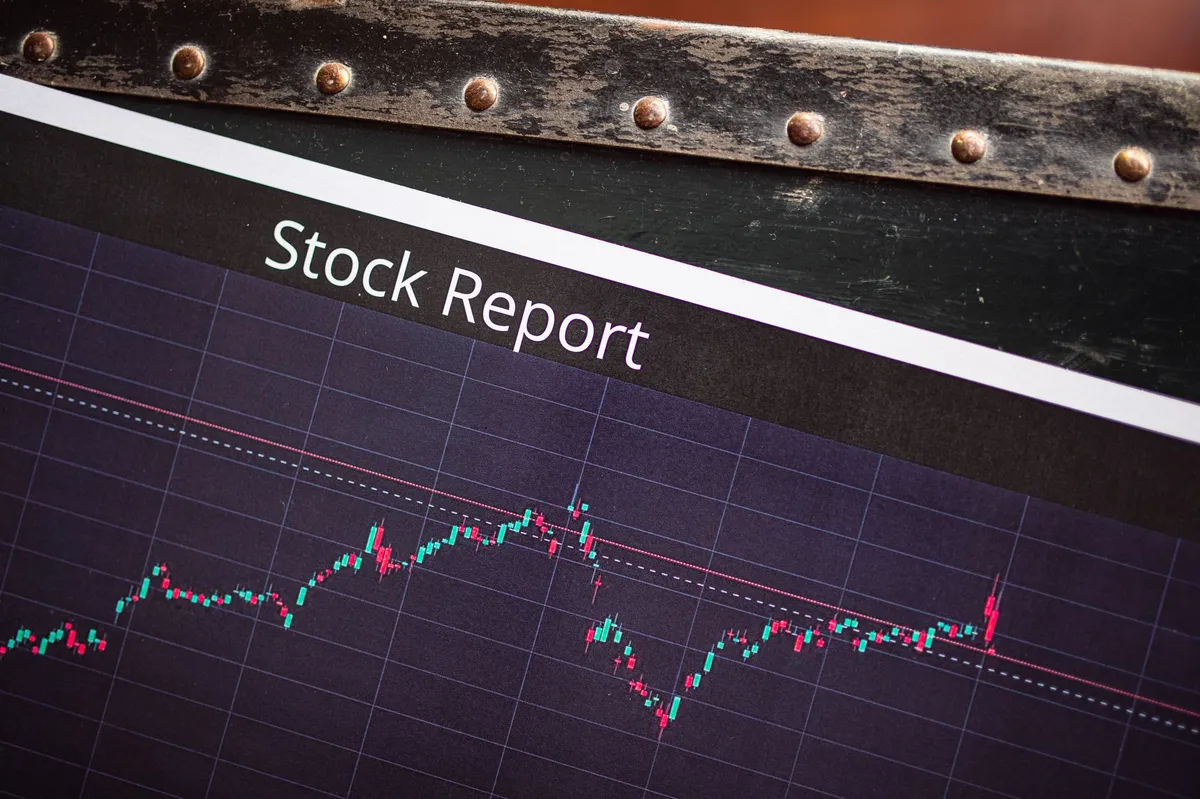
Parker-Hannifin Corporation (PH), renowned for its innovative solutions in motion and control technologies, has garnered attention from investors as we approach the second half of 2026. With a history of strong performance and a commitment to shareholder returns, Parker-Hannifin stands out in the industrial sector. As market volatility continues to influence investor sentiment, understanding Parker-Hannifin’s financial health, dividend growth potential, and overall market positioning becomes crucial.
In this article, we will delve into Parker-Hannifin's current stock outlook, the implications of its dividend policies, and the broader economic factors affecting its market performance. We aim to provide you with a comprehensive understanding of what makes Parker-Hannifin a compelling investment opportunity and how its strategies align with market trends.
Understanding Parker-Hannifin's Business Model
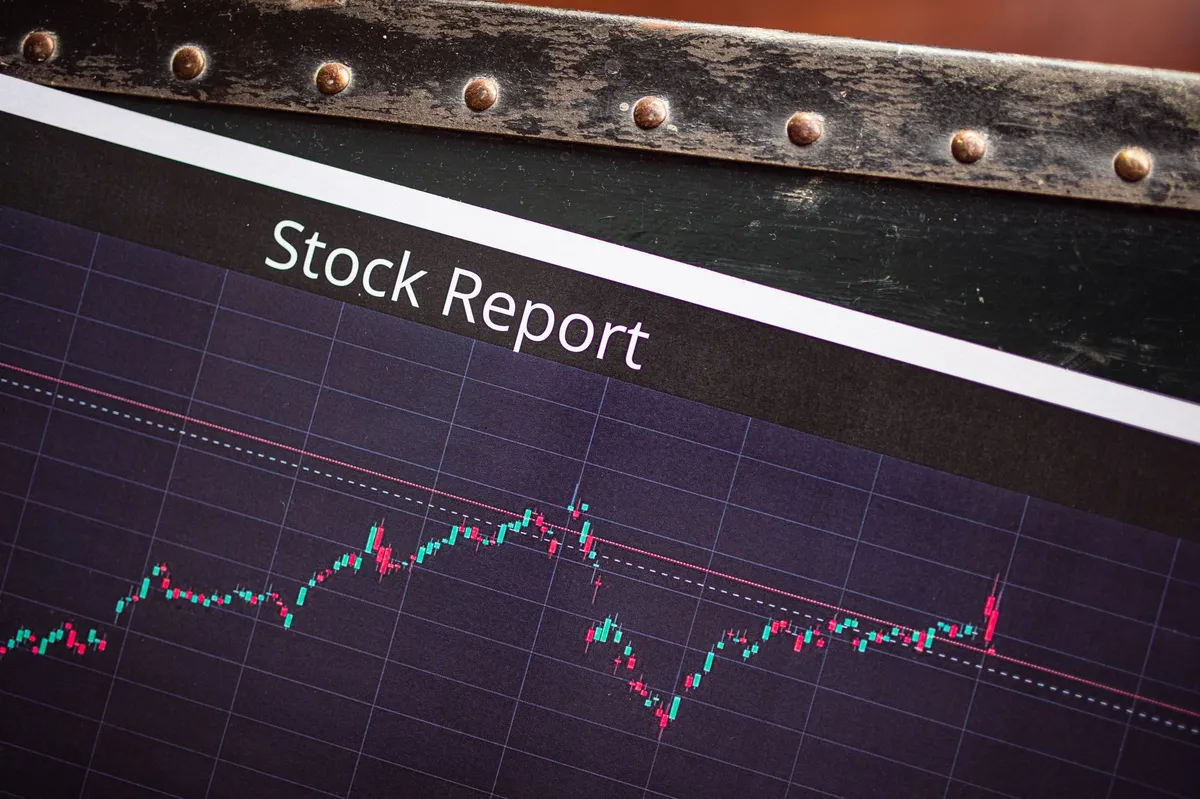
Parker-Hannifin operates in a diverse range of sectors, including aerospace, industrial, and automotive markets. This diversification not only spreads risk but also positions the company to capitalize on various industry trends. The company manufactures components and systems that enhance productivity and efficiency in complex machinery and equipment.
Market Segments and Their Impact
The following segments are critical to Parker-Hannifin's revenue generation:
- Aerospace Systems: Supplies aircraft manufacturers with hydraulic systems and components.
- Industrial Automation: Provides solutions for automated systems, contributing to the growing demand for efficiency in manufacturing.
- Climate Control: Focuses on energy-efficient systems, meeting the increasing regulatory demands for sustainability.
This multi-faceted approach allows Parker-Hannifin to remain resilient amid economic fluctuations, making it an attractive option for long-term investors.
Dividend Growth: A Cornerstone of Investment Strategy
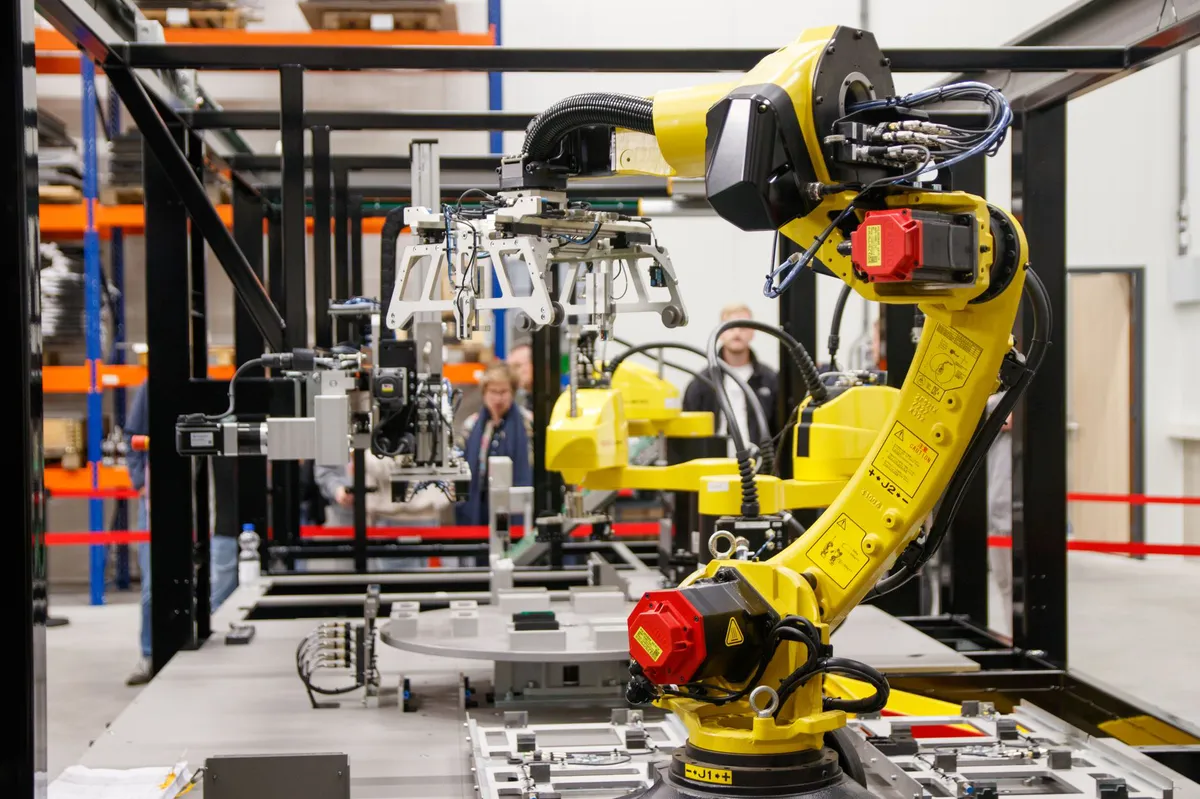
As we enter the second half of 2026, Parker-Hannifin's commitment to dividend growth stands as a critical pillar of its investment strategy. Companies that consistently increase dividends serve as reliable indicators of financial stability and shareholder value. Parker-Hannifin has a strong track record, having raised dividends for 66 consecutive years, positioning itself among the elite Dividend Aristocrats.
The Importance of Dividend Growth
Investors often view dividend growth as a sign of a company's financial health. Here are three key signals that consistently rising dividends send to the market:
- Financial Stability: A company that can afford to increase dividends demonstrates robust cash flow and solid earnings.
- Management Confidence: Increasing dividends often reflects management's confidence in future earnings and business prospects.
- Attractive Investment Proposition: For income-focused investors, consistent dividend growth can be a compelling reason to invest, particularly when market volatility creates uncertainty.
As Parker-Hannifin continues its dividend strategy, investors should consider how this aligns with their long-term financial goals.

Market Trends Influencing Parker-Hannifin's Performance
The broader economic landscape influences Parker-Hannifin's stock performance. Understanding these market trends can help investors gauge the company's potential for growth. Some significant factors include:
1. Economic Recovery and Infrastructure Spending
Post-pandemic economic recovery has led to increased infrastructure spending. The U.S. government has committed to significant investments in infrastructure, which benefits companies like Parker-Hannifin by boosting demand for its products and services.
2. Energy Transition and Sustainability Initiatives
The shift towards renewable energy and sustainable practices is reshaping industries. Parker-Hannifin’s focus on climate control technologies aligns with these trends, positioning the company for growth as businesses pivot to greener solutions.
3. Supply Chain Resilience
Ongoing supply chain challenges have prompted companies to reevaluate their suppliers and logistics. Parker-Hannifin's established relationships and reputation for reliability may give it an edge as companies seek stable partnerships.
Investment Risks to Consider
While Parker-Hannifin presents a compelling investment opportunity, potential investors must also consider the associated risks:
- Market Volatility: Economic uncertainties can lead to stock price fluctuations, impacting investor sentiment.
- Global Supply Chain Disruptions: Continued disruptions could affect production and delivery timelines.
- Regulatory Changes: Changes in environmental regulations could impact operational costs and profitability.
Being aware of these risks allows investors to make informed decisions regarding their portfolio allocations.
Key Takeaways
- Parker-Hannifin's diversified business model enhances its resilience in fluctuating markets.
- Consistent dividend growth signifies financial stability and management confidence.
- Broader economic trends, such as infrastructure spending and sustainability, favor Parker-Hannifin's growth potential.
- Investors should consider both opportunities and risks when evaluating Parker-Hannifin as an investment.
Frequently Asked QuestionsWhat is Parker-Hannifin Corporation's main business focus?
Parker-Hannifin Corporation specializes in motion and control technologies, providing components and systems across various industries, including aerospace, industrial automation, and climate control. Its diversified approach allows it to meet the needs of different sectors effectively.
How has Parker-Hannifin's dividend policy evolved over the years?
Parker-Hannifin has a remarkable history of increasing its dividends for 66 consecutive years, making it a Dividend Aristocrat. This consistent growth in dividends reflects the company's strong financial health and commitment to returning value to shareholders, which is crucial for income-focused investors.
What are the main risks associated with investing in Parker-Hannifin stock?
Investing in Parker-Hannifin carries risks related to market volatility, global supply chain disruptions, and potential regulatory changes. Investors should remain vigilant about these factors and assess how they might impact the company's performance and stock price.

Is Parker-Hannifin a good investment for long-term growth?
Given its robust business model, consistent dividend growth, and alignment with positive market trends, Parker-Hannifin presents a strong case for long-term investment. However, potential investors should also analyze their financial goals and risk tolerance before making investment decisions.
Disclaimer: The content is educational, not financial advice.
Comments
Navigating the Tipping Point in U.S. Cattle Markets: Insights and Implications
The U.S. cattle market is at a critical juncture, marked by contrasting trends in live and feeder cattle sectors. This article examines the underlying factors at play, the potential impacts of political decisions, and what stakeholders should be aware of moving forward.

Related articles







Popular in Investing
- Navigating the Dismal Landscape of 2026's Worst-Performing ETFs
- Navigating the Turbulent Waters of Energy Markets: A Deep Dive
- Stablecoin Market Faces $10 Billion Decline — What It Means for Investors
- Cotton Futures Surge Despite Increased Production Forecasts
- Avantus Secures $525 Million for Major California Solar Project