Forward Air Secures Key Customer Deal Amid Strategic Shift
Forward Air has secured a deal to retain a significant portion of a $250 million account, alleviating potential revenue loss. As it navigates a strategic shift, the company aims to bolster its financial stability while maintaining vital customer relationships.
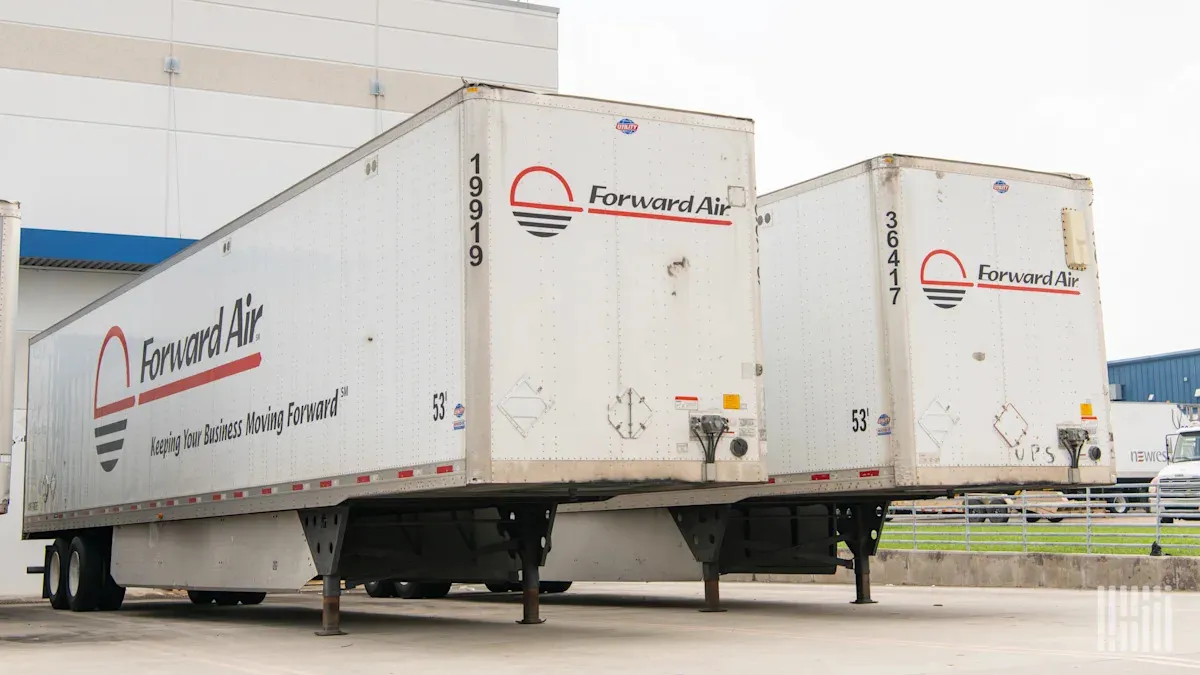
In a significant turn of events for the logistics giant Forward Air, the company announced a new agreement that will allow it to retain at least 50% of a crucial $250 million customer account. This deal comes on the heels of a warning from the customer that they might diversify their vendor list, which sent Forward's shares tumbling by over 40%. However, the recent memorandum of understanding has shifted the narrative, providing Forward with much-needed stability and a potential financial lifeline.
Forward Air's situation underscores the delicate balance that businesses must maintain in their customer relationships, especially in the logistics and transport sector, where a single client can account for a significant chunk of revenue. The company has faced mounting pressure from investors and operational challenges, prompting a strategic review that includes the sale of non-core businesses. This article will explore the implications of this deal, the strategic shifts within Forward Air, and the broader context of the logistics industry.

The Financial Impact of Losing a Major Client
Before this recent agreement, the potential loss of this major customer, which accounted for approximately 10% of Forward Air's annual revenue, posed a serious threat to the company’s financial health. The customer had indicated a desire to expand its vendor relationships, which could have translated into a significant revenue drop for Forward. The impact on Forward's share price was immediate; after the initial warning, shares plummeted, highlighting how susceptible companies can be to the whims of a single client.
Understanding the Revenue Dynamics
When a company relies heavily on a small number of clients for its revenue, it becomes vulnerable to fluctuations in those relationships. For Forward Air, the $250 million account was pivotal, and losing a portion of that revenue could have hampered its ability to invest in growth and pay down debt. The new agreement allows for the retention of at least half of this account, with the possibility of increasing that share to 75% over time.
This retention is crucial as Forward Air looks to stabilize its balance sheet, particularly given its net debt of $1.65 billion, which stood at 5.4 times its adjusted EBITDA at the end of the first quarter. The company’s ability to generate cash flow and manage its debt is paramount, especially as it embarks on a strategy to sell its intermodal unit and two smaller legacy Omni businesses, which collectively generated $394 million in revenue last year.

Strategic Review and Business Realignment
Forward Air's recent strategic review, initiated in early 2025, reflects a broader trend in the logistics industry where companies are reassessing their core operations and customer bases. The decision to sell off its intermodal unit and other businesses indicates a shift towards focusing on more profitable segments. This is a calculated move intended to streamline operations and improve financial performance.
Why Sell Non-Core Businesses?
By divesting from certain segments, Forward Air aims to enhance its liquidity and reduce leverage, which is critical in a competitive industry where margins can be razor-thin. The proceeds from these sales are expected to be funneled into reducing debt, which has become a pressing issue for the company.
Key reasons for selling non-core businesses include:
- Improved financial health: Reducing debt can alleviate pressure on cash flow.
- Focus on core competencies: By concentrating on its most profitable services, Forward can enhance operational efficiency.
- Mitigating risks: A diverse client base reduces vulnerability to the loss of any single customer.
The Broader Logistics Landscape
The logistics industry is currently undergoing significant changes, driven by factors such as e-commerce growth, supply chain disruptions, and increasing demand for reliable transportation solutions. Companies like Forward Air must navigate these challenges while ensuring they maintain strong relationships with their customers.
The emphasis on vendor reliability has never been more pronounced. As businesses strive to streamline operations, they often turn to fewer suppliers, creating both opportunities and risks. For Forward, retaining a large client amid a backdrop of vendor diversification is a testament to its service quality and operational capabilities.
Service Strategy and Long-Term Relationships
Forward Air’s ability to maintain this crucial relationship speaks volumes about its service strategy. The company’s president and CEO, Shawn Stewart, highlighted the longstanding relationship with the customer as a foundation for the new agreement. Such relationships are built on trust and consistent performance, which can make a significant difference in times of uncertainty.
In an industry where customer expectations are continually evolving, logistics firms must prioritize service excellence as they work to retain existing clients and attract new ones. Forward's commitment to delivering exceptional service is evident in its efforts to extend the contract with its largest customer.

Looking Ahead: What’s Next for Forward Air?
As Forward Air moves forward with its strategic plan, the new agreement with its major customer provides a solid foundation for stability. However, the company must continue to address its debt levels and navigate the complexities of the logistics market.
Investors will be watching closely to see how the company executes its sales strategy and whether it can successfully maintain and build upon its customer relationships. The logistics sector is evolving rapidly, and Forward Air's ability to adapt will play a critical role in its long-term success.
Key Takeaways
- Forward Air retains at least 50% of a $250 million account, alleviating financial concerns.
- The company is selling non-core businesses to improve financial stability and reduce debt.
- Maintaining strong customer relationships is essential for success in the logistics industry.
- Market dynamics are shifting, necessitating a focus on service excellence and operational efficiency.
Frequently Asked Questions
What does the agreement with the customer entail?
The agreement allows Forward Air to retain at least 50% of a significant $250 million account, with the potential to increase that retention to 75%. This ensures that Forward can maintain a vital revenue stream while continuing to provide services to the customer.
Why is Forward Air selling its intermodal unit and other businesses?
Forward Air is pursuing the sale of its intermodal unit and two smaller legacy Omni businesses as part of a strategic review aimed at improving its financial health. The proceeds from these sales will be used to reduce debt and streamline operations, allowing the company to focus on its core competencies.
How does the logistics industry impact Forward Air's operations?
The logistics industry is highly dynamic, with factors like e-commerce growth and supply chain disruptions influencing operational strategies. For Forward Air, maintaining customer relationships and adapting to market changes are critical for sustaining profitability and growth.
What should investors watch for regarding Forward Air's future?
Investors should keep an eye on how Forward Air executes its strategic plan, particularly the sales of non-core businesses and the retention of key customer accounts. Additionally, monitoring the company's debt levels and overall financial performance will be crucial in assessing its stability and growth prospects.
Disclaimer: This content is educational and not financial advice.
Comments
Navigating Wealth After a Business Sale: The Power of Dividend Growth
Selling a business often leads to a financial void. Discover how dividend growth strategies can bridge the gap and align your investments with your lifestyle needs.

Related articles







Popular in Investing
- Navigating the Dismal Landscape of 2026's Worst-Performing ETFs
- Navigating the Turbulent Waters of Energy Markets: A Deep Dive
- Stablecoin Market Faces $10 Billion Decline — What It Means for Investors
- Cotton Futures Surge Despite Increased Production Forecasts
- Avantus Secures $525 Million for Major California Solar Project