GE Vernova's Stock Decline Amidst AI-Driven Growth and Wind Segment Struggles
GE Vernova faces a 5% stock drop despite strong demand in AI-driven orders and a significant revenue forecast increase, primarily due to challenges in its wind segment.
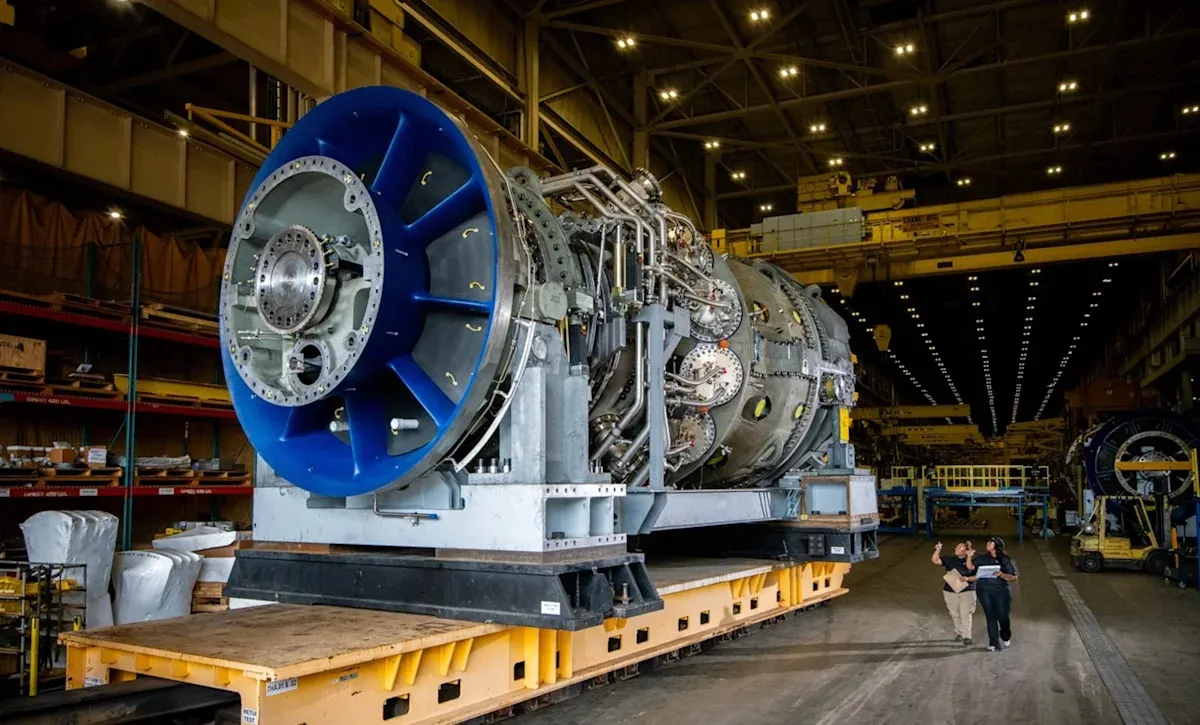
In the fast-paced world of stock trading, even positive news can lead to unexpected market reactions. GE Vernova, a prominent player in the gas turbine and electrification sector, witnessed a notable 5% drop in its stock price during premarket trading on July 22, 2026. This decline seems counterintuitive given the company’s recent surge in orders, especially those driven by artificial intelligence (AI), and an upward revision in its revenue forecast. However, the weight of struggles in its wind segment has cast a shadow over the company’s overall performance.
For investors and market watchers, the situation presents a complex picture. While the company is experiencing growth in various areas, the challenges faced in its wind operations are significant enough to impact stock sentiment. This article delves deeper into the factors influencing GE Vernova's stock, the implications of its quarterly results, and what investors should consider moving forward.
Understanding the Market Reaction
The immediate response to GE Vernova's quarterly results highlights a crucial aspect of stock market behavior: investor sentiment can often react more sharply to potential pitfalls than to the positives. The company's earnings report indicated a revenue beat—a reflection of increased orders and strong performance in its power and electrification segments. GE Vernova’s CEO, Scott Strazik, reported a backlog of $176 billion, an impressive figure that suggests robust future growth prospects.
Revised Financial Guidance
In light of the current performance, GE Vernova has raised its revenue guidance for the year to a range of $45.5 billion to $46.5 billion, up from a previous forecast of $44.5 billion to $45.5 billion. This adjustment signals confidence in the company’s operational momentum, supported by significant free cash flow generation and margin expansion.

Segment Performance: The Mixed Bag
Despite the positive news from the overall revenue growth, the wind segment's poor performance cannot be overlooked. New orders in this area plummeted by 40%, driven by increased costs associated with offshore projects. This stark contrast in performance among segments illustrates the volatility and risks inherent in the renewable energy market, particularly as companies strive to balance traditional energy production with the demands of a shifting energy landscape.
The Power and Electrification Surge
On a brighter note, GE Vernova's Power and Electrification segment has been a standout performer. Orders surged by an astounding 88% to reach $24.2 billion, fueled by the growing demand for energy solutions to support the burgeoning AI infrastructure and the trend of onshoring manufacturing. This part of the business has positioned GE Vernova as a key player, often referred to as the “supermarket” for the electric power industry, providing a comprehensive array of products and services.
The Wind Segment: Challenges Ahead
Despite the overall growth, the struggles within the wind segment raise important questions for investors. The wind sector is critical for GE Vernova's long-term strategy, especially as global efforts intensify to transition towards renewable energy sources. The decline in orders and the rising costs associated with offshore projects indicate that the company may need to reassess its approach in this area.
Broader Market Context
Understanding the broader context of the energy market is essential to grasp the implications of GE Vernova's struggles. The demand for renewable energy is growing, but it comes with challenges. Increased competition, regulatory pressures, and the need for technological advancements are just a few hurdles that companies like GE Vernova must navigate. These dynamics can affect not only order volumes but also project profitability.

Investor Implications: What to Watch For
For investors, the current landscape presents a mixed bag of opportunities and challenges. Here are some key factors to consider:
- Monitoring Segment Performance: Keep a close eye on the performance of both the Power and Electrification segment and the wind unit. Fluctuations in orders and costs can significantly impact overall revenue and profit margins.
- Evaluating Management's Strategy: Assess how GE Vernova’s management addresses the challenges within its wind operations. Strategic pivots or adjustments may be necessary to enhance performance in this critical area.
- Market Trends and Demand: Stay informed about industry trends, particularly in relation to AI and manufacturing onshoring, as these factors directly influence the demand for GE Vernova’s offerings.
- Long-Term Outlook: While short-term stock volatility can be concerning, consider the long-term growth potential of the company, particularly as it continues to build a substantial backlog.

Key Takeaways
- GE Vernova's stock dropped 5% despite strong revenue growth and a surge in orders.
- The company raised its revenue guidance for 2026, expecting between $45.5 billion and $46.5 billion.
- Wind segment struggles, with a 40% drop in new orders, are a significant concern.
- Power and Electrification segment orders increased by 88%, highlighting strong demand.
- Continued monitoring of segment performance and market trends is crucial for investors.
Frequently Asked Questions
What are the main reasons for GE Vernova's stock drop?
GE Vernova’s stock fell primarily due to disappointing performance in its wind segment, which saw a dramatic drop in new orders. Despite impressive growth in its Power and Electrification segment and an overall revenue beat, investor sentiment was negatively influenced by the struggles in the wind unit, leading to a decline in stock price.
How does the wind segment impact GE Vernova's overall performance?
The wind segment is critical to GE Vernova's long-term strategy as it seeks to capitalize on the global shift towards renewable energy. A decline in orders and rising project costs can significantly affect the company’s revenue and profitability, making it essential for management to address these challenges effectively.
What factors should investors consider when evaluating GE Vernova?
Investors should consider the overall performance of GE Vernova’s segments, particularly the contrast between the booming Power and Electrification segment and the struggling wind unit. Additionally, monitoring market trends, management strategy, and long-term growth potential will provide insight into the company’s future trajectory.
What is the outlook for GE Vernova going forward?
The outlook for GE Vernova hinges on its ability to navigate challenges within its wind segment while continuing to capitalize on growth in its Power and Electrification segment. With a substantial backlog and revised revenue guidance, there are opportunities for long-term growth, but investors must remain vigilant to changes in market conditions and company performance.
This content is educational and not financial advice.
Comments
Utz Brands Soars 89% Following $2.9 Billion Merger Deal
Utz Brands Inc. saw its stock price skyrocket by 89% after announcing a $2.9 billion merger with Germany's Intersnack Group. This article explores the implications of the deal, investor reactions, and what this means for the future of Utz Brands.

Related articles






Popular in Investing
- Navigating the Dismal Landscape of 2026's Worst-Performing ETFs
- Navigating the Turbulent Waters of Energy Markets: A Deep Dive
- Stablecoin Market Faces $10 Billion Decline — What It Means for Investors
- Cotton Futures Surge Despite Increased Production Forecasts
- Avantus Secures $525 Million for Major California Solar Project