Navigating the New Age of Investing Apps: Opportunities and Pitfalls
Investing has never been more accessible, thanks to modern apps that simplify the process. However, this ease comes with emotional risks and hidden costs that can impact your financial goals. Discover how to navigate this paradox and invest smarter.

In the ever-evolving landscape of personal finance, investing has transformed into something almost synonymous with convenience. With just a few taps on a smartphone screen, anyone can purchase stocks, ETFs, or cryptocurrencies, often without incurring any commissions or meeting minimum balance requirements. Yet, this technological advancement presents a paradox: while investing feels easier than ever, the emotional and financial risks associated with it have escalated dramatically. Understanding how to leverage these apps responsibly is crucial for building a stable financial future.
The rise of mobile investment platforms has democratized access to capital markets, enabling individuals from various backgrounds to engage in wealth-building activities. However, this ease of access can lead to impulsive trading behaviors and a lack of long-term strategy. As the line between investing and gambling continues to blur, it’s essential to be equipped with the right knowledge and tools to navigate this new terrain.
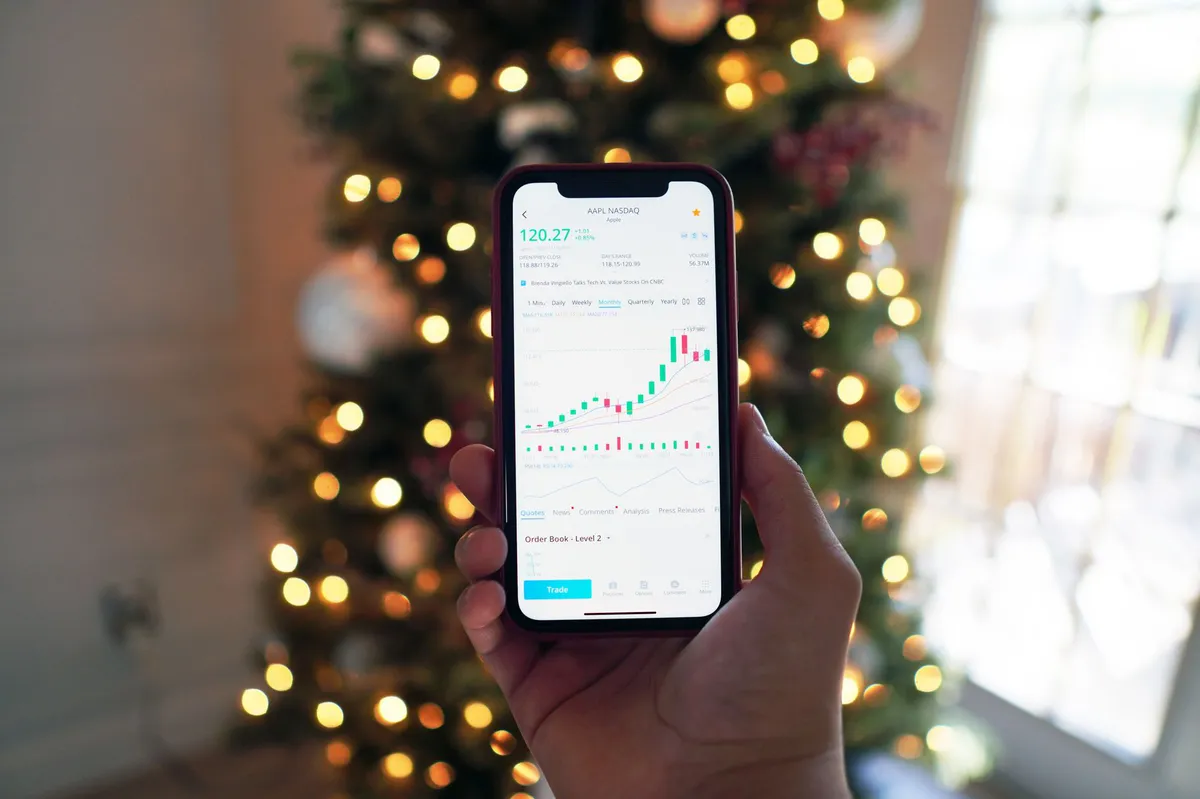
The Double-Edged Sword of Convenience
Modern investment applications have made it incredibly simple to buy and sell securities. Users can choose from a plethora of investment options, execute trades within seconds, and even receive real-time updates on market movements. However, the very features that make these apps appealing can also lead to poor investment decisions.
Emotional Trading: The New Norm
One of the most significant risks that investors face today is emotional trading — making decisions based on feelings rather than rational analysis. The gamified interfaces of many investing apps, complete with animations and celebratory notifications for trades, can trigger impulsive behavior. Research shows that investors who act on emotion tend to have worse outcomes compared to those who stick to a disciplined strategy.
Understanding Brokerages and Their Incentives
To fully grasp the investing landscape, it's crucial to understand how brokerages operate and make money. While many platforms advertise zero trading commissions, the reality is often more complex. Brokerages frequently engage in a practice known as payment for order flow (PFOF), where they sell your trade orders to market makers in exchange for a fee. This means that even though you may not see a direct cost on your trade confirmation, PFOF can erode your investment returns by pocketing a slice of the profits from your trades.
Cost Transparency: A Fundamental Need
As investors, transparency should be a priority when choosing a brokerage. Here are some key factors to consider:
- Explicit Costs: Look for platforms that clearly display trading fees, account maintenance costs, and other charges.
- Opaque Costs: Be wary of brokerages that do not disclose how they profit from your trades or that make it difficult to access important information about your investments.
- Yield Information: Understand how your cash balance is managed and what interest you are earning on uninvested funds.

The Role of Regulation and Industry Standards
In response to the growing concerns about emotional trading and hidden costs, regulatory bodies like the Securities and Exchange Commission (SEC) are taking steps to enhance transparency. Proposed rule amendments aim to standardize disclosures regarding execution quality from retail broker-dealers. This initiative is akin to the nutrition labels mandated on food products, making it easier for investors to compare services across brokerages.
Vanguard's Advocacy for Change
Vanguard has been a vocal advocate for these regulatory changes, emphasizing that clearer disclosures will empower retail investors with the information they need to make informed decisions. By September 30, 2026, investors can expect to see standardized reports that will aid in evaluating brokerage performance and costs.
Strategies for Smart Investing
To navigate the complexities of modern investing successfully, consider the following strategies:
- Set Clear Goals: Define your investment objectives, whether it's saving for retirement, buying a home, or funding education.
- Develop a Plan: Stick to a disciplined investment plan that aligns with your long-term goals, regardless of market volatility.
- Educate Yourself: Take advantage of the educational resources offered by many brokerages to better understand investment products and market dynamics.

Key Takeaways
- Investing apps have made it easier to access financial markets but have also increased the risk of emotional trading.
- Understanding how brokerages earn money, particularly through payment for order flow, is essential for making informed decisions.
- Regulatory changes are on the horizon, promoting greater transparency and empowering investors.
- Establishing clear investment goals and a disciplined strategy can mitigate the risks associated with emotional trading.
Frequently Asked Questions
How can I avoid emotional trading when using investment apps?
To mitigate emotional trading, set specific investment goals and adhere to a disciplined investment strategy. Consider implementing rules for yourself, such as only making trades after conducting thorough research or during specific market conditions. Additionally, setting up alerts for significant market changes rather than reacting immediately can help you make more rational decisions.
What should I look for in an investment app?
When choosing an investment app, prioritize transparency regarding fees and costs. Look for platforms that provide clear information about trading commissions, account fees, and any potential hidden costs. Additionally, evaluate the app's educational resources, tools for tracking investments, and the overall user experience to ensure it aligns with your investing style.
How do regulatory changes affect my investment experience?
Regulatory changes aimed at enhancing transparency will likely provide investors with better information to make informed decisions. Standardized disclosures about execution quality and trading costs will enable you to compare different brokerages more effectively, leading to more educated choices about where to invest your money.
Is investing with zero commissions truly free?
While zero-commission trading may seem appealing, it is essential to understand that brokerages often generate revenue through other means, such as payment for order flow. This practice can lead to a lack of transparency regarding the true cost of your trades. Therefore, it's crucial to do your due diligence and investigate how your brokerage profits before making investment decisions.
This content is educational, not financial advice.
Comments
Utz Brands Soars 89% Following $2.9 Billion Merger Deal
Utz Brands Inc. saw its stock price skyrocket by 89% after announcing a $2.9 billion merger with Germany's Intersnack Group. This article explores the implications of the deal, investor reactions, and what this means for the future of Utz Brands.

Related articles






Popular in Investing
- Navigating the Dismal Landscape of 2026's Worst-Performing ETFs
- Navigating the Turbulent Waters of Energy Markets: A Deep Dive
- Stablecoin Market Faces $10 Billion Decline — What It Means for Investors
- Cotton Futures Surge Despite Increased Production Forecasts
- Avantus Secures $525 Million for Major California Solar Project