Markets React to Rising Oil Prices and Corporate Earnings
US stock markets faced a sell-off as investors reacted to rising oil prices and corporate earnings reports. Concerns over geopolitical tensions in the Middle East and spending outlooks from tech giants like Alphabet and Tesla added to market volatility.

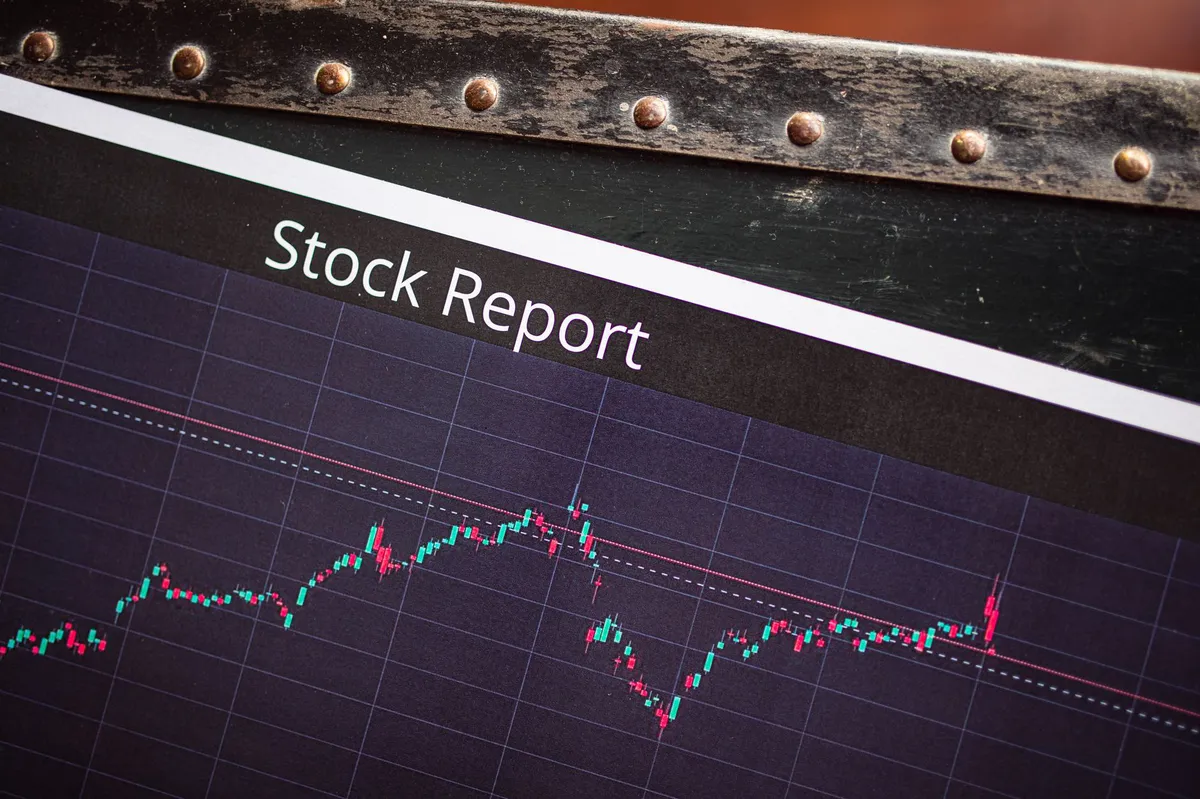
The US stock market experienced a significant downturn today, with major indices posting declines as investors weighed the ramifications of rising oil prices, escalating geopolitical tensions in the Middle East, and mixed earnings reports from some of the largest technology companies. The Dow Jones Industrial Average, S&P 500, and Nasdaq Composite all faced notable sell-offs, reflecting a complex interplay of market factors that could have lasting implications for investors.
As of mid-morning trading, the Dow Jones Industrial Average (DJI) was down by approximately 1%, while the S&P 500 (GSPC) and the tech-heavy Nasdaq Composite (IXIC) fell by 1% and 1.7%, respectively. This decline builds on a trend of market retreat that began earlier in the week, as traders grapple with a flurry of corporate earnings announcements and geopolitical developments.
Corporate Earnings: Tracking the Tech Giants
Investors were particularly focused on the latest earnings reports from tech giants Alphabet and Tesla, both of which have become critical bellwethers for the market's health. Alphabet, the parent company of Google, reported a fundamentally strong quarter, yet the raised capital expenditure (capex) outlook sparked concerns among investors. The focus on artificial intelligence (AI) investments raises questions about the return on investment in a rapidly evolving tech landscape.
Tesla, led by CEO Elon Musk, indicated that 2026 would be a pivotal year for capital investments, particularly in areas like Optimus robots, robotaxis, and data centers. These ambitious plans, while potentially transformative, have raised eyebrows among cautious investors who are analyzing the sustainability of such heavy financial commitments.
Market Reactions to Earnings
The immediate market response to the earnings reports from these tech titans was negative, suggesting that despite strong fundamentals, investor confidence remains fragile. Concerns about the broader economic implications of increased spending on capital projects in a time of uncertainty have led to a sell-off in these stocks. This is indicative of a market that is increasingly sensitive to both corporate strategies and macroeconomic conditions.
Geopolitical Tensions and Oil Prices
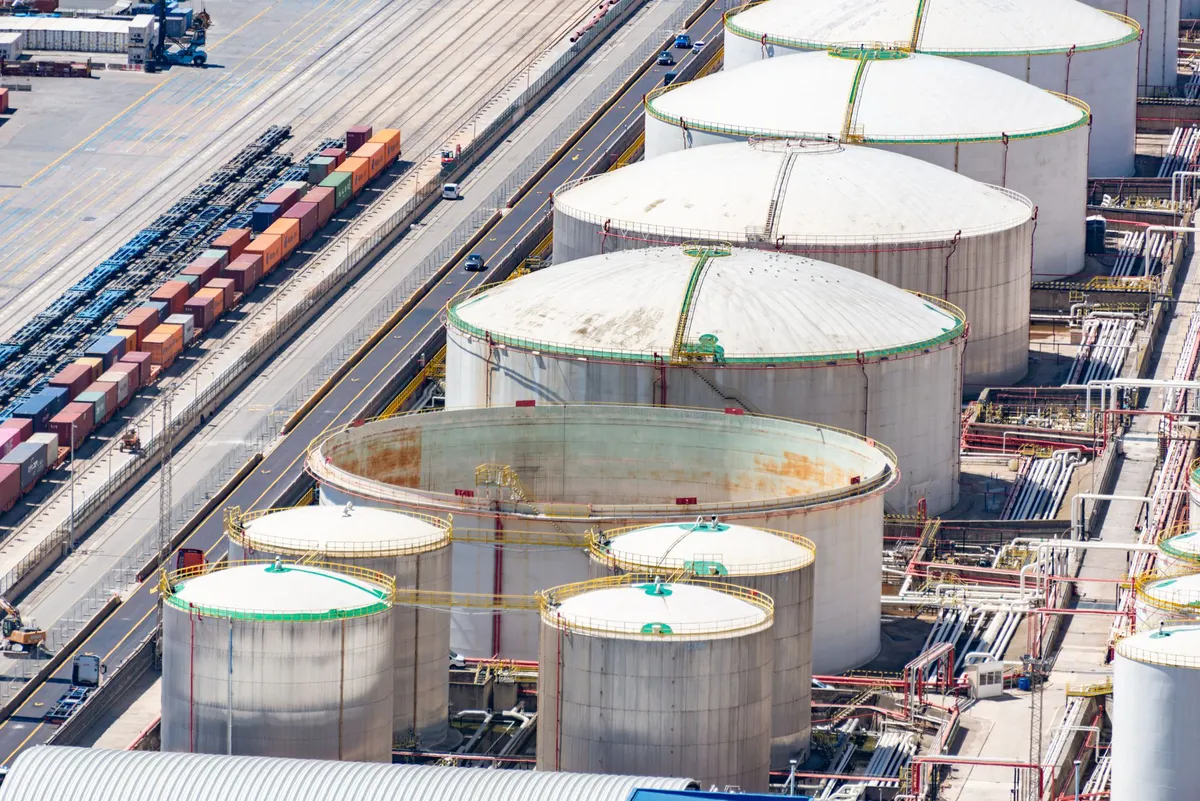
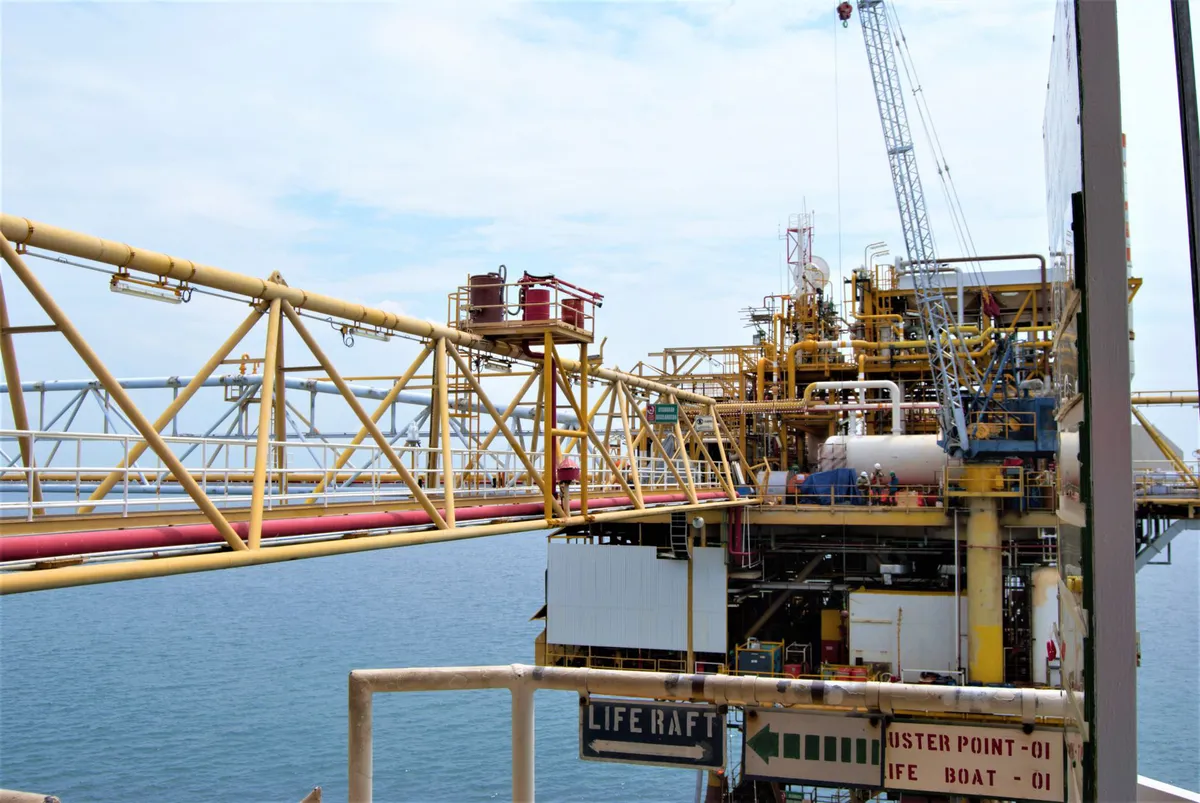
Adding to the market's woes, the escalating conflict in the Middle East has contributed to surging oil prices, a factor that investors are closely monitoring. Brent crude oil futures, which serve as the international benchmark, surged to $97 per barrel, nearing the psychologically significant $100 mark before experiencing a minor pullback. Meanwhile, West Texas Intermediate (WTI) futures, the US benchmark, saw a rise to $90 per barrel, fueled by reports of attacks on tankers in the Red Sea by Iranian-backed Houthis.
The ongoing US-Iran conflict continues to create uncertainty in the oil markets, and rising prices have begun to exert pressure on other sectors, particularly bonds. The yield on the 10-year Treasury note hit its highest level in approximately a year and a half, marking a shift in investor sentiment amid renewed inflation fears. This trend could complicate the Federal Reserve's plans regarding interest rates, as higher oil prices could lead to increased inflation, prompting a reassessment of monetary policy.
Economic Indicators: Jobless Claims and Future Outlook
On the economic front, initial jobless claims data for the week showed a decline to 187,000, falling short of the expected 210,000 new claims. This softer-than-expected data could suggest resilience in the labor market, a critical component in determining the overall economic outlook. However, the juxtaposition of rising inflationary pressures from oil prices with a stable job market creates a complex scenario for policymakers.
Investors are also anticipating further earnings reports from other major corporations, including Intel, T-Mobile US, and Lockheed Martin, which could provide additional insights into the market's trajectory. The performance of these companies will be scrutinized closely, as they represent diverse sectors that could shed light on broader economic trends.
Investor Strategies in a Volatile Market
In light of the current market environment, investors may need to reassess their strategies. The volatility stemming from geopolitical tensions and corporate earnings highlights the importance of diversification and risk management in investment portfolios. Here are several strategies that investors might consider:
- Diversification: Spreading investments across various asset classes can help mitigate risks associated with market volatility.
- Focus on Fundamentals: Evaluate companies based on their fundamentals and long-term growth potential rather than short-term market fluctuations.
- Stay Informed: Keep abreast of economic indicators and geopolitical developments, as these factors can significantly impact market performance.
- Consider Defensive Stocks: In uncertain times, defensive stocks—companies that provide essential goods and services—may offer more stability.
Ultimately, navigating a volatile market requires a keen understanding of both macroeconomic trends and individual investment performance.

Key Takeaways
- The US stock market experienced notable declines amid rising oil prices and mixed corporate earnings.
- Investors are closely monitoring the impacts of geopolitical tensions in the Middle East on market stability.
- Initial jobless claims showed a decline, indicating some resilience in the labor market despite inflation concerns.
- Strategic investment approaches, including diversification and focusing on fundamentals, may help mitigate risk during market volatility.
Frequently Asked Questions
What are the main factors driving the current stock market decline?
The current decline in the stock market can be attributed to a combination of factors, including rising oil prices driven by geopolitical tensions in the Middle East and mixed corporate earnings reports from major companies like Alphabet and Tesla. Investors are concerned about the potential for increased inflation and the impact on monetary policy, particularly regarding interest rates.
How do rising oil prices affect the stock market?
Rising oil prices can have a multifaceted impact on the stock market. Higher oil prices can increase costs for businesses, leading to lower profit margins and reduced consumer spending. Additionally, rising oil prices can stoke inflationary pressures, prompting central banks like the Federal Reserve to reconsider their monetary policy stance, which can further influence market performance.
What should investors consider during volatile market conditions?
During volatile market conditions, investors should focus on maintaining a diversified portfolio to mitigate risk. It's essential to evaluate investments based on their fundamentals, stay informed about economic indicators, and consider defensive stocks that may provide stability in uncertain times. Adapting to changing market conditions can help protect investments and position portfolios for long-term growth.
What role do jobless claims play in assessing economic health?
Jobless claims are a critical indicator of economic health, as they provide insights into the labor market's strength. A declining number of initial jobless claims suggests that fewer individuals are losing their jobs, which can indicate a stable or improving labor market. Conversely, rising claims may signal economic distress. Investors and policymakers closely monitor these figures to gauge the overall health of the economy.
This content is educational, not financial advice.
Comments
Surge in Energy Shares as Brent Crude Hits $100 Amid Houthi Attacks
U.S. energy stocks have seen a significant uptick as Brent crude prices reached $100 a barrel, driven by escalating tensions in the Middle East. Houthi attacks on Saudi oil tankers have raised alarms over potential disruptions in global oil supply.

Related articles






Popular in Investing
- Navigating the Dismal Landscape of 2026's Worst-Performing ETFs
- Navigating the Turbulent Waters of Energy Markets: A Deep Dive
- Stablecoin Market Faces $10 Billion Decline — What It Means for Investors
- Cotton Futures Surge Despite Increased Production Forecasts
- Avantus Secures $525 Million for Major California Solar Project