Navigating the Future of Halliburton: Stock Forecasts and Market Trends
As the energy sector experiences fluctuations in prices and interest rates rise, Halliburton Company (HAL) faces a pivotal moment. This article explores stock forecasts, market dynamics, and what investors should consider moving forward.
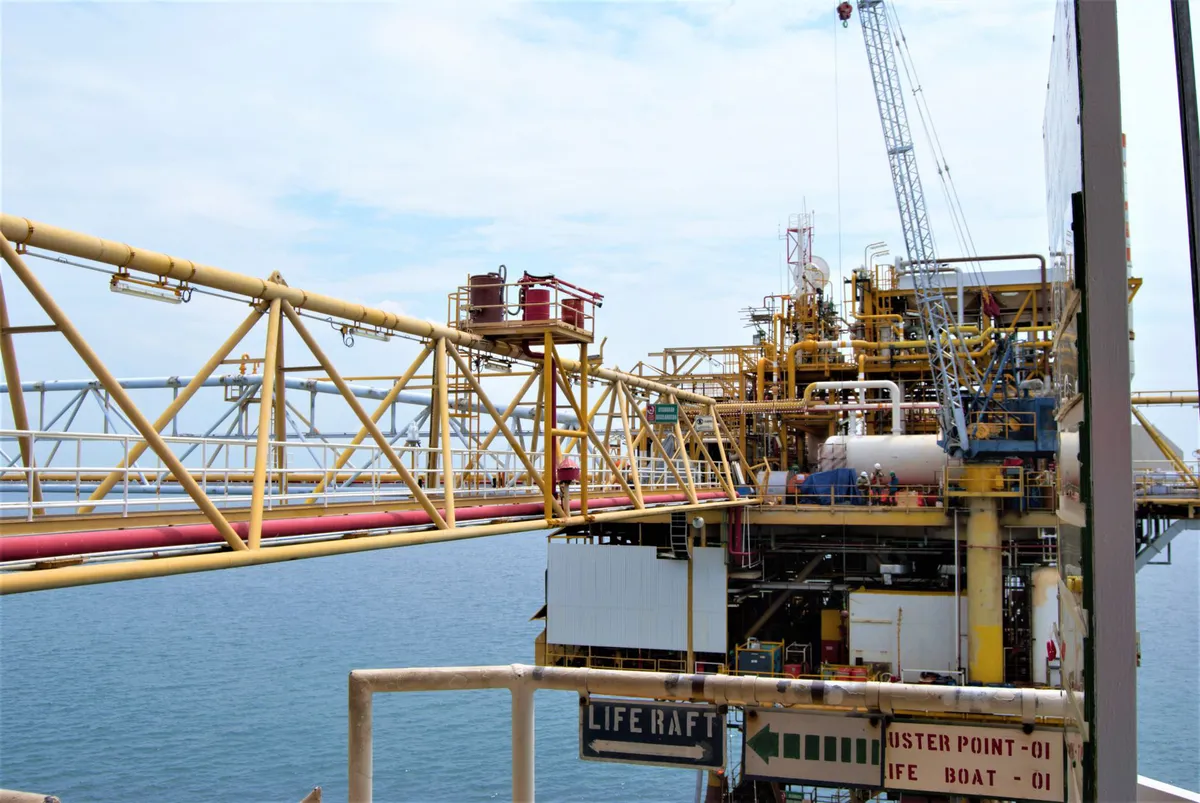
The energy sector is currently navigating a complex landscape marked by volatile oil prices and rising interest rates. Halliburton Company (HAL), a major player in the oil and gas services industry, stands at a crossroads as it adapts to these shifting dynamics. Investors are keenly observing the company's stock forecasts and market movements, particularly as crude oil prices recently surged to new highs. With the backdrop of ongoing geopolitical tensions and supply chain disruptions, understanding Halliburton's position is crucial for informed investment decisions.
In the wake of increasing crude oil prices, which have seen a recent uptick to an intraday high of $88.60 per barrel, Halliburton's performance could be significantly impacted. The company's ability to capitalize on these developments, alongside the broader economic environment characterized by rising interest rates, presents both opportunities and challenges for investors.

Understanding Halliburton's Business Model
Halliburton operates primarily in the energy sector, offering a wide range of services to oil and gas companies. Its business model is built around providing essential services that support exploration, drilling, and production activities. This includes everything from well construction to reservoir management. The company's expertise in technology and innovation allows it to offer tailored solutions that enable clients to optimize their operations and reduce costs.
Key Segments of Halliburton's Operations
- Completion and Production: This segment focuses on services that enhance oil and gas production, including hydraulic fracturing and well stimulation.
- Drilling and Evaluation: Halliburton provides drilling services, including directional drilling and logging services, which help in accurately assessing the geological formations.
- Corporate and Other: This segment encompasses various corporate activities and support services that contribute to the overall functioning of the company.
Current Market Dynamics Affecting HAL
The recent rise in crude oil prices can be attributed to a combination of factors including geopolitical tensions, supply chain disruptions, and a rebound in global demand post-pandemic. The West Texas Intermediate (WTI) crude oil saw a notable increase of 2.3% recently, a trend that has implications not only for oil producers but also for companies like Halliburton that provide critical services in the industry.
Impact of Rising Interest Rates
Simultaneously, the Federal Reserve's decision to increase interest rates across the yield curve is another critical factor that influences Halliburton's stock forecasts. Higher interest rates can lead to increased borrowing costs for companies in the energy sector. This situation may affect capital expenditure and operational budgets for oil and gas companies, potentially impacting their demand for Halliburton’s services.

Investment Outlook for Halliburton
As of now, analysts are closely monitoring Halliburton's stock performance amidst these market fluctuations. The energy sector is traditionally cyclical, and while the current environment presents immediate challenges, it also offers growth opportunities. Investors should consider both the short-term volatility and the long-term potential of Halliburton based on key indicators such as crude oil prices, global demand, and the company's operational efficiency.
Analyst Ratings and Future Projections
Recent analyst ratings suggest a cautious optimism regarding Halliburton's future. While some analysts recommend a strong buy based on the anticipated increase in oil demand, others warn of potential headwinds from rising operational costs and interest rates. It's essential for investors to evaluate these perspectives and consider their own risk tolerance before making investment decisions.
Strategic Considerations for Investors
For investors looking to navigate the complexities of Halliburton's stock forecasts, several strategic considerations can help guide decision-making:
- Diversification: As with any investment, avoid putting all your eggs in one basket. Diversifying your portfolio can mitigate risks associated with market volatility.
- Long-Term Perspective: Focus on the long-term potential of Halliburton, especially as global energy demands evolve and renewable energy sources become more prominent.
- Stay Informed: Monitor updates regarding crude oil prices, interest rates, and Halliburton's operational changes to make well-informed decisions.

Key Takeaways
- Halliburton operates in a dynamic energy sector influenced by rising crude oil prices and increasing interest rates.
- Investors should consider the company's operational segments when evaluating its performance potential.
- Analyst ratings vary, highlighting the importance of individual research and risk assessment.
- Diversification and a long-term investment strategy are essential for navigating market fluctuations.
Frequently Asked Questions
What factors are driving crude oil prices higher?
Crude oil prices are influenced by a combination of geopolitical factors, such as tensions in oil-producing regions, as well as supply chain issues and post-pandemic demand recovery. These elements create a complex landscape that affects not only oil producers but also service companies like Halliburton.
How do rising interest rates impact Halliburton's business?
Rising interest rates can lead to higher borrowing costs for companies in the energy sector, potentially affecting their capital spending and operational budgets. This can influence the demand for Halliburton's services, making it crucial for investors to monitor interest rate trends.
What should investors watch for in Halliburton's stock performance?
Investors should keep an eye on crude oil price fluctuations, global demand trends, and Halliburton's operational efficiency. Additionally, it's important to consider analyst ratings and broader economic indicators that may impact the energy sector.
Is now a good time to invest in Halliburton?
Determining whether it's a good time to invest in Halliburton depends on individual risk tolerance and investment strategy. While the energy sector presents opportunities, it also comes with inherent risks due to market volatility and external economic factors. Conducting thorough research and considering long-term goals is essential.
This content is educational and not financial advice.
Comments
Surge in Energy Shares as Brent Crude Hits $100 Amid Houthi Attacks
U.S. energy stocks have seen a significant uptick as Brent crude prices reached $100 a barrel, driven by escalating tensions in the Middle East. Houthi attacks on Saudi oil tankers have raised alarms over potential disruptions in global oil supply.

Related articles







Popular in Investing
- Navigating the Dismal Landscape of 2026's Worst-Performing ETFs
- Navigating the Turbulent Waters of Energy Markets: A Deep Dive
- Stablecoin Market Faces $10 Billion Decline — What It Means for Investors
- Cotton Futures Surge Despite Increased Production Forecasts
- Avantus Secures $525 Million for Major California Solar Project