Why July 29 Could Shape the Future of the Stock Market
On July 29, the Federal Reserve's decision could signal crucial changes for investors. With interest rates and inflation at the forefront, here's what to watch for.

As summer 2026 heats up, investors are gearing up for a pivotal moment in the financial landscape. On July 29, the Federal Reserve is set to convene for its seventh meeting of the year, and the stakes have never been higher. With Kevin Warsh now at the helm, replacing Jerome Powell, the discussions around interest rates and inflation take on new urgency. Investors will be closely watching for signs of the Fed's future policy direction, as this meeting could have far-reaching implications for the stock market and the broader economy.
The Fed has maintained the federal funds rate within the 3.50% to 3.75% range throughout 2026, a move designed to balance the pressing need to control inflation while avoiding a potential economic slowdown. However, the upcoming meeting presents a unique challenge: Warsh's recent comments indicate a hawkish stance that may lead to future rate hikes—changes that can ripple through markets and influence investor behavior significantly.
The Federal Reserve's Balancing Act
The Federal Reserve, often referred to simply as 'the Fed', plays a critical role in the United States economy by influencing interest rates and regulating the money supply. The federal funds rate is a key lever; it directly affects borrowing costs for consumers and businesses, which in turn impacts economic growth and inflation. As inflation has remained high, the Fed's actions have garnered widespread attention.
Current Economic Climate
Throughout 2026, the Fed has faced a complex economic environment characterized by persistent inflation and uncertain growth trajectories. In June of this year, Fed members voted unanimously to keep rates steady, but the internal dynamics reveal a split within the committee. The Fed's dot plot—a visual representation of members' projections for future interest rates—shows a notable divide: half of the members anticipate rate hikes by year-end, while the other half do not foresee any increases.
What to Expect on July 29
Investors should prepare for the unexpected on July 29. The meeting is expected to provide clues regarding the Fed's next moves, but with Warsh's emphasis on inflation control, the discussions could lean towards a more aggressive approach. This uncertainty raises critical questions:
- Will the Fed signal an increase in interest rates?
- How will markets react to potential rate hikes?
- What implications will these decisions have for consumer spending and investment?
Warsh's commitment to eradicating high inflation reflects a broader concern among policymakers. If the Fed chooses to raise rates, the immediate effects could include increased borrowing costs for mortgages, auto loans, and credit cards, which could slow down consumer spending—a major driver of the U.S. economy.
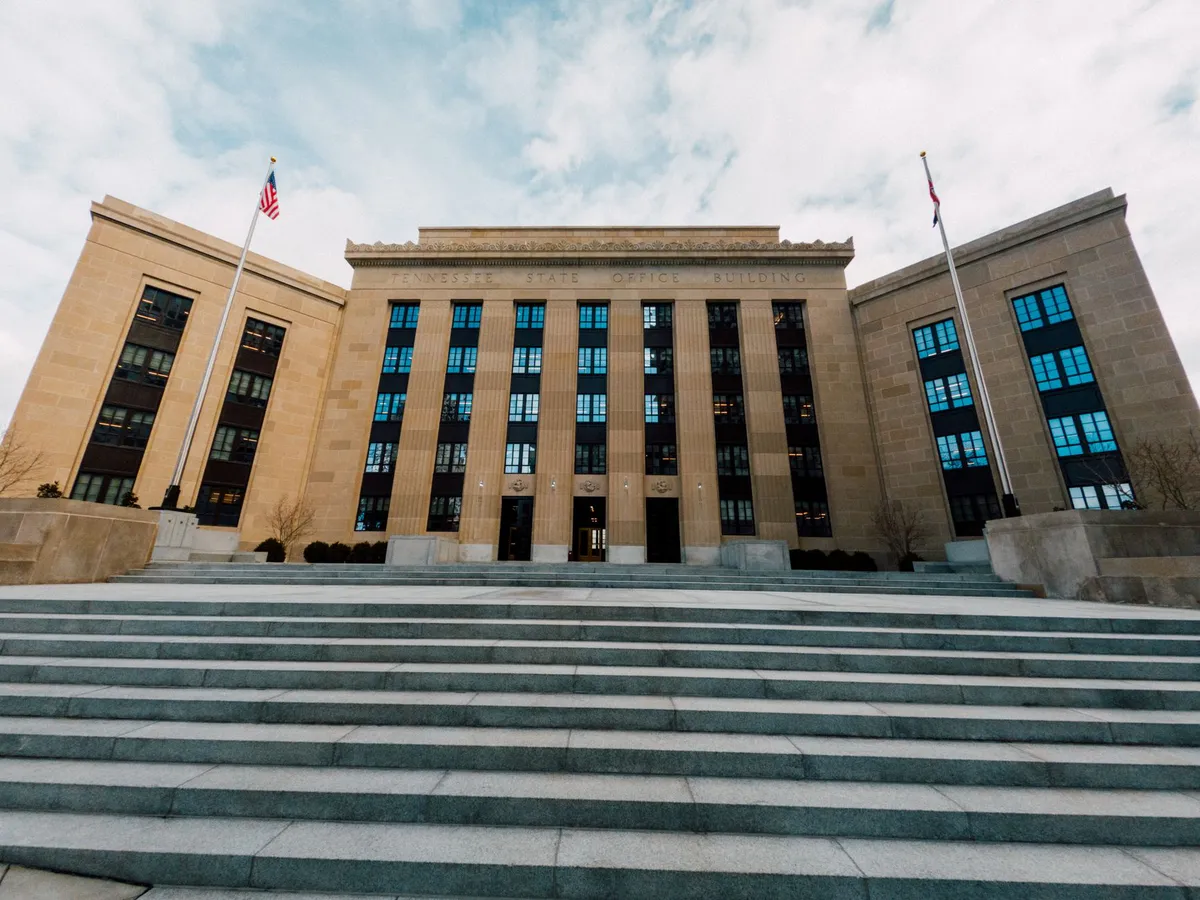
Market Implications of Rate Changes
Interest rates play a fundamental role in shaping investor sentiment and market performance. Historically, rising rates have led to volatility in the stock market, as higher borrowing costs can dampen corporate profits and consumer spending. If the Fed opts to hike rates, investors might respond by reallocating their portfolios, seeking safer investments or sectors that typically perform well during periods of tightening monetary policy.
Sector Sensitivity to Interest Rates
Certain sectors are more sensitive to changes in interest rates than others:
- Financials: Banks and financial institutions often benefit from rising rates as they can charge higher interest on loans.
- Utilities: These stocks are seen as bond proxies; when rates rise, they may become less attractive.
- Consumer Discretionary: Higher rates can lead to reduced spending, impacting retail and other consumer-facing sectors.
Investors should consider these dynamics when evaluating their strategies moving forward. A prudent approach might involve reassessing risk tolerance and asset allocation in light of anticipated rate changes.
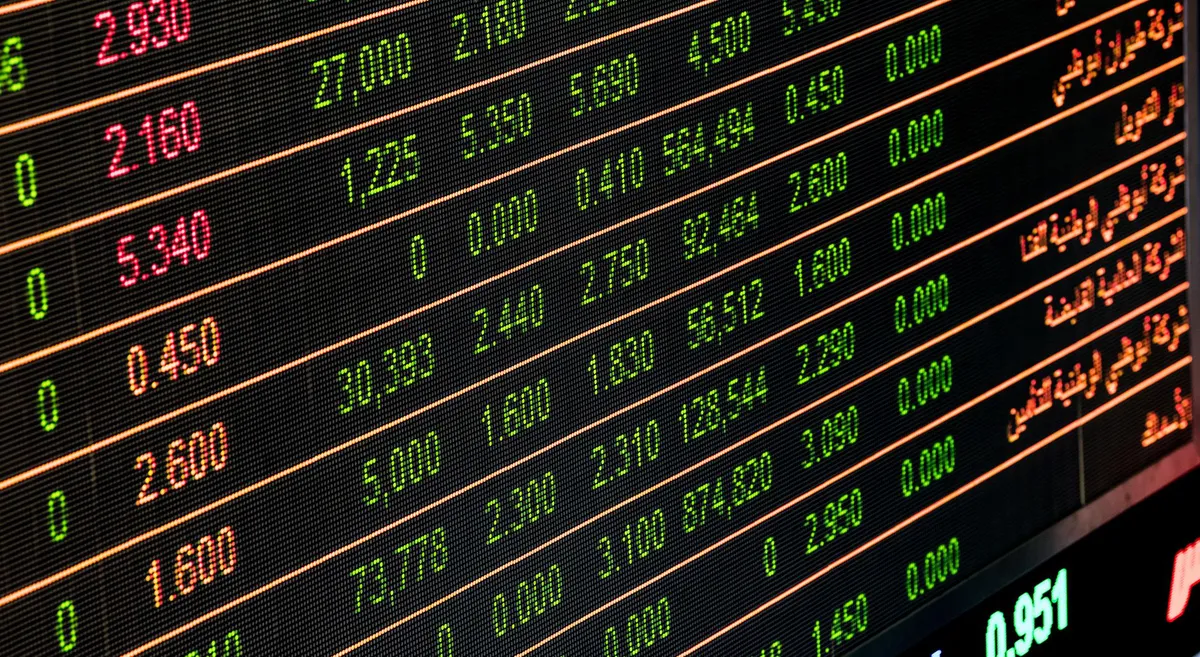
Long-Term Considerations for Investors
While the immediate focus is on the July 29 meeting, it's essential for investors to maintain a long-term perspective. Market fluctuations, driven by interest rate changes, can create both challenges and opportunities in the investment landscape. Here are some strategies investors might consider:
- Diversification: Spreading investments across various asset classes can mitigate risk during uncertain periods.
- Staying Informed: Keeping abreast of economic indicators and Fed announcements can help investors make timely decisions.
- Long-Term Holdings: Focusing on fundamentally sound companies with strong growth potential can be a safer strategy during volatile periods.
By adopting a disciplined investment approach and remaining informed, investors can better position themselves to navigate the complexities of the stock market.

Key Takeaways
- The Federal Reserve's July 29 meeting is crucial for determining future interest rate policy.
- Current economic conditions reveal a split among Fed members on the direction of rates.
- Investors should consider the potential impact of rate changes on market sectors and their portfolios.
- Long-term investment strategies focused on diversification and informed decision-making can help navigate uncertainty.
Frequently Asked Questions
What is the significance of the Federal Reserve's interest rate decisions?
The Federal Reserve's interest rate decisions significantly influence economic activity. Changes in the federal funds rate affect borrowing costs for consumers and businesses, which in turn can impact spending, investment, and overall economic growth. Higher rates typically slow down the economy, while lower rates can stimulate it.
How should investors prepare for potential rate hikes?
Investors should consider reviewing their portfolios to assess exposure to interest rate-sensitive sectors. Strategies may include diversifying investments, focusing on companies with solid fundamentals, and staying informed about economic trends and Fed communications. Additionally, understanding one's risk tolerance and investment goals is crucial during periods of uncertainty.
What sectors perform well during rising interest rates?
Historically, the financial sector tends to perform well during periods of rising interest rates, as banks can benefit from increased lending margins. Conversely, sectors like utilities and consumer discretionary may face headwinds as borrowing costs rise and consumer spending slows down. Investors should closely monitor sector performance and adjust their allocations accordingly.
Is it advisable to make drastic changes to an investment portfolio ahead of the Fed meeting?
While it can be tempting to make drastic changes based on anticipated Fed actions, it's generally advisable to maintain a long-term perspective. Sudden shifts can lead to missed opportunities or increased risk. Instead, investors should consider gradual adjustments based on their overall strategy, risk tolerance, and market conditions.
Disclaimer: This content is educational and not financial advice.
Comments
Investing in Individual Bonds: A Comprehensive Guide
This article explores the advantages and considerations of investing in individual bonds, providing insights into strategies, risks, and tax implications for American investors.
Related articles



Popular in Investing
- Navigating the Dismal Landscape of 2026's Worst-Performing ETFs
- Navigating the Turbulent Waters of Energy Markets: A Deep Dive
- Stablecoin Market Faces $10 Billion Decline — What It Means for Investors
- Cotton Futures Surge Despite Increased Production Forecasts
- Avantus Secures $525 Million for Major California Solar Project