What to Expect from Lowe's Upcoming Earnings Release
As Lowe's prepares to announce its fiscal second-quarter earnings, analysts are cautiously optimistic. Despite challenges in the housing market and consumer spending, Lowe's shows potential for long-term growth.
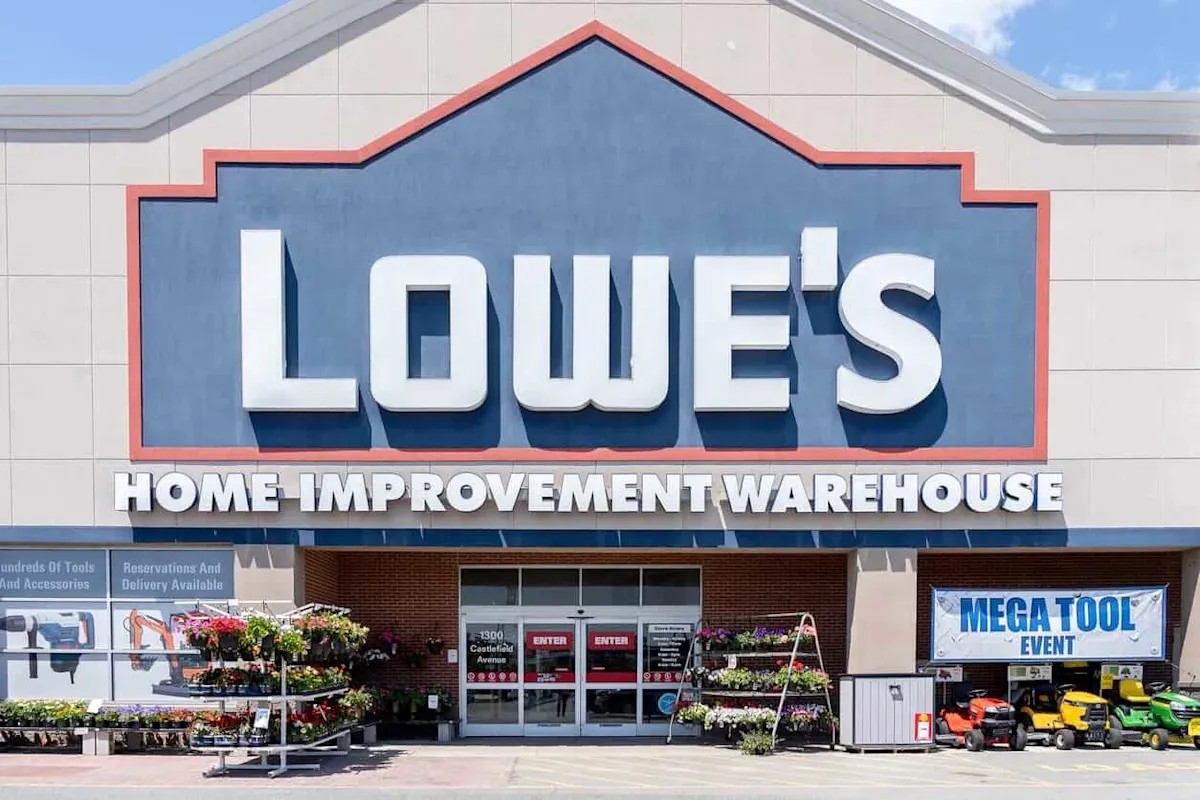
As one of the leading home improvement retailers in the United States, Lowe's Companies, Inc. (LOW) has established itself as a household name for DIY enthusiasts and professional contractors alike. With a market capitalization of approximately $114.6 billion, the company offers an extensive range of products, including tools, appliances, building materials, and home improvement solutions. As Lowe's gears up to disclose its fiscal second-quarter earnings for 2026, scheduled for August 19, market analysts are keeping a close eye on the company's performance against a backdrop of economic challenges.
Analysts predict that Lowe's will report earnings of $4.26 per share on a diluted basis, reflecting a slight decline of 1.6% compared to $4.33 per share in the same quarter last year. This anticipated dip comes despite the company having consistently outperformed Wall Street's expectations in its previous four quarterly reports. For the full fiscal year, estimates suggest that Lowe's will report an earnings per share (EPS) of $12.48, marking a modest increase of 1.6% from $12.29 in fiscal 2026. Looking ahead, projections indicate a growth trajectory, with EPS expected to rise to $13.47 by fiscal 2028.

Understanding Lowe's Market Position
While Lowe's enjoys a strong position in the home improvement sector, it has recently faced headwinds that have affected its stock performance. Over the past year, Lowe's shares have underperformed the S&P 500 Index, which has seen gains of 16.5%, with LOW shares down 11.7%. This trend is particularly concerning given that Lowe's competes directly with other major retailers, notably The Home Depot, Inc. (HD), which is often perceived as having a stronger foothold in the professional contracting market.
The decline in Lowe's stock is attributed to several factors, primarily linked to the current state of the housing market. Multi-decade high mortgage rates have significantly cooled home sales, leading to a reduction in demand for both pre-sale renovations and post-purchase improvements. Additionally, consumers are tightening their budgets and pulling back on discretionary DIY projects, an area where Lowe's has higher exposure compared to its main competitor, Home Depot.

Recent Financial Performance Highlights
Despite the challenges, Lowe's has shown resilience. In its Q1 report released earlier this year, the company reported an adjusted EPS of $3.03, exceeding Wall Street's expectations of $2.96. The company also posted revenues of $23.1 billion, surpassing forecasts of $22.9 billion. Such performance underlines Lowe's ability to adapt to changing market conditions and consumer behaviors.
Future Guidance and Analyst Ratings
Lowe's has provided guidance for the full year, projecting an adjusted EPS in the range of $12.25 to $12.75, along with revenue expectations between $92 billion and $94 billion. This cautious optimism reflects a strategic approach to navigating through market fluctuations.
Analysts remain reasonably bullish about Lowe's stock, assigning a consensus rating of “Moderate Buy.” Among the 29 analysts covering the stock, 19 have issued a “Strong Buy” recommendation, one suggests “Moderate Buy,” eight have rated it as “Hold,” and one analyst has a “Strong Sell” rating. The average analyst price target for Lowe's currently stands at $262.27, indicating a potential upside of approximately 29.9% from its current trading levels.

Factors Influencing Lowe's Stock Performance
Several macroeconomic factors are influencing Lowe's stock performance, which investors should monitor closely:
- Mortgage Rates: The current high mortgage rates are a significant barrier to home sales, impacting consumer willingness to undertake home improvement projects.
- Consumer Spending Trends: As inflation pressures persist, consumers are more cautious with discretionary spending, which could further affect Lowe's revenue from DIY projects.
- Competitive Landscape: Lowe's must navigate a competitive environment, especially with rivals like Home Depot focusing more on professional contractors.
- Market Sentiment: General market conditions and investor sentiment towards retail stocks can sway Lowe's share price, particularly leading up to earnings announcements.
Key Takeaways
- Lowe's is set to announce its fiscal Q2 earnings on August 19, with expected EPS of $4.26.
- The company has consistently surpassed EPS estimates in previous quarters, despite current challenges.
- Analysts rate Lowe's stock as a “Moderate Buy” with a significant upside potential based on average price targets.
- Impacts from high mortgage rates and shifting consumer spending habits pose risks to future earnings.
Frequently Asked Questions
What are the main challenges Lowe's is currently facing?
Lowe's is grappling with several challenges, primarily due to high mortgage rates that have dampened home sales. This has resulted in decreased demand for home improvement projects, as potential buyers are less inclined to make renovations. Additionally, the retail environment has seen consumers pulling back on discretionary spending, further impacting Lowe's revenue in DIY segments.
How does Lowe's performance compare to its main competitor?
Compared to its primary competitor, Home Depot, Lowe's has faced tougher scrutiny in the current market climate. While both companies have been affected by the same macroeconomic factors, Lowe's has a higher exposure to the DIY market, which is more sensitive to economic shifts. Home Depot, with a more robust professional contractor base, may fare better during downturns in consumer spending.
What should investors watch for in Lowe's upcoming earnings report?
Investors should pay close attention to Lowe's earnings per share (EPS) and revenue figures, as well as management's commentary on current market conditions and future guidance. Any guidance related to consumer spending trends, potential impacts from mortgage rates, and strategic initiatives to enhance competitiveness would also be crucial for assessing the company's performance and outlook.
Is Lowe's stock a good investment right now?
While Lowe's has experienced recent stock price declines, analysts maintain a positive outlook with a “Moderate Buy” consensus rating. Investors should consider the potential for recovery based on Lowe's strategic initiatives and projected earnings growth, but they should also weigh the risks posed by the current economic environment, particularly in the housing sector.
The content above is for educational purposes only and should not be considered financial advice.
Comments
Investing in Individual Bonds: A Comprehensive Guide
This article explores the advantages and considerations of investing in individual bonds, providing insights into strategies, risks, and tax implications for American investors.

Related articles







Popular in Investing
- Navigating the Dismal Landscape of 2026's Worst-Performing ETFs
- Navigating the Turbulent Waters of Energy Markets: A Deep Dive
- Stablecoin Market Faces $10 Billion Decline — What It Means for Investors
- Cotton Futures Surge Despite Increased Production Forecasts
- Avantus Secures $525 Million for Major California Solar Project