Intel's Stock Slide: Analyzing Market Reactions and Future Prospects
Intel's stock took a significant hit after strong earnings, raising concerns about AI spending and foundry demand. This article explores the implications for investors.

On July 24, 2026, Intel Corporation (NASDAQ: INTC), a leading semiconductor manufacturer, experienced a dramatic decline in its stock price, closing down 7.89% at $92.32. This downturn followed a brief surge of optimism after the company reported strong quarterly earnings, which showed a remarkable 25% year-over-year revenue increase. However, the day ended on a sour note as investors shifted their focus to concerns surrounding Intel's foundry business and its significant capital expenditures related to artificial intelligence (AI) initiatives. As trading volume soared to 179.1 million shares—36% above its three-month average of 131.4 million—questions about the sustainability of Intel's growth emerged.
The stock market's overall performance on the same day reflected mixed signals. The S&P 500 managed to close at 7,412, up a marginal 0.05%, while the Nasdaq Composite fell 0.64% to finish at 24,976. Intel’s peers in the semiconductor sector, such as Advanced Micro Devices (AMD) and Texas Instruments, also reflected broader market weakness, closing down 3.29% and 1.90%, respectively. This situation raises important questions for investors about the future trajectory of Intel and the semiconductor industry as a whole.
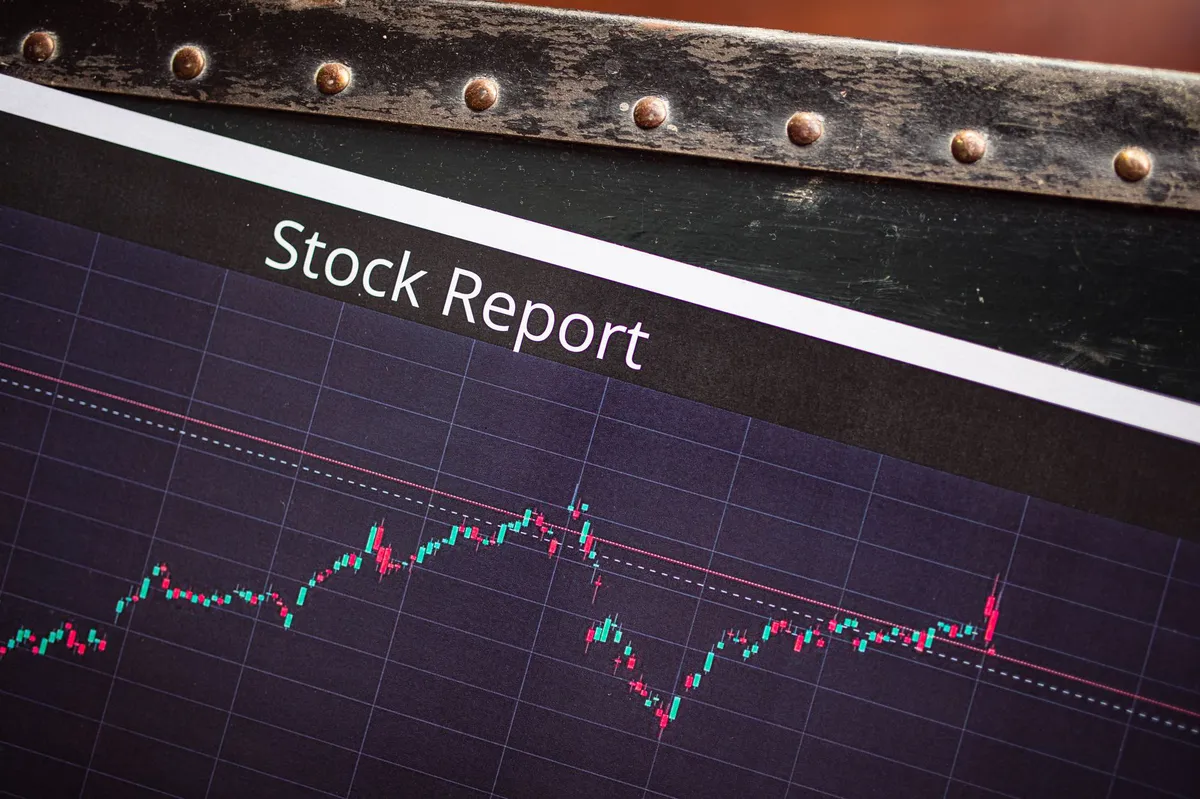
Understanding Intel's Earnings Report
Intel's earnings report initially sparked enthusiasm among investors, showcasing a revenue increase that outpaced analyst expectations. Despite this promising data, the day’s trading revealed that investors were not entirely convinced of Intel's ability to sustain its upward momentum. The stock's sharp decline can be attributed to several factors that investors are wary of:
- Foundry Unit Demand: Concerns about whether Intel's foundry unit can attract more external customers.
- High Capital Expenditure: The implications of Intel's significant spending on AI and infrastructure development.
- Market Reassurance: The need for convincing projections that justify current stock valuations amidst rising expenses.
AI Spending Concerns
The semiconductor industry is currently experiencing a tidal wave of investment in AI technologies, with companies vying for a leading edge in this rapidly evolving market. However, while Intel’s spending reflects a commitment to innovation, it has simultaneously raised alarms among investors. The high capital outlays associated with AI development are not guaranteed to yield immediate returns, leading to increased skepticism. Investors are particularly anxious about whether these expenditures will translate into revenue growth that meets or exceeds expectations.
Market Context and Investor Sentiment
The broader market context plays a significant role in shaping investor sentiment. In recent months, the technology sector has faced a wave of volatility. Many tech giants, including Alphabet and Nvidia, have seen similar stock movements reflecting investor uncertainty regarding their future earnings in light of substantial AI investments. Such parallels underline a general trend of caution among investors who are grappling with the implications of elevated spending in pursuit of technological advancement.
Moreover, the tech industry is still reeling from the fallout of previous overvaluations when enthusiasm for AI peaked. As companies like Intel aim to maintain their competitive edge, they must reassure shareholders that their strategies will not only secure current positions but also foster future growth through sustainable revenue streams.

What Lies Ahead for Intel?
As Intel navigates this challenging landscape, several critical factors will determine its future trajectory:
- Foundry Business Performance: Investors will be keenly observing whether Intel’s foundry unit can secure contracts with additional external customers. Success in this area is imperative for restoring confidence among investors.
- Revenue Growth from AI: The ability of Intel to demonstrate tangible growth resulting from its AI investments will be crucial. Investors will be looking for clear metrics that indicate a return on investment.
- Market Conditions: Broader economic indicators and market trends will also impact Intel's performance. Any shifts in consumer demand or global supply chain disruptions could further complicate matters.
Reassuring Investors
Intel's management will need to adopt a transparent communication strategy to reassure investors. This may involve outlining specific benchmarks for growth and detailing how current investments will translate into future profitability. Furthermore, as competition intensifies, Intel must also be prepared to adapt its strategies to maintain its position as a market leader.
Key Takeaways
- Intel's stock fell 7.89% after initial earnings optimism faded due to concerns over foundry demand and AI spending.
- The semiconductor industry is facing increased scrutiny as investors seek reassurances about the sustainability of high spending in the AI space.
- Future growth for Intel will depend on its foundry business's ability to attract customers and the successful monetization of its AI investments.
Frequently Asked Questions
What caused Intel's stock to drop significantly after earnings?
Intel's stock price fell primarily because investors shifted their focus from the company’s strong earnings report to concerns regarding its foundry business and the high capital expenditures associated with its AI initiatives. Despite a revenue increase of 25% year-over-year, uncertainty about future growth prospects overshadowed the initial optimism.
How does AI spending impact semiconductor companies like Intel?
AI spending represents a significant investment in technology that can potentially lead to substantial returns. However, the high costs associated with developing AI capabilities can create short-term financial strain for companies like Intel. Investors are concerned that these expenditures may not yield immediate revenue, leading to increased scrutiny of overall business strategies.
What should investors look for moving forward?
Investors should monitor Intel's ability to secure contracts for its foundry services and the performance of its AI investments. Clear indicators of revenue growth and successful client acquisition will be critical in determining whether Intel can maintain its upward trajectory and reassure investors about its long-term prospects.
Is Intel still a good investment after this drop?
The decision to invest in Intel following its stock drop depends on individual risk tolerance and investment strategy. While the recent decline raises concerns, some investors may view it as a buying opportunity, particularly if they believe in the long-term potential of Intel's growth strategies. Conducting thorough research and evaluating the company’s future projections is essential before making any investment decisions.
*Disclaimer: The content is educational and not financial advice.
Comments
Micron Technology: A New Era in AI Memory Production
Micron Technology is undergoing a transformative shift, positioning itself as a key player in the AI hardware market. While its recent earnings growth is impressive, market skepticism remains regarding the sustainability of this momentum.
Related articles







Popular in Investing
- Navigating the Dismal Landscape of 2026's Worst-Performing ETFs
- Navigating the Turbulent Waters of Energy Markets: A Deep Dive
- Stablecoin Market Faces $10 Billion Decline — What It Means for Investors
- Cotton Futures Surge Despite Increased Production Forecasts
- Avantus Secures $525 Million for Major California Solar Project