Micron Technology: A New Era in AI Memory Production
Micron Technology is undergoing a transformative shift, positioning itself as a key player in the AI hardware market. While its recent earnings growth is impressive, market skepticism remains regarding the sustainability of this momentum.

In the tech landscape, few companies have experienced such a dramatic transformation as Micron Technology, Inc. (NASDAQ: MU). Once regarded primarily as a cyclical memory chip manufacturer, Micron has recently emerged as a pivotal player in the burgeoning artificial intelligence (AI) sector. This shift is not merely cosmetic; it marks a substantial evolution in how the company operates and competes. With earnings per share (EPS) projected to surge from a dismal negative $5.34 in fiscal year 2023 to an astonishing estimated $73.23 in 2026, the question on many investors' minds is whether Micron's newfound success is sustainable, or if it is merely a flash in the pan.
Micron's rapid transition reflects a broader trend in the tech industry where high-bandwidth memory (HBM) is increasingly indispensable for AI applications. As AI technologies grow more complex, the memory requirements for training and deploying large language models (LLMs) have skyrocketed. This places Micron in a unique position to capitalize on this demand, yet the market remains cautious, weighing the company's historical volatility against its current trajectory.

Understanding Micron's Earnings Surge
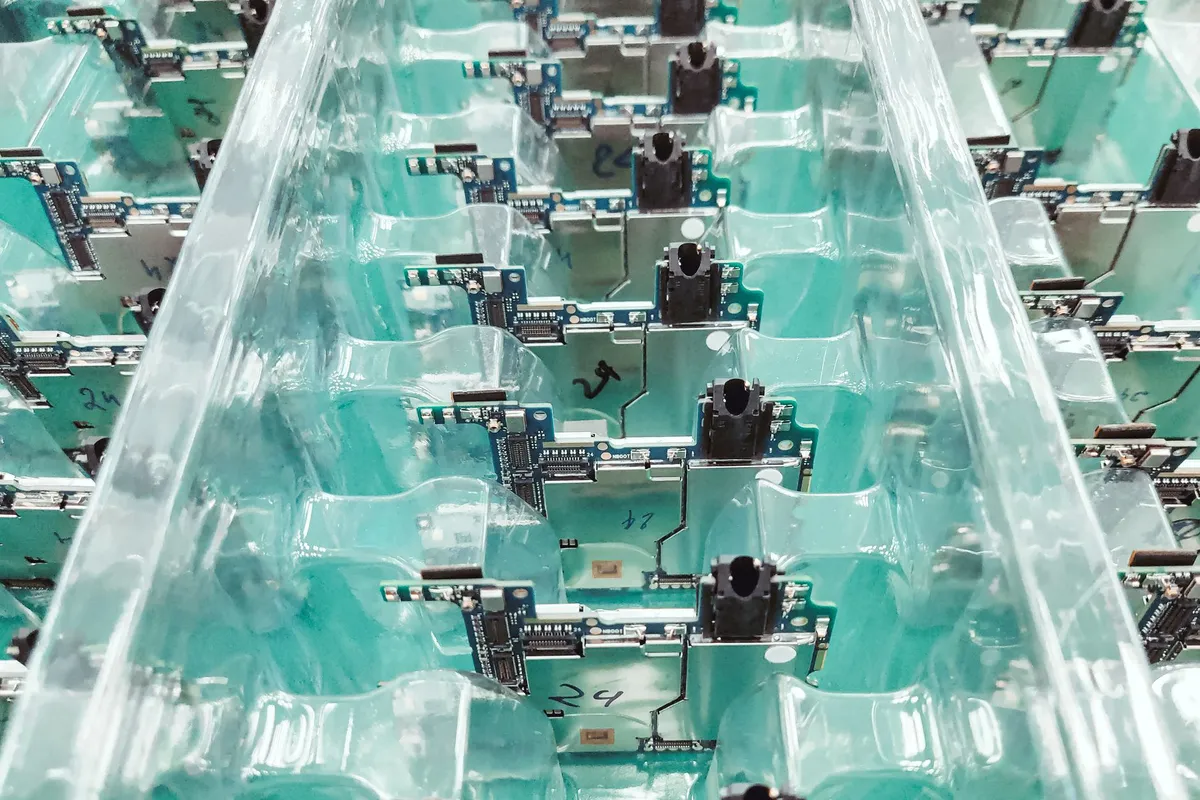
Micron's financial turnaround can be attributed to several key factors that distinguish its current operations from its past. Historically known for producing commodity DRAM (dynamic random-access memory) and NAND (not AND) flash memory, Micron has now integrated itself into the AI hardware ecosystem. This evolution has led to a significant increase in demand for HBM chips, which are essential for efficient data processing in AI applications. For instance, the company's revenue for the third quarter of fiscal year 2026 exceeded analysts' expectations by hitting $35.69 billion, showcasing the strong market appetite for its products.
Moreover, Wall Street's bullish sentiment is reflected in the staggering 794% upward revision of Micron's average earnings projections over the past year. This signals a substantial reassessment of the company's long-term earning potential, driven largely by its strategic pivot towards AI technology.
Market Valuation vs. Profitability Indicators
Despite the impressive earnings growth, a curious anomaly persists regarding Micron's market valuation. Currently, Micron's stock trades at a forward price-to-earnings (P/E) ratio of just 6.2x, a stark contrast to its eye-popping return on equity of 66.6% and gross margins of 84%. This discrepancy suggests that investors remain wary, viewing Micron as a legacy manufacturer rather than a forward-thinking tech powerhouse.
This skepticism may stem from the cyclical nature of the semiconductor industry, which has historically been characterized by boom and bust cycles driven by market demand fluctuations. In the past, Micron has faced significant downturns; for example, during the last economic contraction, its gross margin plummeted from 45.2% in 2022 to a mere 2.7% in 2023. Such volatility raises questions about the sustainability of its current growth trajectory.
- Market Valuation: Micron's forward P/E ratio is just 6.2x.
- Profitability: The company boasts a 66.6% return on equity and 84% gross margins.
- Historical Volatility: Micron's margins have fluctuated significantly in past downturns.

Long-term Commitments and Structural Changes
In contrast to historical trends, Micron’s current operational framework is supported by long-term supply agreements that provide a degree of revenue stability. The company has secured over $100 billion in minimum contracted revenue, which includes contractual price floors that protect its gross margins above 70%. This structural security is critical, especially in a market characterized by rapid technological advancements and shifting consumer demands.
Furthermore, Micron has already sold out its entire production allocation of HBM for fiscal year 2026. Management's insights suggest that supply shortages will likely persist well into 2027, providing Micron with pricing power that could buffer it against the cyclical downturns that have plagued the semiconductor market in the past.
Bearish Perspectives: The Case for Caution
Despite these positive indicators, some analysts remain skeptical about Micron's future. Notably, high-profile short positions, including one from investor Michael Burry, reflect a bearish outlook on the company's long-term sustainability. Critics argue that Micron's historical performance warrants a discount in its valuation, given that cyclical expansions often lead to overcapacity and subsequent margin contractions.
Moreover, they maintain that even if consumer demand for electronics declines, the complex and capital-intensive nature of developing next-generation HBM architectures means that Micron could struggle to maintain its pricing leverage. This bearish sentiment is compounded by concerns that a global economic slowdown could replicate past cycles of downturn in the semiconductor industry.

Smart Money's Perspective: Growing Confidence
On the flip side, there are signs of increasing confidence among institutional investors. Data from Insider Monkey indicates that 154 hedge funds held positions in Micron at the end of the first quarter of 2026, a rise from 137 funds in the preceding quarter. Notably, Citadel Investment Group, led by Ken Griffin, has emerged as the largest stakeholder, holding a position valued at more than $1.5 billion.
This accumulation of stakes from institutional investors suggests a belief that Micron's current cycle may differ fundamentally from previous cycles. For example, ClearBridge's Large Cap Growth Strategy highlighted Micron's inclusion in the Russell 1000 Growth Index as a positive sign for its future. As AI data centers require significantly more memory than traditional computing systems, Micron's role as a major memory provider seems well-positioned to capitalize on this evolving landscape.
Key Takeaways
- Micron's EPS is projected to soar from a negative $5.34 in FY 2023 to an estimated $73.23 in FY 2026.
- The company's stock trades at a low forward P/E ratio of 6.2x, despite high profitability indicators.
- Micron's long-term contracts and sold-out HBM production provide revenue stability.
- Bearish sentiments exist due to Micron's historical volatility and concerns over market cycles.
- Institutional investors are increasingly confident in Micron's future, indicating a potential shift in market sentiment.
Frequently Asked Questions
What factors are driving Micron's recent earnings growth?
Micron's recent earnings surge can be attributed to its strategic pivot towards high-bandwidth memory for AI applications. This transition has allowed Micron to tap into a growing market that demands more sophisticated memory solutions, significantly boosting its revenue and earnings projections.
Why does Micron's stock have a low P/E ratio despite high profitability?
The low P/E ratio suggests that the market may still view Micron as a legacy company vulnerable to cyclical downturns. Investors are cautious, given Micron's historical volatility in earnings and margins during past semiconductor market cycles, leading to skepticism about its current valuation.
How do long-term contracts impact Micron's financial stability?
Micron's long-term supply agreements, totaling over $100 billion in minimum contracted revenue, provide a buffer against market volatility. These contracts, along with price floor guarantees, ensure that Micron maintains healthy gross margins, which is crucial for financial stability, especially during economic downturns.
What should investors consider when evaluating Micron's stock?
Investors should weigh Micron's impressive earnings growth against its historical volatility and market skepticism. Additionally, they should consider the structural changes in the memory market, including the increasing demand for AI memory solutions, which could provide Micron with a competitive edge moving forward.
This content is for educational purposes only and should not be considered financial advice.
Comments
Exploring the JPMorgan Equity Premium Income ETF for Retirement Income
As retirees seek reliable income streams, the JPMorgan Equity Premium Income ETF emerges as an intriguing option. This article delves into its benefits, risks, and how it fits into a broader retirement strategy.

Related articles







Popular in Investing
- Navigating the Dismal Landscape of 2026's Worst-Performing ETFs
- Navigating the Turbulent Waters of Energy Markets: A Deep Dive
- Stablecoin Market Faces $10 Billion Decline — What It Means for Investors
- Cotton Futures Surge Despite Increased Production Forecasts
- Avantus Secures $525 Million for Major California Solar Project