Gold Prices Remain Steady Ahead of Key Rate Decisions: What Investors Need to Know
As gold prices hover below $4,100, investors are on alert for upcoming economic indicators and geopolitical developments. Understanding gold's role in a balanced portfolio is crucial during volatile times.
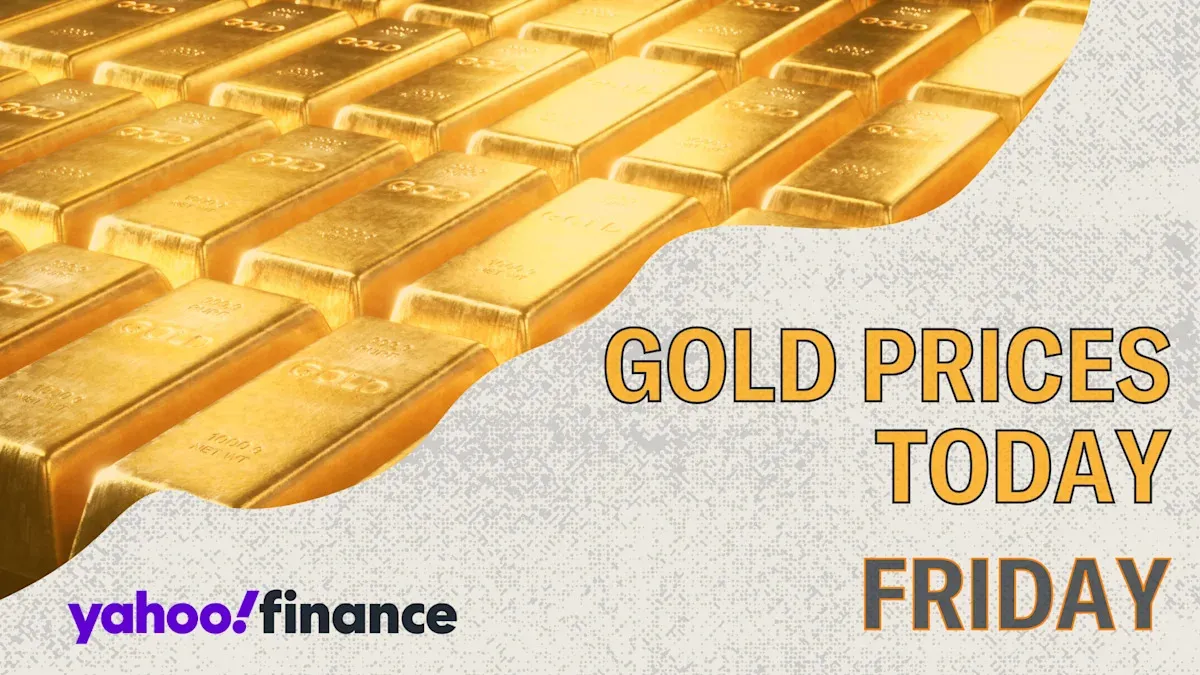
The gold market has always been a focal point for investors, especially during periods of economic uncertainty and geopolitical strife. On July 24, 2026, the price of gold opened at $4,053.40 per troy ounce, slightly up by 0.1% from the previous day. Although it briefly surpassed the $4,100 mark, the price retreated, reflecting the market's nervousness ahead of upcoming decisions from the Federal Reserve regarding interest rates. As global tensions, particularly in the Middle East, continue to influence economic forecasts, understanding the dynamics of gold prices and how they fit into investment strategies is more critical than ever.
As we delve into the current state of gold prices, we will explore not only the immediate factors influencing its value but also how investors can navigate this complex market. With gold often regarded as a safe haven asset, it is essential to comprehend the balance between potential rewards and risks associated with investing in this precious metal.
Current Gold Prices: An Overview
As of the latest update, gold prices have fluctuated significantly over the past week, month, and year. Here's a snapshot of recent changes:
- One week ago: +2%
- One month ago: -1.2%
- One year ago: +21.2%
These statistics reflect a broader trend that has seen gold appreciate dramatically over the past year, with a staggering increase of 95.6% as of January 29. This upward trajectory indicates a growing interest among investors in gold as a hedge against inflation and economic instability.
Interest Rates and Their Impact on Gold Prices
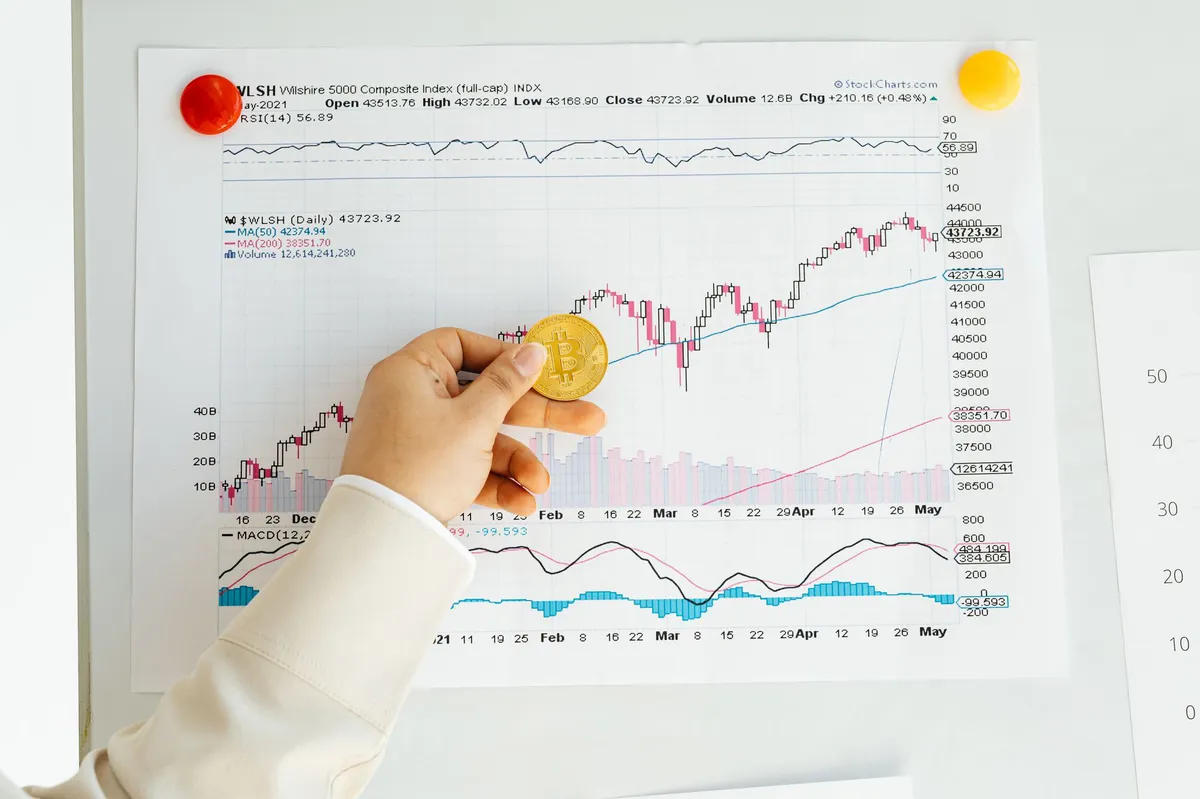
Interest rates play a pivotal role in determining the attractiveness of gold as an investment. When the Federal Reserve (Fed) raises interest rates, the opportunity cost of holding non-yielding assets like gold increases. This is because higher interest rates typically lead to better returns on savings and fixed-income investments, making gold less appealing.
The upcoming Fed meeting is particularly crucial, as the consensus suggests that rates will remain steady. However, with jobless claims recently reported at 187,000—significantly lower than the expected 212,000—there is speculation that a robust labor market could prompt the Fed to consider rate hikes later in the year, especially if inflation continues to exceed the 2% target.
The Global Economic Landscape
In addition to domestic factors, international events significantly impact gold prices. Ongoing conflicts, particularly in the Middle East, can create uncertainty that drives investors toward gold as a safe haven. Recent developments have raised concerns about trade disruptions and their potential fallout on global markets.
As investors grapple with these complexities, it is essential to remain informed about how international economic conditions can influence gold prices and, by extension, individual investment strategies.

How Much Gold Should You Own?
Determining the right allocation of gold in an investment portfolio can be a daunting task. Various experts suggest different allocations based on individual risk tolerance, investment goals, and market conditions. Here’s a breakdown of their recommendations:
- No Gold: Some experts, like Robert R. Johnson from Creighton University, argue against gold investing altogether, citing the opportunity cost of forgoing higher long-term returns.
- 2% to 5% Allocation: Brett Elliott from APMEX suggests this allocation for those who seek moderate exposure without sacrificing income potential.
- 5% to 8% Allocation: Blake McLaughlin emphasizes that historical data supports this range, particularly during uncertain economic climates.
- 5% to 15% Allocation: Thomas Winmill advocates for a more aggressive approach, recommending a mix of physical gold and gold mining stocks.
- 20% Allocation: Vince Stanzione suggests this higher exposure as a protective measure against inflation and currency devaluation.
These varying perspectives highlight the complexities of gold investment and the need for a tailored approach based on individual circumstances.
Future Predictions: Where Are Gold Prices Headed?
Looking ahead, the question on every investor's mind is whether gold prices will continue on their upward trajectory or face significant corrections. Analysts and experts have differing opinions regarding future price levels, with some predicting that gold could reach as high as $6,000 per ounce by the end of 2026.
Factors influencing these predictions include:
- Economic indicators such as inflation rates and employment data.
- Geopolitical tensions that may drive demand for gold as a safe haven asset.
- Monetary policy decisions by central banks worldwide.
Investors need to stay vigilant and informed about these developments, as they will directly impact gold's performance in the coming months.
Key Takeaways
- Gold prices are currently below $4,100, influenced by interest rate expectations and geopolitical developments.
- Allocations of gold in investment portfolios vary, with recommendations ranging from 0% to 20% based on individual risk tolerance and market conditions.
- Future gold prices may be influenced by economic indicators, global events, and central bank policies, with some experts predicting prices could reach $6,000.
Frequently Asked Questions
What are the main factors that influence gold prices?
Gold prices are primarily influenced by interest rates, inflation, geopolitical tensions, and market demand. When interest rates rise, the opportunity cost of holding gold increases, which can lead to lower prices. Conversely, during times of economic uncertainty or high inflation, demand for gold often rises, pushing prices higher.
Is investing in gold a good idea for everyone?
Investing in gold can be beneficial for many but not necessarily for everyone. It serves as a hedge against inflation and economic downturns; however, it can also dilute potential gains during stock market booms. Investors should evaluate their financial goals, risk tolerance, and portfolio composition before deciding on their gold allocation.
How can I invest in gold?
There are several methods to invest in gold, including purchasing physical gold, investing in gold mining stocks, or buying gold exchange-traded funds (ETFs). Each method comes with its own set of advantages and risks, so it is essential to consider your investment objectives and personal preferences when choosing the best option for you.
What is the outlook for gold prices in the near future?
The outlook for gold prices remains uncertain, heavily dependent on economic indicators, inflation rates, and geopolitical events. While some analysts predict continued growth, others caution that prices may face significant corrections if economic conditions stabilize. Keeping abreast of market trends and expert analyses will be crucial for investors looking to navigate this volatile landscape.
The information provided in this article is for educational purposes only and should not be considered financial advice.
Comments
Popular in Investing
- Navigating the Dismal Landscape of 2026's Worst-Performing ETFs
- Stablecoin Market Faces $10 Billion Decline — What It Means for Investors
- Avantus Secures $525 Million for Major California Solar Project
- Navigating the Pet Stocks Market: Opportunities Amidst Challenges
- Market Turmoil: How Geopolitical Tensions and Earnings Reports Impact Stocks