Corning Incorporated's Surge: The Impact of AI on Fiber and Optical Demand
Corning Incorporated (GLW) has seen significant growth driven by increasing demand for advanced fiber and optical technology in the AI sector, showcasing an evolving market landscape. As the company navigates the complexities of a volatile economy, its future looks promising amid rising earnings projections.

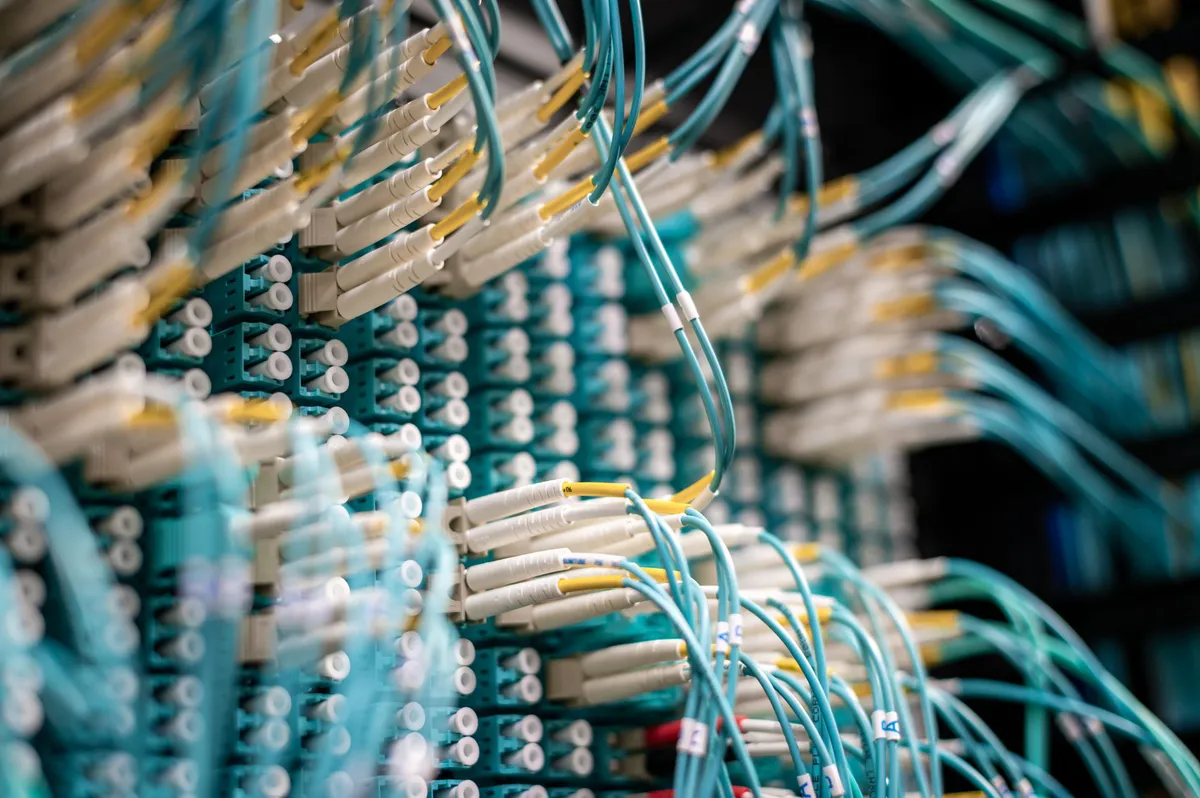
The landscape of technology investment is rapidly evolving, particularly with the explosive growth of artificial intelligence (AI) and its reliance on advanced fiber and optical communication technologies. One company that has notably benefited from this shift is Corning Incorporated (NYSE: GLW). In the second quarter of 2026, Corning's stock performance and market positioning have made it a focal point for investors looking to capitalize on the burgeoning demand for AI-related technologies.
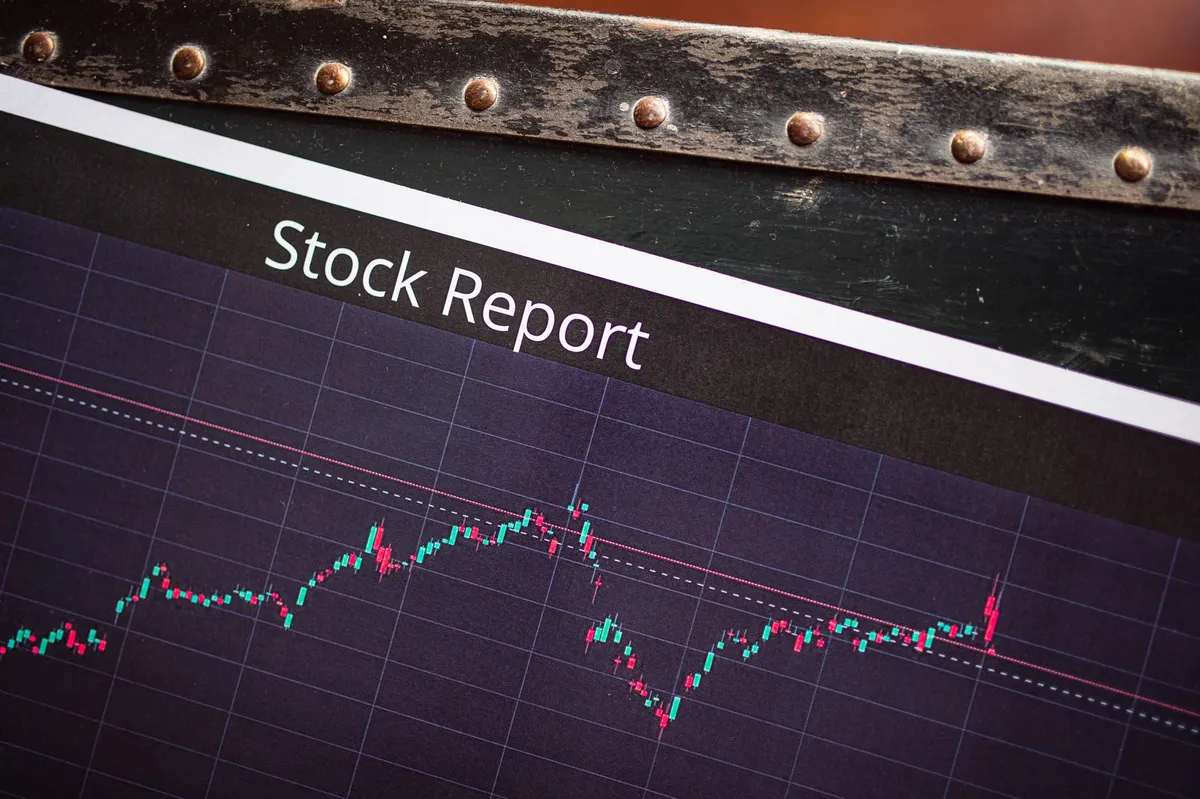
On July 24, 2026, Corning's shares closed at $146.65, marking a staggering 162.77% increase over the past year, despite a recent one-month return of -43.06%. This volatility mirrors the broader market dynamics where the S&P 500 surged by 15.2%, significantly influenced by the semiconductor index, which skyrocketed by 87.8%. With such dramatic shifts in stock performance, understanding the underlying factors driving these changes becomes crucial for investors.
Understanding Corning's Market Position
Corning Incorporated operates across several sectors, including optical communications, display technology, specialty materials, automotive components, and life sciences. Each of these sectors plays a pivotal role in the technological infrastructure that supports AI advancements. For instance, the demand for high-speed, reliable data transmission is critical for AI chip technology, which is becoming increasingly sophisticated and resource-intensive with each new iteration.
Growth in AI Technologies
The recent rally in AI-related stocks is not just a passing trend; it signifies a structural change in how technology companies operate and innovate. According to Carillon Tower Advisers, which manages the Carillon Eagle Growth & Income Fund, Corning is well-positioned to capitalize on this trend. Their Q2 2026 investor letter articulated that the company is expected to experience significant growth across several key products over the next three to five years, driven by the growing need for advanced fiber and optical connections.
The Bigger Picture: Economic and Market Trends
The broader economic context also plays a significant role in shaping Corning's prospects. Despite recent volatility in oil prices, largely driven by geopolitical tensions in the Middle East, economic indicators remain strong. For instance, corporate earnings are projected to rise by 25% in 2026 and an additional 15% in 2027. Such growth forecasts suggest a resilient economic environment, which could bode well for companies like Corning that have a strong foundation in essential technologies.
Key Factors Influencing Market Performance
Several factors contribute to the current momentum surrounding Corning and its peers:
- AI Integration: The increasing integration of AI across various sectors is creating an unprecedented demand for high-performance optical communication solutions.
- Market Volatility: While the stocks of smaller technology firms have seen meteoric rises (up to 300%), this creates a fragile market landscape where investor sentiment can shift rapidly.
- Corporate Earnings: Continued strong earnings reports from companies across the S&P 500 indicate a robust economic foundation that supports further investment in technology.
- Investor Caution: Despite the optimism surrounding AI, there is a palpable caution among investors regarding the sustainability of certain tech stock gains.
Corning's Strategic Outlook and Investor Sentiment
Corning's strategic focus on innovation and market adaptability positions it favorably in a competitive landscape. However, it's important to note that the company is not among the 40 most popular stocks among hedge funds, although it was held by 91 hedge fund portfolios at the end of Q1 2026, up from 85 in the previous quarter. This indicates a growing recognition of its potential, yet it also suggests that some investors perceive other AI stocks as offering greater upside potential with less risk.
Long-Term Investment Considerations
For investors considering Corning as part of their portfolio, several key points should be considered:
- Valuation Metrics: Corning has a market capitalization of $126.21 billion, with a 52-week trading range between $54.89 and $271.78. Understanding these metrics can help gauge whether the current stock price reflects its intrinsic value.
- Sector Diversification: Corning’s diverse operations across multiple sectors can provide a buffer against volatility in any single market segment.
- Future Growth Potential: As AI continues to evolve, the demand for Corning’s products is likely to grow, especially in industries where high-speed data transfer is critical.
Key Takeaways
- Corning Incorporated is experiencing significant growth driven by demand for AI-related fiber and optical technologies.
- The company's stock performance has seen extreme volatility, reflecting broader market trends.
- Economic indicators suggest strong corporate earnings growth in the coming years, supporting continued investment in technology.
- Corning's diverse operations and strategic focus on innovation position it well for future growth.
- Investors should consider both the potential and risks associated with investing in Corning as part of a broader tech strategy.

Frequently Asked Questions
What is Corning's primary business focus?
Corning Incorporated primarily focuses on manufacturing high-performance materials and optical communication solutions. Its diverse portfolio includes products for optical communications, display technologies, and specialty materials, all of which are increasingly vital in the age of AI and advanced technology integration.
How has the recent AI boom affected Corning's stock?
The recent surge in AI stock prices has significantly impacted Corning's stock performance, resulting in a remarkable year-over-year growth of 162.77%. The heightened demand for AI technologies has led to increased interest in companies like Corning, which provide essential infrastructure for these advancements.
What should investors consider before investing in Corning?
Investors should consider Corning's market position, valuation metrics, and the potential for growth in AI-related sectors. While the company's diverse operations provide a buffer against sector-specific volatility, it's essential to evaluate how macroeconomic factors, such as corporate earnings and market sentiment, may influence stock performance.
Are there risks associated with investing in Corning?
Yes, like any investment, there are inherent risks. Corning's stock has shown significant volatility, with a recent one-month return of -43.06%. Additionally, the tech sector can be unpredictable, and while AI presents substantial growth opportunities, it also carries the risk of market corrections and shifts in investor sentiment.
*This content is educational and not financial advice.
Comments
SpaceX Stock Outlook: What to Expect as Lock-Up Period Ends
With the end of SpaceX's lock-up period approaching, investors are gearing up for potential volatility and opportunities. Here's what you need to know about the stock's performance and the company's future prospects.
Related articles





Popular in Investing
- Navigating the Dismal Landscape of 2026's Worst-Performing ETFs
- Stablecoin Market Faces $10 Billion Decline — What It Means for Investors
- Avantus Secures $525 Million for Major California Solar Project
- Navigating the Pet Stocks Market: Opportunities Amidst Challenges
- Market Turmoil: How Geopolitical Tensions and Earnings Reports Impact Stocks