Understanding Texas Pacific Land Corporation (TPL): Stock Forecasts and Insights
Explore the current stock forecasts for Texas Pacific Land Corporation (TPL) and understand the factors influencing its market performance. This comprehensive analysis covers market trends, investment considerations, and future outlook.
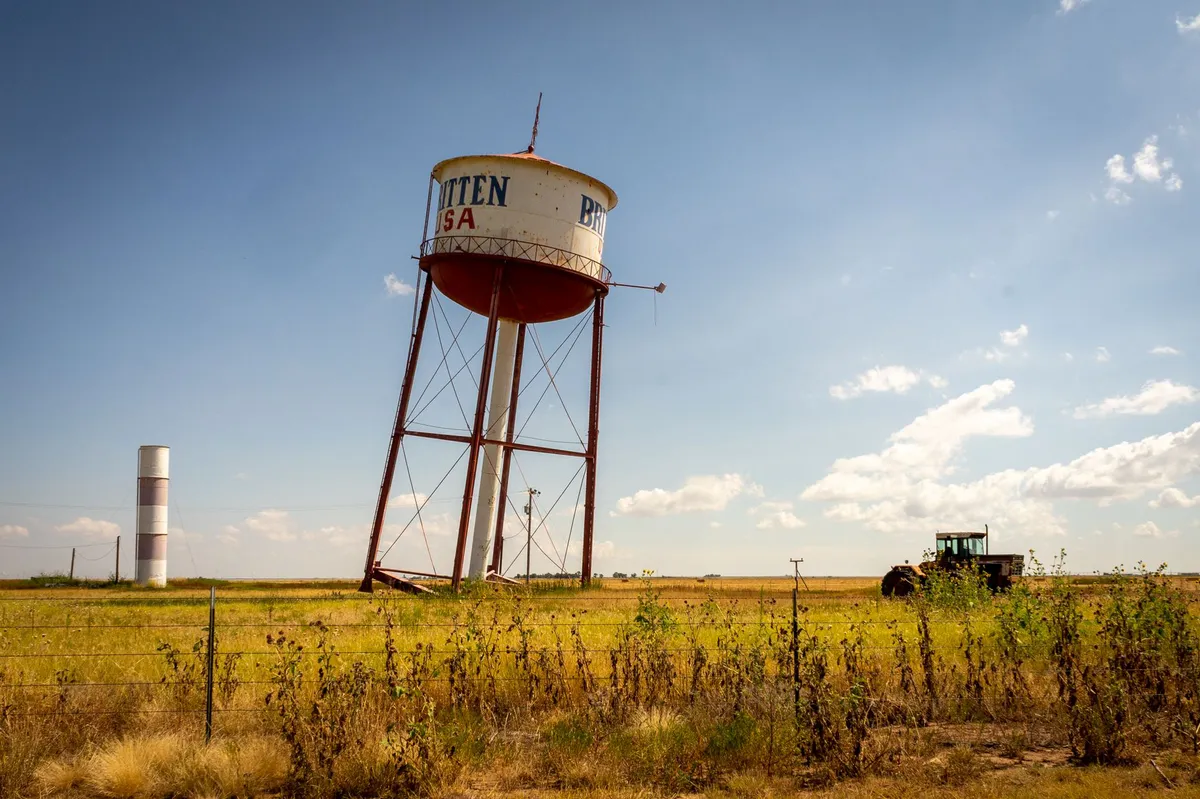
Texas Pacific Land Corporation (TPL) is a unique player in the world of publicly traded companies, primarily engaged in land and resource management in the oil and gas sector. With a market capitalization exceeding $10 billion, TPL has garnered attention from both investors and analysts alike. As the energy market experiences volatility due to geopolitical events and economic changes, understanding TPL's stock forecasts becomes crucial for potential investors and stakeholders. This article delves into the current stock performance of TPL, analyzes market trends affecting its valuation, and provides insights into what the future may hold for this intriguing corporation.
The Landscape of Texas Pacific Land Corporation
Founded in 1888, Texas Pacific Land Corporation operates primarily in the Permian Basin, a region known for its prolific oil and gas production. The company owns over 900,000 acres of land, making it one of the largest landowners in Texas. TPL's business model is largely centered around leasing land for oil and gas exploration, which provides a steady revenue stream, particularly as global demand for energy continues to rise.
Current Market Position
As of late 2023, TPL's stock has shown resilience amidst fluctuating energy prices. The company has reported substantial earnings growth, driven by rising lease revenues and strategic management of its land assets. Investors looking at TPL are often drawn to its unique position as a landowner rather than a traditional oil and gas company.

Stock Performance Analysis
In the past year, TPL's stock price has experienced significant fluctuations, reflective of broader trends in the oil and gas sector. The stock is often influenced by:
- Oil Prices: As crude oil prices rise, TPL benefits from increased lease revenues. Conversely, declining prices can put pressure on their income.
- Market Sentiment: Investor sentiment towards energy stocks can impact TPL's stock price, particularly during periods of economic uncertainty.
- Regulatory Changes: Developments in energy policy and regulations can affect the profitability of oil and gas operations within TPL's land holdings.
Despite these challenges, analysts often cite TPL's strong balance sheet and prudent management as reasons to remain optimistic about its future performance. The company has consistently returned value to shareholders through dividends and share buybacks.
Future Outlook and Forecasts
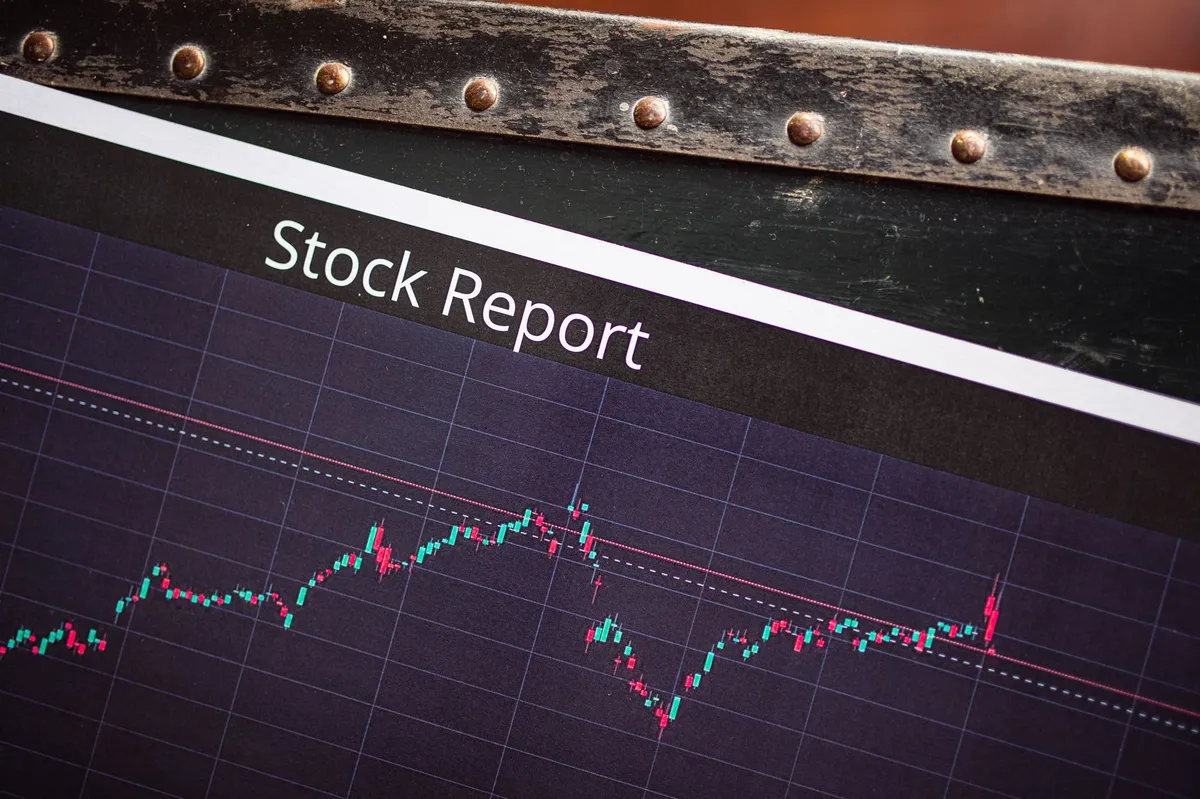
Looking ahead, stock forecasts for Texas Pacific Land Corporation are mixed, reflecting the uncertainty inherent in the energy sector. Analysts are divided on the short-term outlook, with some predicting that TPL's stock could rise as oil prices stabilize or increase, while others caution about potential downturns in the market.
Analyst Ratings and Predictions
Several financial institutions have provided stock ratings for TPL:
- Buy Recommendations: Some analysts recommend buying TPL stock, citing its strong fundamentals and growth potential in a recovering energy market.
- Hold Ratings: Other analysts suggest holding the stock, indicating that while TPL is a solid investment, the current price may not offer enough upside potential.
- Sell Recommendations: A few analysts advise selling, warning of potential volatility in the energy market that could adversely affect TPL's stock price.
Ultimately, investors should consider their risk tolerance and investment strategy before making decisions about TPL stock.
Investment Considerations
Investing in Texas Pacific Land Corporation requires a nuanced understanding of both the company's business model and the broader economic environment. Here are key factors to consider:
1. Market Trends
Understanding market trends is essential. Investors should stay informed about global oil demand, shifts in energy policy, and technological advancements in energy extraction, as these factors can significantly impact TPL's profitability.
2. Financial Health
Review TPL's financial statements, focusing on revenue growth, profit margins, and debt levels. A strong financial position can provide a buffer during economic downturns.
3. Dividend Policies
Consider the company's approach to dividends. TPL has a history of returning capital to shareholders, which can be appealing for income-focused investors.

Key Takeaways
- Texas Pacific Land Corporation operates primarily as a landowner leasing to oil and gas companies.
- Stock forecasts for TPL are mixed, influenced by fluctuating oil prices and market conditions.
- Investors should consider TPL's financial health, market trends, and dividend policies before investing.
- Analysts have varying recommendations, ranging from 'buy' to 'sell' based on current market dynamics.
Frequently Asked Questions
What factors influence Texas Pacific Land Corporation's stock price?
Several factors influence TPL's stock price, including global oil prices, market sentiment towards energy stocks, and regulatory developments in the oil and gas sector. Additionally, the company's financial performance, including revenue growth and profit margins, plays a significant role in determining its stock valuation.
Is Texas Pacific Land Corporation a good investment?
Whether TPL is a good investment depends on individual risk tolerance and investment objectives. Investors seeking exposure to the energy sector may find TPL appealing due to its unique business model and potential for growth. However, it is essential to consider the inherent volatility of the energy market and conduct thorough research before investing.
How does TPL compare to traditional oil and gas companies?
Unlike traditional oil and gas companies that engage directly in extraction and production, TPL operates primarily as a landowner. This distinction allows TPL to benefit from lease revenues without the operational risks associated with drilling and extraction. This model can offer greater stability in uncertain market conditions, making TPL an attractive option for certain investors.
What is the historical performance of TPL stock?
Historically, TPL stock has experienced significant price movements, reflecting broader trends in the energy sector. Over the years, TPL has demonstrated resilience and growth, particularly during periods of rising oil prices. However, like all stocks, it has also faced challenges during market downturns, emphasizing the importance of careful investment analysis.
Disclaimer: The content is educational, not financial advice.
Comments
SpaceX Stock Outlook: What to Expect as Lock-Up Period Ends
With the end of SpaceX's lock-up period approaching, investors are gearing up for potential volatility and opportunities. Here's what you need to know about the stock's performance and the company's future prospects.

Related articles







Popular in Investing
- Navigating the Dismal Landscape of 2026's Worst-Performing ETFs
- Stablecoin Market Faces $10 Billion Decline — What It Means for Investors
- Avantus Secures $525 Million for Major California Solar Project
- Navigating the Pet Stocks Market: Opportunities Amidst Challenges
- Market Turmoil: How Geopolitical Tensions and Earnings Reports Impact Stocks