Understanding the Discrepancy in Gen Z's Sustainable Investing Habits
Despite a strong interest in sustainable investing among Gen Z and Millennials, recent trends show a decline in actual investments in ESG funds. This article explores the reasons behind this gap and its implications for the future of sustainable finance.
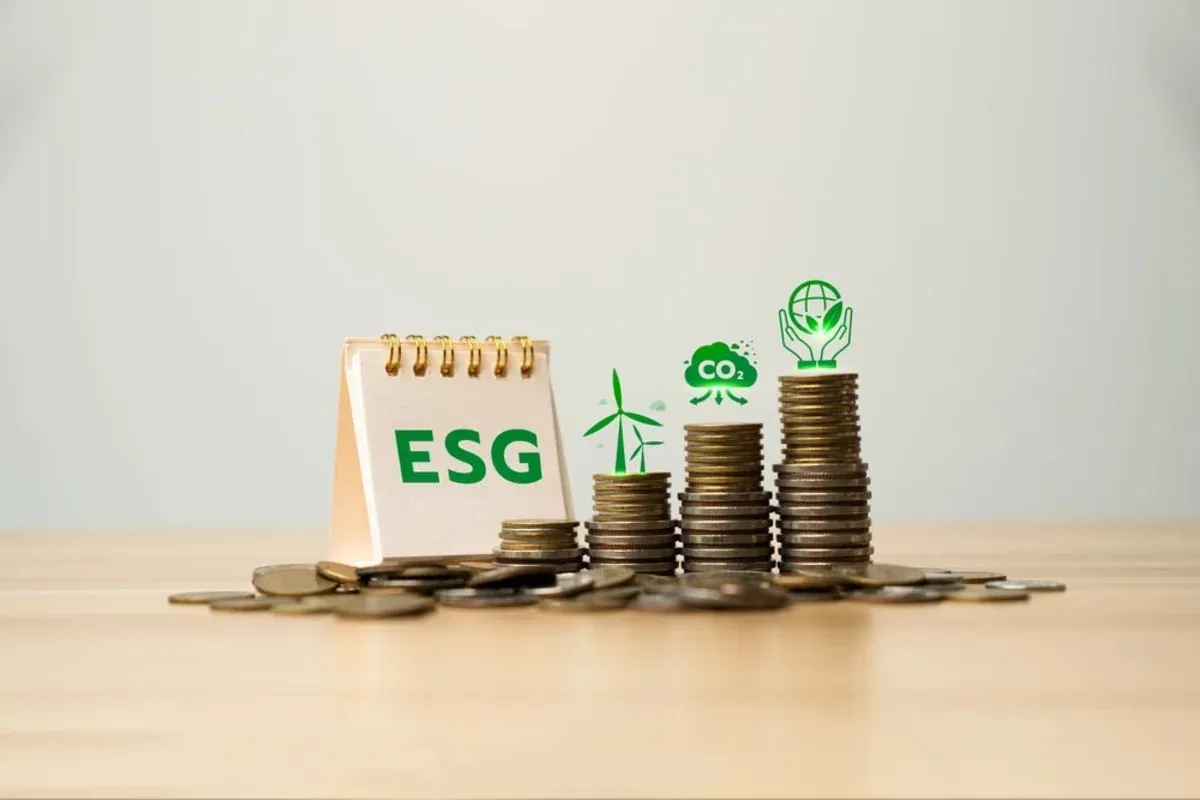
As climate change increasingly dominates headlines and social discussions, the narrative surrounding Generation Z's commitment to sustainable investing seems like a natural alignment. Recent surveys indicate that nearly all Gen Z and Millennial investors express a keen interest in aligning their portfolios with their ethical values. However, a stark contrast emerges when examining their actual investment behaviors. Despite their vocal support for Environmental, Social, and Governance (ESG) principles, many young investors are not putting their money where their mouths are. In 2025, global sustainable funds witnessed significant outflows, raising crucial questions about the future of sustainable finance and whether younger generations can be relied upon to drive this sector forward.
A 2025 survey from Morgan Stanley revealed that 99% of Gen Z investors and 97% of Millennials are interested in sustainable investing. Moreover, around 51% of Gen Z and 45% of Millennials reported that between 21% and 50% of their investment portfolios are allocated to sustainable options. This is a stark contrast to Baby Boomers, only 16% of whom are engaged with sustainable investment strategies. Given these statistics, one would expect a robust growth pattern in ESG investments. However, the reality tells a different story. In the same year, Morningstar reported that sustainable funds experienced a staggering $84 billion in net outflows, following a $38 billion inflow in 2024. This juxtaposition highlights the complexity of young investors' financial priorities.

The Market Dynamics of Sustainable Investing
The decline in ESG-focused investments among younger generations isn't necessarily a rejection of sustainable principles. Instead, it reflects broader market dynamics and financial constraints that young investors face. As the cost of living continues to rise—a concern highlighted in Deloitte's annual Gen Z and Millennial Survey—many young individuals find themselves prioritizing immediate financial stability over long-term ethical investment goals.
Shifting Priorities Amid Economic Uncertainty
Young investors are navigating a challenging economic landscape marked by high inflation rates and job market fluctuations. This economic uncertainty amplifies doubts about the financial returns of ESG investments. According to retail investors in the U.S., there is a prevailing expectation that ESG portfolios could underperform by 1.4% to 2.1% annually compared to traditional investments. Given these perceptions, many young investors are understandably hesitant to allocate significant portions of their portfolios to sustainable funds.
Why Sustainable Investing Matters
The implications of this trend extend beyond individual portfolios; they are significant for broader market dynamics and corporate responsibility. As Gen Z enters the workforce and begins to accumulate wealth, their investment choices will shape financial markets for years to come. Unlike previous generations that often delayed investing, studies show that 30% of Gen Z begin investing in early adulthood, compared to just 9% of Gen X and 6% of Baby Boomers. This change presents an opportunity for companies to align their offerings with the values of younger investors.

Building Trust in ESG Investments
For the ESG investment sector to thrive, it must address the concerns that deter young investors from committing capital. Young investors need to see tangible benefits from sustainable investing—both in terms of financial returns and positive societal impact. The recent volatility in sustainable funds, particularly during economic downturns, has raised questions about their reliability. Investors need assurance that their ethical commitments can coexist with financial stability.
Encouraging Transparent Practices
Transparency is key to building trust in ESG investments. Financial institutions must provide clear data on the performance of sustainable funds, including how they compare to traditional investments. Furthermore, education around the long-term benefits of sustainable investing can help shift perceptions and encourage more robust investment behaviors among younger generations. Asset owners globally anticipate that sustainable allocations will rise in the next two years, indicating a belief that the recent downturn was merely a temporary blip. As wealth transfers from Baby Boomers to younger generations, there is potential for a renewed focus on sustainable investing.

Conclusion: The Future of Sustainable Investing
While the current data may paint a concerning picture of young investors' engagement with sustainable funds, it is essential to recognize that attitudes are shifting. Gen Z's commitment to sustainability is undeniable, and as they gain more financial power, their investment habits are likely to evolve. The challenge lies in aligning their immediate financial needs with their long-term ethical goals. By fostering transparent practices and providing education on the benefits of sustainable investing, the financial industry can help bridge this gap. The future of ESG investing may hinge on the ability to meet the needs of the next generation of investors, ensuring that their green priorities are reflected in their portfolios.
Key Takeaways
- Strong Interest Yet Low Investment: Gen Z and Millennials show a high interest in sustainable investing, but actual investments remain low.
- Economic Pressures: Rising living costs and concerns about performance deter young investors from committing to ESG funds.
- Need for Transparency: Building trust through transparent practices and clear data on sustainable fund performance is crucial for attracting young investors.
- Future Potential: As wealth transfers from Baby Boomers, there is an opportunity for a renewed focus on sustainable investing among younger generations.
Frequently Asked Questions
Why are young investors hesitant to invest in ESG funds despite their interest?
Younger investors face significant economic pressures, such as rising living costs and job market uncertainties, which can make them cautious about investing in ESG funds. Additionally, there is a prevailing perception that these investments may underperform compared to traditional options, leading many to prioritize immediate financial stability over ethical considerations.
What role does transparency play in sustainable investing?
Transparency is key to building trust in ESG investments. Investors need clear data on the performance of sustainable funds and how they compare to traditional investments. By providing this information, financial institutions can help alleviate concerns and encourage more young investors to allocate capital toward sustainable options.
How can the financial industry better engage Gen Z and Millennials in sustainable investing?
The financial industry can engage younger investors by fostering transparent practices, offering educational resources about the long-term benefits of sustainable investing, and creating products that align with their values. By addressing the immediate financial concerns of young investors while highlighting the positive impact of sustainable investments, companies can better meet the needs of this generation.
What does the future hold for sustainable investing?
The future of sustainable investing is likely to evolve as Gen Z gains more financial power. As wealth transfers from Baby Boomers to younger generations, there is potential for a renewed focus on ESG investments. Financial institutions that adapt to the changing landscape and meet the demands of younger investors may find themselves at the forefront of this growing market.
Disclaimer: The content is educational, not financial advice.
Comments
SpaceX Stock Outlook: What to Expect as Lock-Up Period Ends
With the end of SpaceX's lock-up period approaching, investors are gearing up for potential volatility and opportunities. Here's what you need to know about the stock's performance and the company's future prospects.

Related articles






Popular in Investing
- Navigating the Dismal Landscape of 2026's Worst-Performing ETFs
- Stablecoin Market Faces $10 Billion Decline — What It Means for Investors
- Avantus Secures $525 Million for Major California Solar Project
- Navigating the Pet Stocks Market: Opportunities Amidst Challenges
- Market Turmoil: How Geopolitical Tensions and Earnings Reports Impact Stocks