Declining Brewery Numbers in Germany: An In-Depth Analysis
Germany's brewery landscape faces significant challenges as numbers drop for the third consecutive year, reflecting changing consumer preferences and declining beer sales.

The German beer industry, once a symbol of cultural pride and economic stability, is facing an alarming trend: a steady decline in the number of breweries. According to recent data from the Federal Statistical Office of Germany (Destatis), the number of breweries has decreased by 3.6% in 2025 compared to the previous year. This decline is part of a broader trend that has seen brewery numbers plummet by 8.8% since 2019, marking a critical turning point for an industry that has long been a cornerstone of German culture.
This article delves into the reasons behind this decline, the implications for the industry, and what it means for consumers and brewery owners alike. With beer sales also on the downturn, the future of Germany's brewing heritage hangs in the balance.
Understanding the Numbers: Decline in Brewery Counts
The data from Destatis reveals that the total number of breweries in Germany fell to a worrying low in 2025. The significant drop of 3.6% year-on-year is a stark reminder that the craft beer boom that characterized the early 2010s is now giving way to a more sobering reality. In 2025, only 7.8 billion liters of beer were sold in Germany, a decrease of 6% compared to 2024 and a staggering 15.7% decline from 2019 levels. This downward trend in both brewery counts and beer sales raises critical questions about the sustainability of the industry.
Regional Disparities in Brewery Numbers
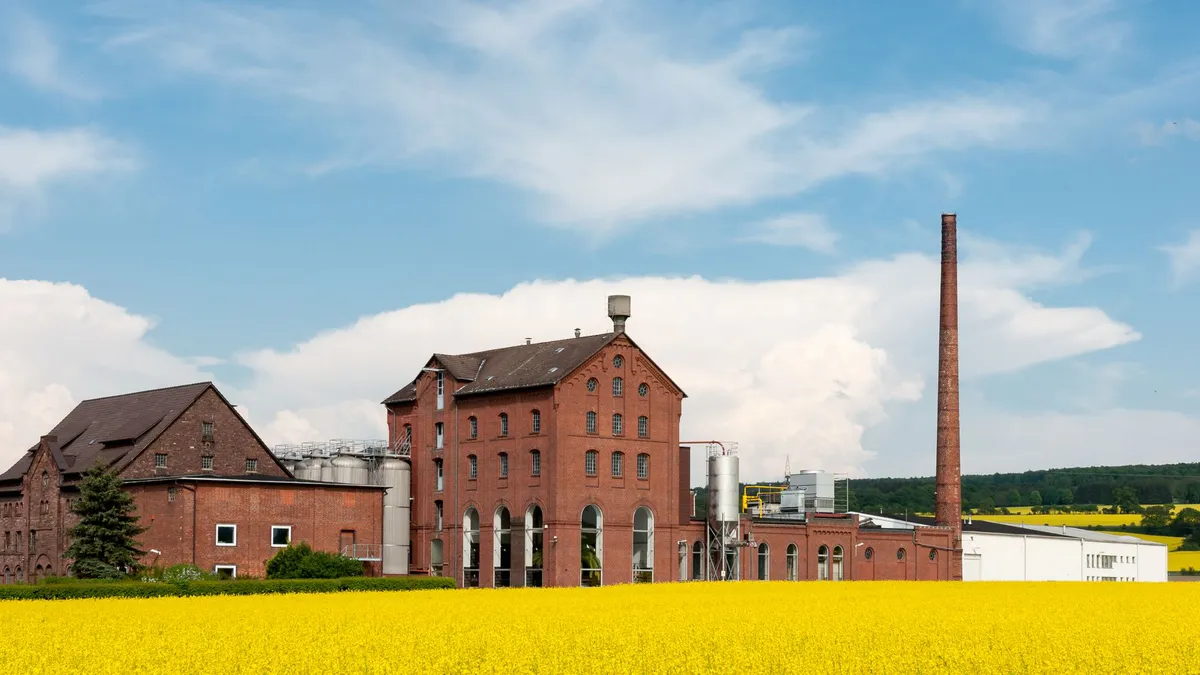
When examining the data more closely, it becomes clear that the decline is not uniform across the country. Bavaria remains the leading state with the highest number of breweries at 588, but even this region has seen a notable drop from 648 breweries in 2024. North Rhine-Westphalia also experienced a significant decline, falling from 162 to 131 breweries. In contrast, states like Mecklenburg-Western Pomerania and Saxony-Anhalt have bucked the trend, showing stability and even growth in their brewery counts.
Market Dynamics: The Impact of Changing Consumer Preferences
The decline in brewery numbers is not merely a statistical anomaly; it reflects broader shifts in consumer preferences. Many beer drinkers are moving away from traditional lagers and pilsners towards craft options, low-alcohol beverages, and even non-alcoholic alternatives. As consumers diversify their tastes, breweries that fail to adapt to these changes are finding it increasingly difficult to survive.
The rise of craft beer, while initially beneficial, has created an overcrowded market where differentiation is crucial. Smaller breweries often struggle to compete with larger, established brands that have greater resources for marketing and distribution. Consequently, many artisanal breweries are being forced to close their doors, contributing to the overall decline in numbers.
The Economic Implications of Brewery Closures
The economic ramifications of dwindling brewery numbers are significant. Not only do brewery closures affect local economies, but they also impact employment within the sector. As breweries shut down, jobs are lost, and regions that were once vibrant with brewing culture can see a decline in tourism and associated revenue. Furthermore, the decline in brewery count may lead to reduced tax revenues for local and state governments, which could impact public services.
- Job Losses: Brewing jobs are at risk as smaller breweries close.
- Tourism Impact: Regions lose their appeal as beer tourism diminishes.
- Tax Revenue Decline: Fewer breweries mean lower tax revenues for local governments.
Consumer Trends: What Beer Lovers Need to Know
Looking Ahead: The Future of Brewing in Germany
As we move forward, the future of breweries in Germany remains uncertain. While some areas show resilience, the overall trend is concerning. Industry experts suggest that innovation and adaptation will be crucial for survival. Breweries that can pivot towards creating unique offerings, collaborating with local businesses, and embracing sustainability practices may find new opportunities in this evolving market.
Furthermore, there is a growing movement within the industry to educate consumers about the brewing process and the importance of local ingredients. By fostering a deeper appreciation for craft beer, breweries may reignite interest and encourage more people to explore local options.
Key Takeaways
- The number of breweries in Germany has declined by 3.6% in 2025, continuing a downward trend.
- Beer sales in Germany dropped to 7.8 billion liters, a decrease of 6% year-on-year.
- Bavaria and North Rhine-Westphalia experienced the most significant declines in brewery numbers.
- Consumer preferences are shifting towards craft and non-alcoholic options, impacting traditional breweries.
- Supporting local breweries can help sustain the craft beer culture amidst these challenges.
Frequently Asked Questions
What factors are contributing to the decline in breweries in Germany?
The decline in breweries in Germany can be attributed to several interrelated factors, including a significant drop in beer sales, changing consumer preferences towards craft and low-alcohol options, and increased competition among breweries. The oversaturation of the market has made it more challenging for smaller breweries to thrive, leading to closures and a decrease in overall brewery numbers.
How does the decline in breweries affect local economies?
The closure of breweries can have a profound impact on local economies. Breweries often serve as community hubs, attracting tourists and generating jobs. When they close, not only are jobs lost, but the local economy can also suffer from reduced tourism and lower tax revenues. This can lead to a cycle of economic decline in areas that were once vibrant with brewing culture.
What can consumers do to support local breweries?
Consumers can play a vital role in supporting local breweries by purchasing their products, visiting taprooms, and participating in local beer events. Engaging with breweries on social media and spreading the word about their offerings can also help build a loyal customer base. By actively choosing to support local brewers, consumers can help sustain the craft beer culture and contribute to the local economy.
Is there hope for the future of breweries in Germany?
While the current trend is concerning, there is potential for renewal within the brewery sector. Innovation, collaboration, and a focus on sustainability can help breweries differentiate themselves and attract a loyal customer base. Educating consumers about the value of local craft beer and fostering a sense of community can also reignite interest and support for local breweries, paving the way for a more stable future.
This content is educational and not financial advice.
Comments
Snap Stock Surges 10% on Strong Earnings and World Cup Boost
Snap Inc. saw its stock price jump 10% following a promising earnings report that showcased improved advertising revenue and a boost from World Cup spending. The company is nearing 1 billion monthly users, signaling a positive trend amidst fierce competition.

Related articles





Popular in Investing
- Navigating the Dismal Landscape of 2026's Worst-Performing ETFs
- Stablecoin Market Faces $10 Billion Decline — What It Means for Investors
- Avantus Secures $525 Million for Major California Solar Project
- Navigating the Pet Stocks Market: Opportunities Amidst Challenges
- Market Turmoil: How Geopolitical Tensions and Earnings Reports Impact Stocks