Navigating the Oil Market Boom Amid Geopolitical Turmoil
The ongoing U.S.-Iran conflict has driven significant profits in the oil sector, but investors must tread carefully as volatility looms. This article explores the impact of geopolitical events on oil prices, examines key investments, and provides insights for long-term strategies.

The recent escalation of tensions in the Middle East, particularly the U.S.-Iran war, has sent shockwaves through the global oil market, leading to a significant uptick in profits for major oil companies. This surge in earnings has not only benefited the corporate giants like ExxonMobil and Chevron but also allowed savvy investors to capitalize on the volatility. However, experts warn that while short-term gains can be alluring, holding onto these investments may prove risky as the geopolitical landscape continues to shift.
In the second quarter of this year, ExxonMobil reported a staggering profit of $14.5 billion, doubling its earnings year-over-year, while Chevron's income soared nearly 400%. These results underscore the dramatic effect that geopolitical tensions have on oil prices, which have fluctuated wildly in recent months. Investors who have ventured into this sector have seen substantial gains, but with the ever-changing global situation, the question remains: is it wise to hold onto these investments for the long haul?
Understanding the Current Oil Market Dynamics
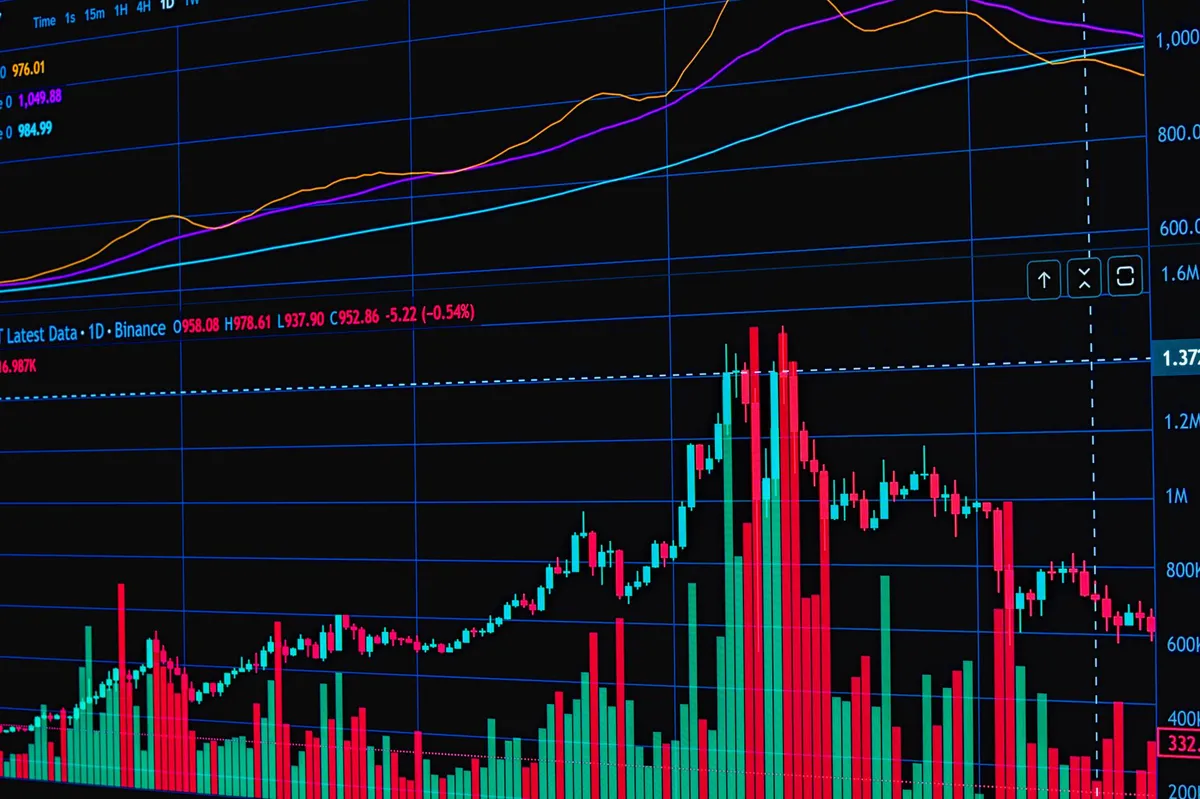
Oil prices have been on a rollercoaster ride due to geopolitical factors, notably the ongoing conflict in Iran and the tensions between Russia and Ukraine. From March to June, U.S. crude oil futures averaged over $92 per barrel, reflecting a 27% increase in that quarter alone. Yet, the volatility has been stark; prices peaked at nearly $120 before plummeting to around $72, only to fluctuate within that range. Such instability leads to uncertainty, particularly for long-term investors.
As of late last week, U.S. crude was trading under $85 per barrel, while Brent crude hovered around $90. Recent comments from political leaders hinting at a potential resolution to the Iranian conflict have caused prices to dip by more than 5%. This rapid change in sentiment illustrates how geopolitical events can dramatically alter market perceptions and pricing, creating both opportunities and pitfalls for investors.
Who Benefits from the Oil Surge?
The energy sector has indeed been a goldmine for traders who capitalized on the recent volatility. Major players like Valero Energy reported earnings up over 400% compared to last year, as they navigate a global refining market that is still lagging behind demand. With estimates indicating a shortfall of five million barrels per day in global refining capacity, the potential for profit remains high for those positioned correctly.
Among the biggest winners in this environment are exchange-traded funds (ETFs) that focus on oil and energy sectors. Some standout performers include:
- United States Oil Fund (USO) — up 87% year-to-date
- Invesco DB Oil Fund (DBO) — up 76%
- United States Brent Oil Fund (BNO) — up 78.1%
- VanEck Oil Refiners ETF (CRAK) — up 44.6%
- Energy Select Sector SPDR ETF (XLE) — up over 30%
These funds have capitalized on the rising oil prices, attracting significant investor interest. However, as the market remains susceptible to rapid changes, the sustainability of these gains is questionable.
Volatility: A Double-Edged Sword
While some investors have successfully navigated the turbulent waters of the oil market, experts caution that the majority may struggle with timing their investments correctly. According to Dave Nadig, an analyst at ETF.com, relying on short-term geopolitical events for investment decisions can be akin to gambling rather than investing. Individual investors often fare poorly in volatile conditions, as they lack the sophisticated market timing strategies employed by professional traders.
Historically, individual investors tend to experience significant losses when trying to time their entry and exit points in a fluctuating market. The current situation in the oil sector is no different, with many buy-and-hold investors likely to get caught off guard by sudden market shifts. Nadig emphasizes that for long-term investors, focusing on broader, more diversified investment strategies may yield better results in the long run.
Long-Term Strategies: Looking Beyond Oil
For those looking to invest in the energy sector without falling prey to the volatility of oil prices, experts suggest exploring diversified energy-focused ETFs that include natural gas and other forms of energy. Aniket Ullal, head of ETF research & analytics at CFRA, highlights that while oil may currently dominate headlines, natural gas presents a compelling opportunity for future growth, particularly as technological advancements drive demand.
Infrastructure ETFs, such as the Alerian MLP ETF (AMLP) and the First Trust North American Energy Infrastructure Fund (EMLP), are also gaining traction as they provide exposure to energy infrastructure rather than direct oil prices. These funds can offer a more stable investment avenue during turbulent times, allowing investors to benefit from the overall growth of the energy sector without being overly reliant on oil price fluctuations.
Market Outlook: What Lies Ahead?
As geopolitical tensions continue to evolve, analysts remain cautious about the sustainability of current oil prices. CFRA analysts have recently downgraded their outlook on energy, suggesting that any price surges may be short-lived and reactionary. Their predictions place WTI crude prices more in the $60 per barrel range, indicating a potential cooling off of the current oil boom.
Investors should remain vigilant and adaptable, recognizing that the energy market is multifaceted and influenced by numerous external factors. Long-term strategies should emphasize lower-cost, diversified investments rather than trying to capitalize on short-term fluctuations. As Bryan Armour from Morningstar advises, focusing on broader investment themes is likely to yield better outcomes in the long run.

Key Takeaways
- Investments in the oil sector have seen significant short-term gains due to geopolitical tensions, but volatility remains a concern.
- ETFs focused on oil and energy sectors have performed well, but timing the market can be risky for individual investors.
- Long-term strategies should emphasize diversification and focus on broader energy themes, including natural gas and infrastructure.
- Analysts predict potential cooling of oil prices, suggesting a shift in focus for investors.
- Staying informed and adaptable is crucial in the ever-changing energy market landscape.
Frequently Asked Questions
What factors are driving the current volatility in oil prices?
The volatility in oil prices is primarily driven by geopolitical tensions, particularly the ongoing conflict between the U.S. and Iran and the situation in Ukraine. These events create uncertainty in supply and demand dynamics, leading to rapid fluctuations in oil prices. Additionally, factors such as refining capacity and global economic conditions also play a role in influencing oil market stability.
How can investors mitigate risks when investing in energy sectors?
Investors can mitigate risks in energy sectors by adopting a diversified investment approach. This may include investing in ETFs that encompass a broader range of energy sources, such as natural gas and renewable energy, rather than focusing solely on oil. Additionally, maintaining a long-term perspective and avoiding short-term speculative trading can help reduce exposure to market volatility.
Are there better investment opportunities beyond oil?
Yes, there are several promising investment opportunities beyond oil. Natural gas, for instance, is gaining traction as demand increases, especially with the rise of data centers and AI technology. Additionally, infrastructure-related ETFs offer stable investment avenues by focusing on energy infrastructure rather than direct commodity prices, providing a more balanced approach to investing in the energy sector.
What should investors consider before entering the oil market?
Before entering the oil market, investors should consider their risk tolerance and investment horizon. The oil market can be highly volatile, and understanding the geopolitical factors at play is crucial. It’s advisable to conduct thorough research, possibly consult with financial advisors, and consider diversifying investments to spread risk across various energy sectors rather than relying solely on oil.
The content presented here is educational and not financial advice.
Comments
Snap Stock Surges 10% on Strong Earnings and World Cup Boost
Snap Inc. saw its stock price jump 10% following a promising earnings report that showcased improved advertising revenue and a boost from World Cup spending. The company is nearing 1 billion monthly users, signaling a positive trend amidst fierce competition.

Related articles





Popular in Investing
- Navigating the Dismal Landscape of 2026's Worst-Performing ETFs
- Stablecoin Market Faces $10 Billion Decline — What It Means for Investors
- Avantus Secures $525 Million for Major California Solar Project
- Navigating the Pet Stocks Market: Opportunities Amidst Challenges
- Market Turmoil: How Geopolitical Tensions and Earnings Reports Impact Stocks