GameStop's $1.4 Billion Debt-for-Equity Swap: What Investors Need to Know
GameStop's recent move to exchange $1.4 billion in convertible notes for shares has sent its stock tumbling. Dive into the implications of this decision and what it means for investors.
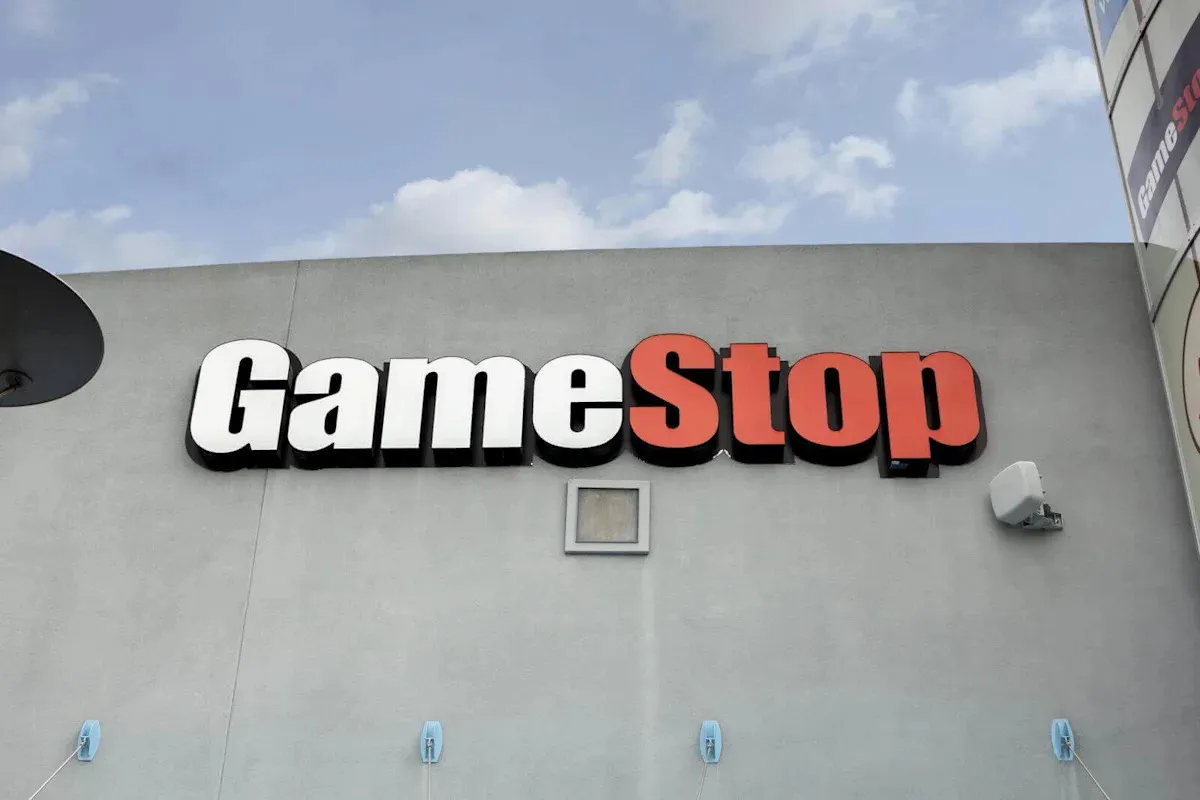
GameStop Corp. (GME) has once again found itself in turbulent waters, with shares plummeting as the company pursues a significant corporate maneuver that has raised alarm bells among investors. This week, GameStop announced a debt-for-equity swap involving $1.4 billion in zero-coupon convertible senior notes due in 2030 and 2032. The implications of this move have sent shockwaves through the stock market, leading to a steep decline in GME’s share price, which has already been struggling in recent months.
As GameStop attempts to navigate a rapidly changing retail landscape, the decision to convert debt into equity without raising cash has raised serious concerns about dilution and the company's long-term viability. For many investors, the announcement has been nothing short of a wake-up call, revealing the precarious position of the company and the potential risks ahead.
Understanding the Debt-for-Equity Swap
A debt-for-equity swap is a financial strategy that companies sometimes use to reduce liabilities. In this case, GameStop is exchanging its convertible notes for Class A shares. While this move allows the company to eliminate a significant portion of its outstanding long-term debt, it comes at a cost: the issuance of new shares will dilute the ownership percentage of existing shareholders.
How It Works
Here's a closer look at how the swap works:
- Convertible Notes: These are debt securities that can be converted into a predetermined amount of the company's equity, typically at the discretion of the noteholder.
- Zero-Coupon: The notes do not pay interest during their term; instead, they are issued at a discount and redeemed at face value upon maturity.
- Potential Dilution: New shares issued will increase the total shares outstanding, which can lead to a reduction in earnings per share (EPS) for existing shareholders.

The Impact of Dilution on Shareholders
The immediate fallout from this announcement has been pronounced. GameStop stock fell through its 20-day moving average, signaling bearish momentum. Analysts and investors are increasingly concerned about how this dilution will affect their investment. For example, if GameStop issues a large block of new common stock based on a volume-weighted average price, existing shareholders may see their holdings significantly devalued.
For many, the dilution signals a lack of confidence in the company's ability to generate cash flow through its core business operations. The ongoing shift in the gaming industry towards digital downloads and subscription models has left traditional retailers like GameStop scrambling to adapt. As sales from brick-and-mortar stores continue to decline, the pressure mounts on management to find innovative solutions to stabilize the company.
GameStop's Struggles in a Changing Market
The video game retail industry has undergone seismic changes in recent years, and GameStop has found it challenging to keep pace. The company's attempts to pivot towards digital offerings and e-commerce have yet to deliver the desired results. Despite eliminating long-term debt, its core business remains under relentless pressure from competitors and changing consumer preferences.
Challenges Facing GameStop
Here are some of the key challenges the company faces:
- Declining Physical Sales: As more gamers opt for digital purchases, the demand for physical game copies has dwindled.
- Competition from Subscription Services: Platforms like Xbox Game Pass and PlayStation Now are reshaping how games are consumed.
- Cryptocurrency Volatility: GameStop's foray into Bitcoin has not provided the financial lift many hoped for, as the cryptocurrency struggles to maintain stability above significant price thresholds.

The Lack of Wall Street Coverage
Another troubling sign for investors is GameStop’s lack of coverage from Wall Street analysts. This absence means that potential investors are left to navigate the complexities of valuing the company and assessing its future prospects without professional insights. The lack of coverage can lead to increased volatility as investors react to news and market trends without guided analysis.
With an overwhelming 88% “SELL” opinion from analysts specializing in technical momentum, it’s clear that many view GameStop as a risky investment at this time. This opinion raises the stakes for existing shareholders and those considering entering the market.
What Should Investors Do Now?
For investors holding GameStop shares, the recent developments raise crucial questions about the future of their investment. Should they hold onto their shares, or is it time to cut losses and move on? Here are a few strategies that investors might consider:
- Assess Risk Tolerance: Evaluate personal risk tolerance and investment goals before making decisions. GameStop’s volatility may not align with conservative investment strategies.
- Stay Informed: Keep abreast of company announcements and market trends. Staying informed can help anticipate potential price movements.
- Diversify Holdings: Consider diversifying into other investments to mitigate risks associated with holding a single stock.
Key Takeaways
- GameStop's $1.4 billion debt-for-equity swap raises concerns about share dilution.
- The company's core business continues to face challenges from digital competition.
- Lack of Wall Street coverage makes it difficult for investors to evaluate GameStop's prospects.
- Investors should assess their risk tolerance and stay informed about market developments.
Frequently Asked Questions
What is a debt-for-equity swap?
A debt-for-equity swap is a financial strategy where a company converts its debt into equity by issuing shares to creditors. This can help the company reduce its liabilities but may dilute the ownership of existing shareholders.
Why is GameStop's stock falling?
GameStop's stock is experiencing a decline primarily due to the announcement of a debt-for-equity swap that raises dilution concerns. Additionally, ongoing struggles in the gaming retail market and the absence of Wall Street coverage contribute to uncertainty around the stock.
How does dilution affect shareholders?
Dilution occurs when a company issues new shares, which increases the total shares outstanding. This can lead to a decrease in earnings per share (EPS) and overall value for existing shareholders, as their ownership percentage in the company is reduced.
Should I invest in GameStop now?
Deciding whether to invest in GameStop requires careful consideration of your risk tolerance and investment strategy. Given the current volatility and lack of clarity surrounding the company's future, it may be prudent to conduct thorough research and consider diversifying your investment portfolio.
*This content is educational and not financial advice.*
Comments
S&P 500 and Dow Hit Record Highs Amid Earnings Surge and Geopolitical Optimism
Stocks soared to new heights on Wall Street, with the S&P 500 and Dow Jones Industrial Average reaching record levels. Strong earnings reports and optimism about a potential reopening of the Strait of Hormuz fueled investor enthusiasm.

Related articles



Popular in Investing
- Navigating the Dismal Landscape of 2026's Worst-Performing ETFs
- Stablecoin Market Faces $10 Billion Decline — What It Means for Investors
- Avantus Secures $525 Million for Major California Solar Project
- Navigating the Pet Stocks Market: Opportunities Amidst Challenges
- Market Turmoil: How Geopolitical Tensions and Earnings Reports Impact Stocks