Oil Prices Fluctuate Amidst U.S.-Iran Tensions: A Market Analysis
Recent shifts in oil prices illustrate the delicate balance between geopolitical tensions and market expectations. This article delves into the implications of U.S.-Iran relations on oil supply and pricing.
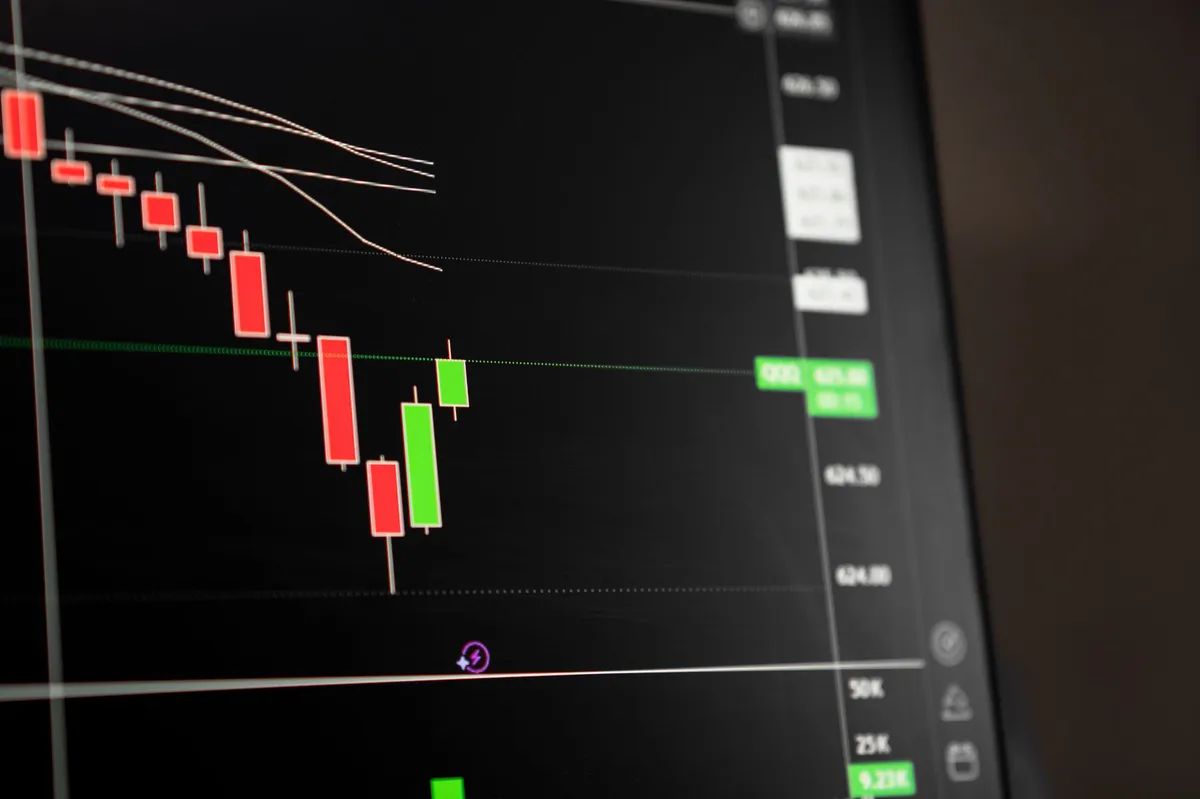
As the world navigates a complex landscape of geopolitical tensions, oil prices have become a focal point for investors seeking to understand the implications of these conflicts on global energy markets. Recently, oil prices have shown signs of volatility, particularly in the wake of escalating hostilities between the United States and Iran. Following a brief surge, oil prices eased as traders weighed the potential for peace against the backdrop of ongoing military exchanges.
On July 9, 2026, Brent crude futures were recorded at $77.91 a barrel, down 11 cents, or 0.1%, while U.S. West Texas Intermediate (WTI) crude dropped 38 cents, or 0.5%, settling at $73.14 a barrel. These fluctuations reflect the inherent volatility in oil markets, particularly as they respond to news and developments in the geopolitical arena.
Geopolitical Tensions and Market Reactions
Recent events have significantly impacted oil prices, as the market reacted to news of military actions involving the U.S. and Iran. After the U.S. launched airstrikes on Iranian positions, Iran retaliated with missile strikes on U.S. military infrastructure in neighboring Gulf states. This back-and-forth has created a sense of unease among traders, leading to heightened sensitivity to any news that could suggest a deterioration or improvement in peace negotiations.
Understanding the Strait of Hormuz
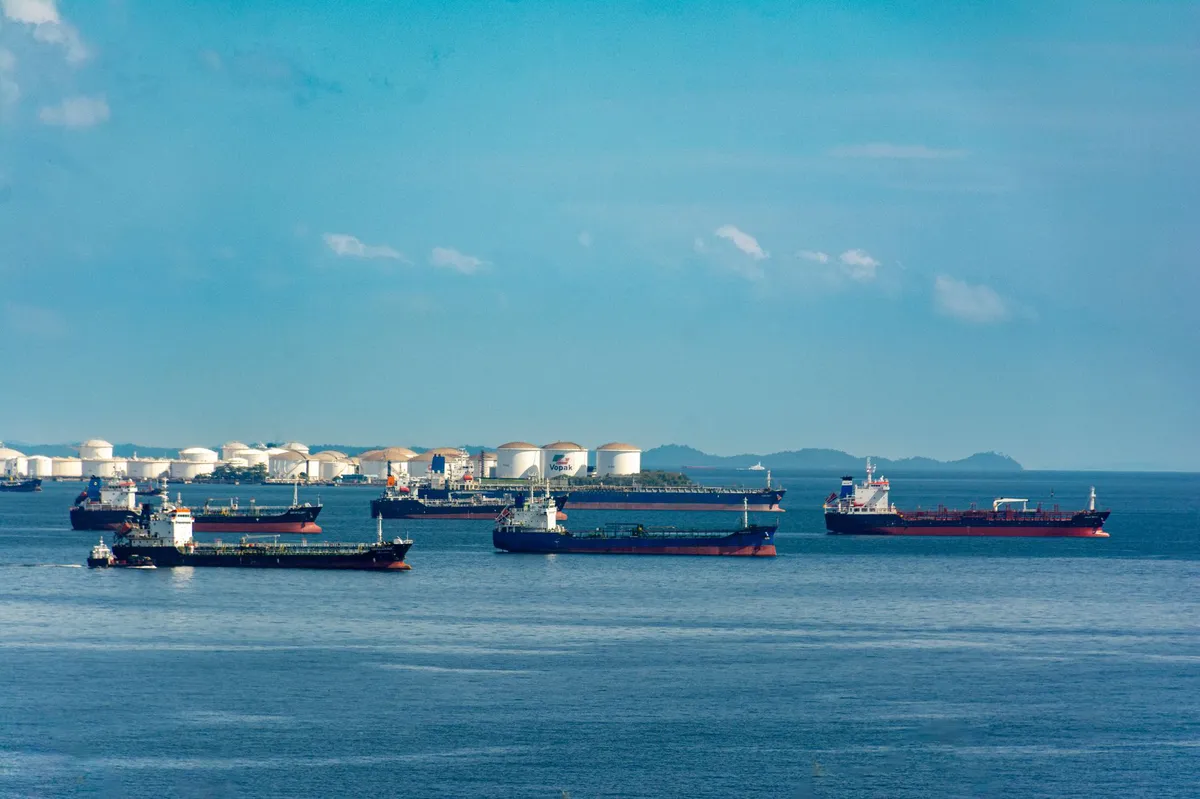
The Strait of Hormuz is a vital chokepoint for global oil supply, with approximately 20% of the world’s oil and liquefied natural gas passing through this narrow waterway prior to the Iran conflict that escalated in February 2026. Control of the Strait has been a critical point of leverage for Iran, and any disruptions here can lead to significant price fluctuations in global oil markets. The recent military actions and the resulting tensions have raised concerns about the security of shipping routes, prompting some shipping companies to reconsider their operations in the region.
Market Predictions and Economic Implications
Despite the immediate pressures from geopolitical conflicts, analysts are divided on the future of oil prices. New York Federal Reserve President John Williams recently indicated that market expectations lean towards a decrease in oil prices over the next six to twelve months. This sentiment is echoed by several investment banks, including Goldman Sachs, which anticipates that oil flows could normalize by the end of July if negotiations progress positively.
Factors Influencing Future Oil Prices
Several factors will play a crucial role in determining the trajectory of oil prices:
- Peace Negotiations: Continued diplomatic efforts are essential. If talks succeed, it could stabilize prices and facilitate a return to normalcy in oil flows.
- U.S. Sanctions and Waivers: The reinstatement of sanctions waivers for Iranian oil could significantly impact supply and pricing dynamics.
- Security Assurances for Shipping: Enhanced security for vessels traversing the Strait of Hormuz is crucial for restoring confidence in oil transport.
- Global Inventory Levels: Market absorption of surplus supplies and rising inventories could also affect price stability.
Reactions from Industry Experts
The perspective of industry analysts adds another layer of insight into the evolving situation. Aneeka Gupta, director of macroeconomic research at WisdomTree, predicts that Brent crude will likely trade within a $75–$85 range over the upcoming month, with a potential for modest upward movement. Gupta emphasizes that while supply recovery is underway, it remains incomplete, and that the narrative of a surplus has shifted due to ongoing geopolitical tensions.
Impact of Russian Diesel Export Ban
In addition to Middle Eastern tensions, global oil markets are also reacting to other developments, such as Russia's recent ban on diesel exports. This decision was made in response to domestic fuel shortages exacerbated by Ukrainian drone attacks on Russian refineries. Such actions further complicate the global energy landscape, as countries adjust to shifting supply chains and price dynamics.
Key Takeaways
- Oil prices are currently volatile due to escalating U.S.-Iran tensions.
- The Strait of Hormuz is critical for global oil supply, making its security paramount.
- Market experts predict potential price stabilization if peace negotiations progress.
- Additional factors such as Russian export bans and inventory levels also influence market dynamics.
- Continued monitoring of geopolitical developments is essential for investors and consumers alike.
Frequently Asked Questions
What role does the Strait of Hormuz play in global oil supply?
The Strait of Hormuz is a vital maritime corridor through which a significant portion of the world’s oil supplies transit. Approximately 20% of global oil and liquefied natural gas moves through this narrow strait, making it a critical chokepoint for energy security. Any disruptions in this area can lead to immediate and severe impacts on oil prices worldwide.
How do geopolitical tensions affect oil prices?
Geopolitical tensions create uncertainty in the oil market, leading to increased volatility. Investors closely monitor conflicts that could disrupt oil supply, and any escalation typically results in price spikes. Conversely, news of peace negotiations or de-escalation can lead to price declines as markets adjust to the potential for stabilizing supply.
What are the potential outcomes for oil prices in the coming months?
Analysts suggest that if peace talks succeed and sanctions waivers are reinstated for Iranian oil, prices might normalize and stabilize within a defined range. However, failure in negotiations or renewed attacks could lead to further disruptions, making the market highly sensitive to ongoing geopolitical developments.
How should consumers prepare for potential oil price changes?
Consumers can prepare by staying informed about global oil market trends and geopolitical events that might affect prices. This awareness can help individuals make more informed decisions regarding fuel purchases, transportation choices, and even investments related to energy sectors.
Disclaimer: This content is educational, not financial advice.
Comments
Michael Burry's Strategic Bet Against Prediction Markets
Investor Michael Burry is betting against prediction markets, foreseeing regulatory crackdowns that could benefit established sportsbooks like DraftKings and Flutter Entertainment. This article explores the implications of his strategy and the future landscape of betting in the U.S.

Related articles





Popular in Investing
- Navigating the Dismal Landscape of 2026's Worst-Performing ETFs
- Navigating the Turbulent Waters of Energy Markets: A Deep Dive
- Stablecoin Market Faces $10 Billion Decline — What It Means for Investors
- Cotton Futures Surge Despite Increased Production Forecasts
- Avantus Secures $525 Million for Major California Solar Project