Cruise Line Showdown: Royal Caribbean vs. Norwegian Cruise Line
The second quarter of 2026 showcased a stark divide in the cruise industry, highlighting how Royal Caribbean and Norwegian Cruise Line are navigating economic pressures. This article explores their differing strategies and market performances.
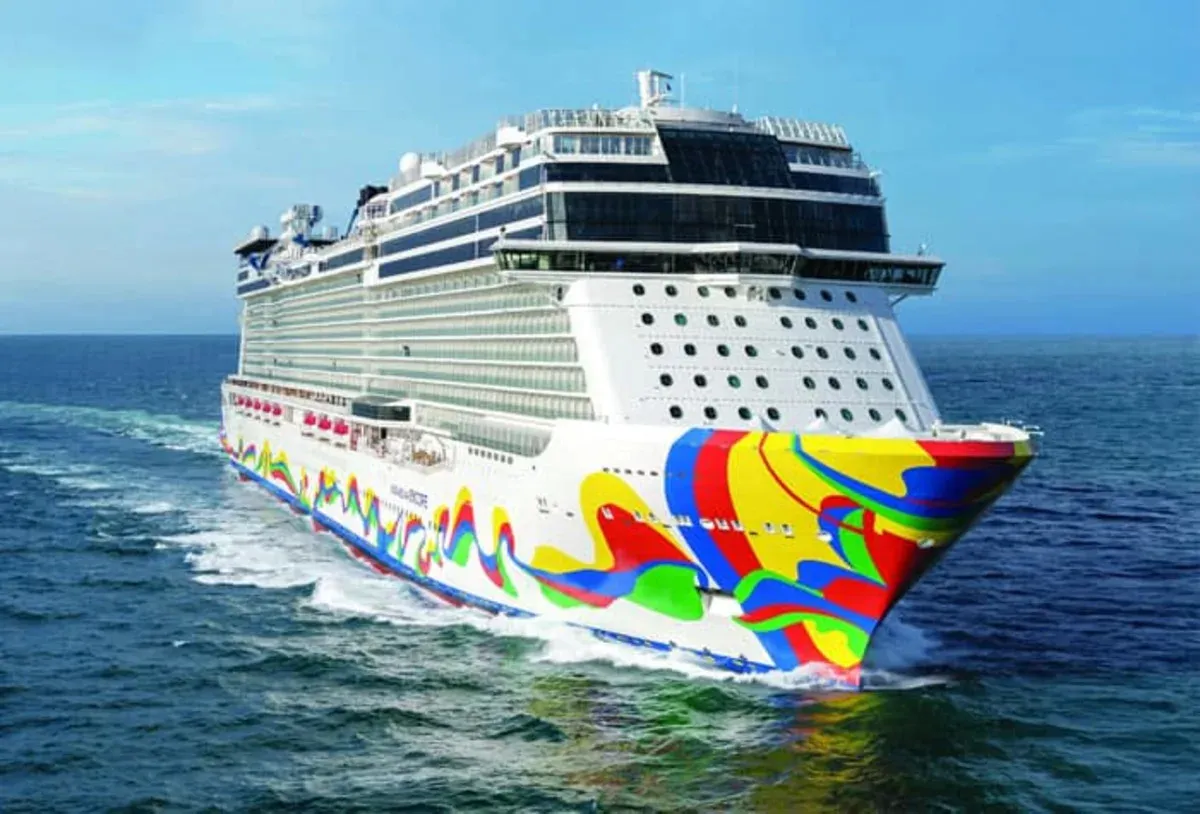
The cruise industry has always been a barometer of consumer sentiment and discretionary spending, and the second quarter of 2026 has spotlighted a significant divide between two major players: Royal Caribbean Cruises Ltd. and Norwegian Cruise Line Holdings Ltd. As inflation persists and interest rates remain high, these companies face unique challenges and opportunities that could shape their futures and the broader cruise market. Understanding the operational strategies and financial performances of these cruise operators can provide valuable insights for consumers and investors alike.
Royal Caribbean, with its expansive fleet and innovative offerings, has demonstrated a remarkable ability to capitalize on consumer demand, while Norwegian Cruise Line's recent struggles underscore the difficulties faced by companies reliant on international travel. This article delves into their recent earnings reports, market positions, and what it means for the future of cruising.

Royal Caribbean: A Beacon of Resilience
Royal Caribbean Cruises Ltd. (NYSE:RCL) has emerged as a standout in the cruising sector during the second quarter of 2026, reporting total revenues of $4.8 billion—a 6% increase from the previous year. Their adjusted earnings per share of $4.21 exceeded Wall Street expectations, underscoring the company’s robust financial health. The key drivers behind this success include:
- **High demand for close-in bookings**: The company has seen a surge in last-minute bookings, particularly for its mega-ships.
- **Record pricing**: Royal Caribbean's ability to command premium prices has solidified its market share, with an impressive load factor of 110%.
- **Strategic investments**: Their high-margin private destination assets have added significant value to the customer experience.
Encouraged by these results, Royal Caribbean's management has raised its full-year adjusted earnings per share guidance to between $17.73 and $17.87. This optimism is bolstered by the company’s ability to improve net yields while keeping unit costs under control, a crucial feat in today’s economic climate.

Norwegian Cruise Line: Facing Headwinds
In stark contrast, Norwegian Cruise Line Holdings Ltd. (NYSE:NCLH) reported a more tempered financial outlook during the same period. Although their Q2 revenue reached $2.64 billion, which was above consensus forecasts, the company’s adjusted earnings per share of $0.48 raised concerns about underlying demand issues. Factors contributing to this cautious narrative include:
- **Declining net yields**: Norwegian reported a 2.1% drop in net yields, primarily due to lower booking demand for European trips.
- **Price sensitivity among consumers**: Tourists have become increasingly hesitant to book international trips amidst rising airfares.
- **Aggressive cost-cutting measures**: In response to these challenges, Norwegian has implemented cost-saving strategies aimed at achieving $225 million in annualized savings.
This shift has led Norwegian to revert to a base-load pricing approach, hoping to stabilize its booking curve amidst growing consumer caution.
Comparative Valuation and Market Sentiment
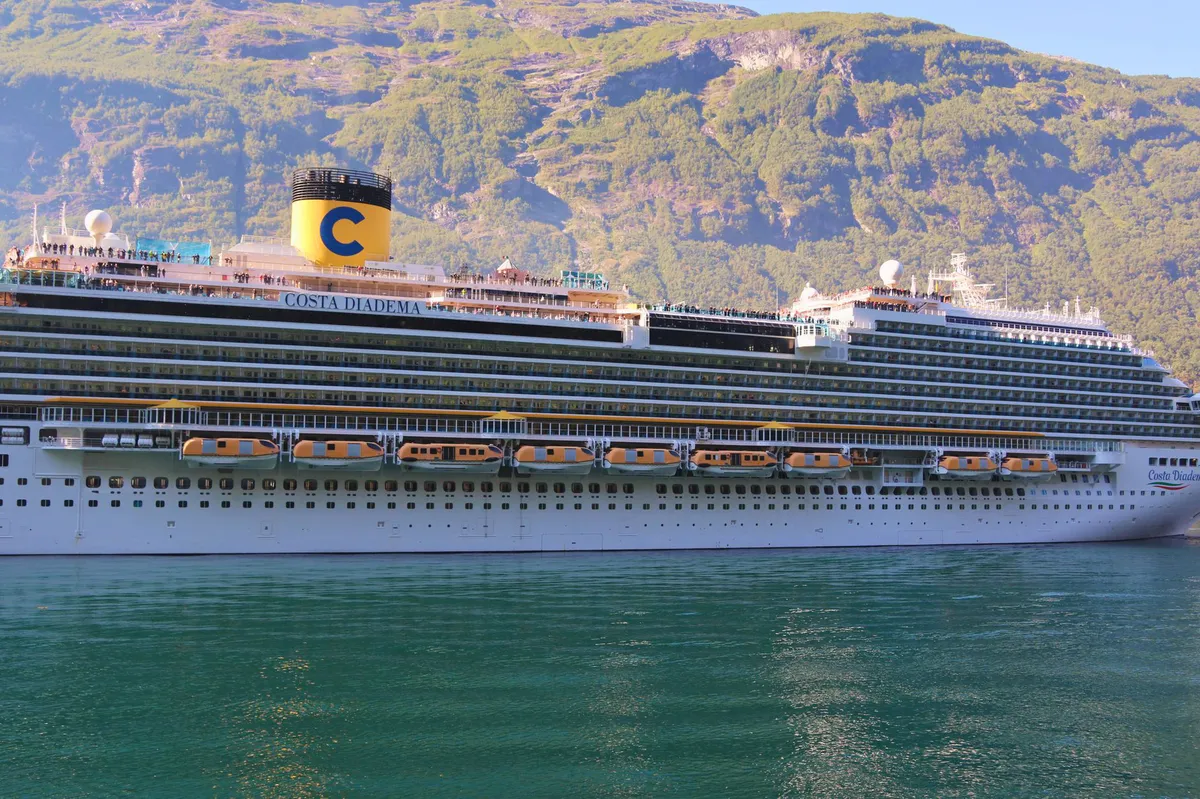
The financial metrics between Royal Caribbean and Norwegian Cruise Line reflect a significant divergence in market perception and investment potential. Royal Caribbean boasts a forward price-to-earnings (P/E) ratio of 15.73x and an EV/EBITDA ratio of 15.80x. These figures indicate a premium valuation that is supported by strong net yields and a solid return on capital. In contrast, Norwegian Cruise Line is trading at a discount with a forward P/E of 10.25x and an EV/EBITDA multiple of 8.56x.
Institutional investor sentiment also tells a compelling story. Royal Caribbean has maintained stable institutional backing, with 53 hedge funds holding positions as of Q1 2026. In contrast, Norwegian has seen its hedge fund interest rise from 51 to 55, but the company's short interest has soared to 18.01% of outstanding shares—a clear indicator of investor apprehension regarding its future yield prospects and leverage exposure.
Strategic Insights for Investors
As the cruise industry navigates through economic turbulence, the contrasting performances of Royal Caribbean and Norwegian Cruise Line provide important lessons for investors. The ability to adjust pricing strategies, manage costs effectively, and respond to changing consumer behavior is critical. Key investment considerations include:
- **Market positioning**: Royal Caribbean's strong brand and operational scale give it a competitive edge, particularly during economic downturns.
- **Consumer preferences**: Understanding shifts in travel patterns, especially towards domestic versus international travel, can help gauge future performance.
- **Financial health**: Monitoring debt levels and leverage ratios will be crucial in assessing long-term sustainability, particularly for companies like Norwegian that are facing headwinds.
While Royal Caribbean shows promise as a resilient investment option, Norwegian Cruise Line's ongoing challenges could present opportunities for savvy investors looking for undervalued assets in the cruise market.
Key Takeaways
- Royal Caribbean demonstrated strong financial performance in Q2 2026 with a revenue increase of 6%.
- Norwegian Cruise Line faces challenges with declining net yields and rising consumer price sensitivity.
- Market valuations indicate a significant divide, with Royal Caribbean trading at a premium and Norwegian at a discount.
- Investor sentiment leans favorably towards Royal Caribbean, while Norwegian faces increased short interest.
Frequently Asked Questions
What factors are influencing the cruise industry currently?
The cruise industry is heavily influenced by broader economic conditions, such as inflation and interest rates, which impact consumer discretionary spending. As costs for air travel and onboard experiences increase, consumers are becoming more selective in their travel choices, favoring close-in bookings over longer international trips.
How do Royal Caribbean and Norwegian Cruise Line differ in their business strategies?
Royal Caribbean focuses on maximizing revenue through premium pricing and high occupancy rates on its mega-ships, while Norwegian is adjusting its strategies to combat declining net yields by implementing cost-cutting measures and reverting to more conservative pricing structures.
What should investors consider when evaluating cruise stocks?
Investors should analyze a cruise company's financial health, market positioning, consumer trends, and management strategies. Understanding the impacts of economic conditions on travel demand can also provide critical insights into potential investments in this sector.
Are there opportunities in the cruise stock market despite current challenges?
Yes, while the current environment presents challenges, there are opportunities for investors to identify undervalued stocks. Companies that can adapt quickly to changing consumer preferences and manage operational costs effectively may present attractive investment opportunities in the long run.
Disclaimer: The content is educational, not financial advice.
Comments
Amazon's Bold AI Investment: A Game Changer for Investors
Amazon's recent $220 billion investment in AI infrastructure is raising eyebrows, but key metrics suggest this spending could yield significant returns. With a massive backlog and strong earnings growth, here's why this spending might be less risky than it appears.

Related articles







Popular in Investing
- Navigating the Dismal Landscape of 2026's Worst-Performing ETFs
- Stablecoin Market Faces $10 Billion Decline — What It Means for Investors
- Avantus Secures $525 Million for Major California Solar Project
- Navigating the Pet Stocks Market: Opportunities Amidst Challenges
- Market Turmoil: How Geopolitical Tensions and Earnings Reports Impact Stocks