Bitcoin and Ethereum Price Update: Market Trends and Investment Insights
On August 6, 2026, Bitcoin and Ethereum show positive trends amidst geopolitical negotiations and economic reports. This article delves into current prices, historical data, and investment implications.
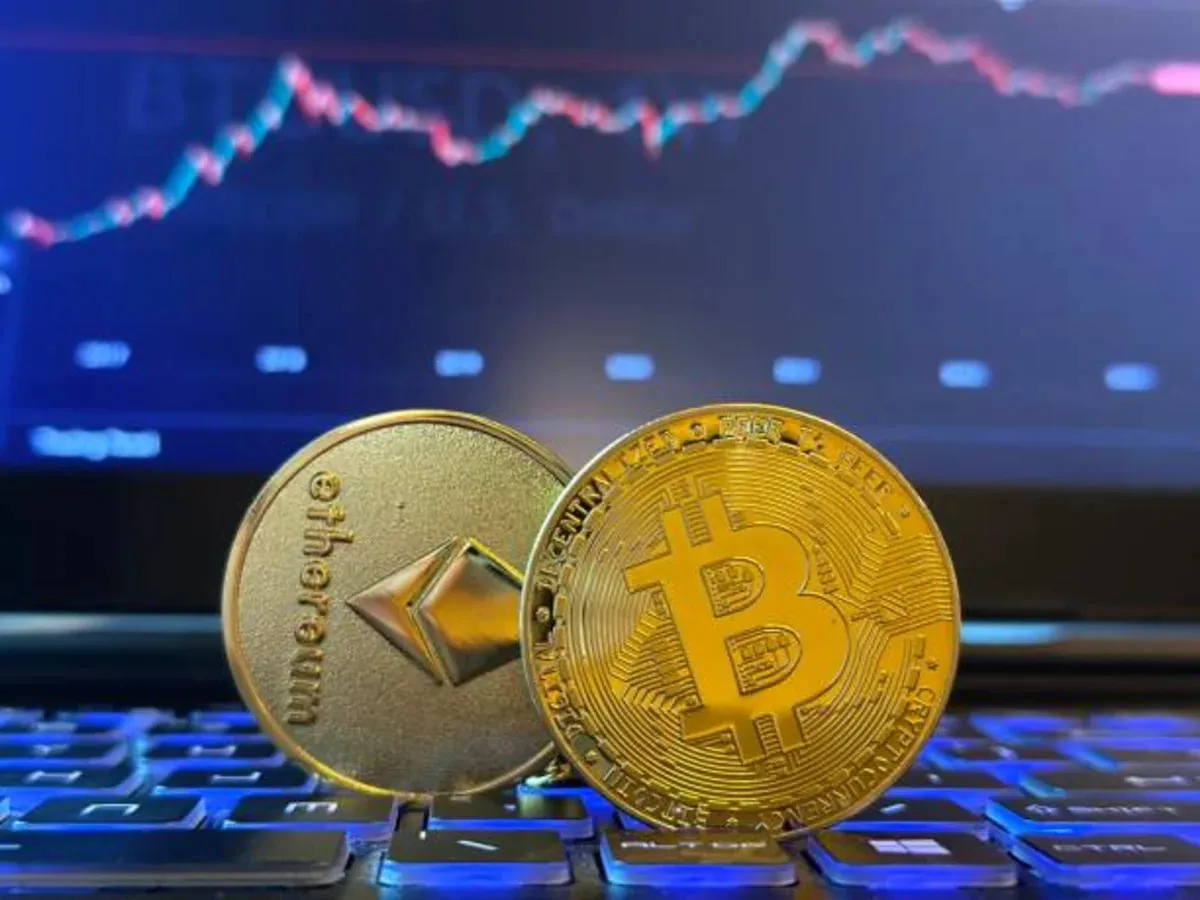
As financial markets remain in flux, the prices of Bitcoin and Ethereum have shown resilience on August 6, 2026. Bitcoin (BTC), which opened at $64,602.32, demonstrated a modest increase of 0.9% compared to the previous day, while Ethereum (ETH) opened at $1,906.96, reflecting a more robust rise of 2.1%. These fluctuations are occurring against a backdrop of ongoing negotiations in the Strait of Hormuz and an underwhelming ADP jobs report, which has contributed to a more cautious approach from investors.
Both cryptocurrencies are experiencing their highest price points of the week, and month-over-month gains are providing investors with a glimmer of hope as they navigate the complexities of economic indicators and geopolitical tensions. This article will explore the current state of Bitcoin and Ethereum, analyze historical performance, and provide insights into what these trends mean for potential investors.
Current Market Prices and Trends
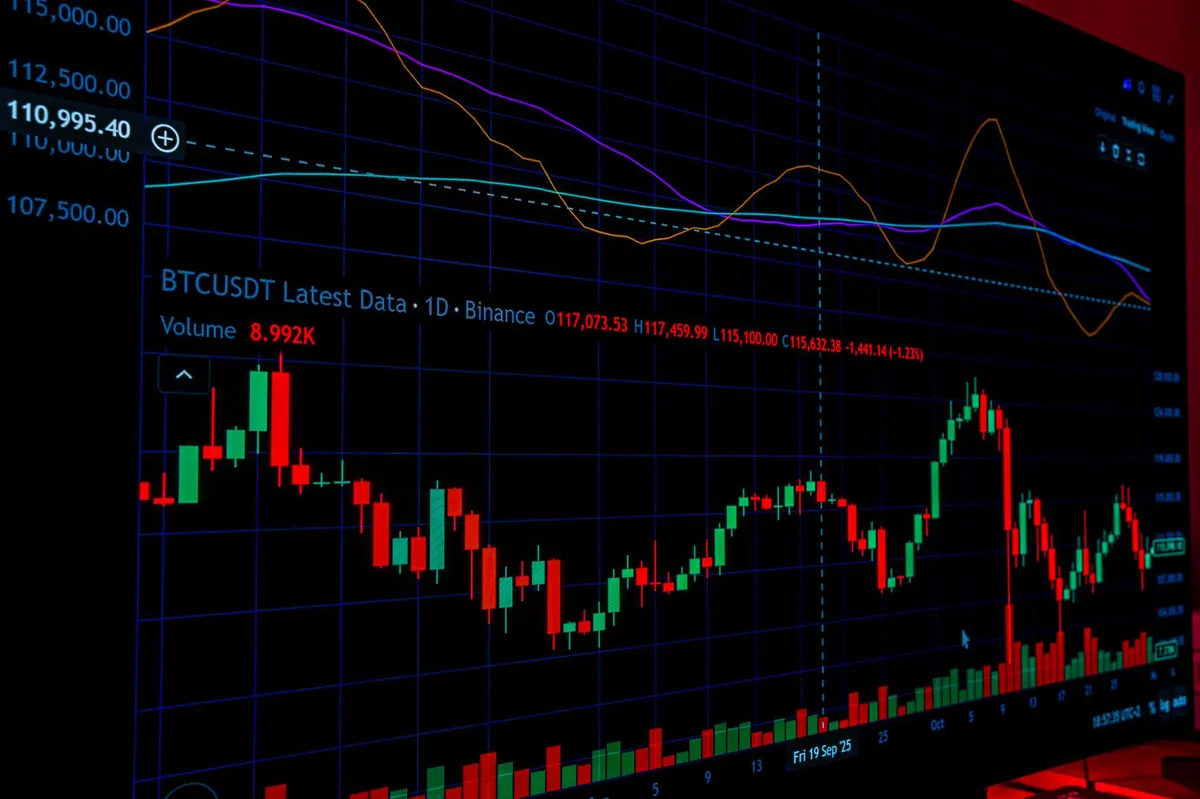
As of 9:40 a.m. ET on August 6, Bitcoin's price has slightly dipped to $64,216.91, while Ethereum has also experienced a minor decrease, settling at $1,901.84. Despite these slight declines, both cryptocurrencies are still showcasing gains compared to their prices one week ago, one month ago, and even year-over-year:
Bitcoin Price Changes
- One week ago: +1.1%
- One month ago: +1.7%
- One year ago: -43.4%
Ethereum Price Changes
- One week ago: -0.1%
- One month ago: +7%
- One year ago: -47.2%
Bitcoin's all-time high remains at $126,198.07, recorded on October 6, 2025, while Ethereum reached its peak of $4,953.73 on August 24, 2025. These historical prices reflect the volatility and potential returns associated with investing in cryptocurrencies.

Factors Influencing Cryptocurrency Prices
The current price movements of Bitcoin and Ethereum are being influenced by several significant factors:
Geopolitical Tensions
Ongoing negotiations in Iran to open the Strait of Hormuz—a crucial channel for global oil shipments—are fostering optimism among investors. A stable geopolitical environment can enhance risk appetites, leading to increased investments in cryptocurrencies.
Economic Indicators
The recent ADP jobs report, which fell short of expectations for July, has led to speculation about the Federal Reserve's next moves regarding interest rates. A lower-than-expected job growth can reduce the likelihood of an imminent rate hike, encouraging investors to lean into riskier assets like cryptocurrencies.
Market Sentiment
Positive market sentiment often drives prices upward. As investors react to current events, the desire to invest in cryptocurrencies can create upward pressure on prices, even amidst broader economic uncertainties.

Understanding Cryptocurrency Rewards: The Crypto Credit Card
For investors interested in leveraging their cryptocurrency investments, crypto credit cards are becoming increasingly popular. These cards function like traditional credit cards, but instead of earning cash back or points, users earn cryptocurrency rewards. Here's how they work:
How It Works
When you use a crypto credit card, you earn a percentage back on your purchases converted into cryptocurrency. For example, if you spend $500 on a card that offers 3% back, you would earn $15 in rewards. Depending on the current market value of Bitcoin or another cryptocurrency, that $15 could be converted into a specific amount of Bitcoin, such as 0.00014 BTC.
Potential for Growth
One of the significant advantages of earning rewards in cryptocurrency is the potential for appreciation over time. For instance, if you accrued $100 in Bitcoin rewards at the end of 2024, that amount could appreciate to $114 by October 2025, even without additional purchases. This potential growth can make crypto credit cards an attractive option for those already invested in the cryptocurrency market.
Historical Performance and Future Outlook
Understanding the historical performance of Bitcoin and Ethereum is crucial for any investor. While both cryptocurrencies have experienced significant price fluctuations, their long-term potential remains a topic of debate.
Long-Term Investment Potential
Historically, Bitcoin has been characterized by extreme volatility. For investors who entered the market during its all-time highs, the subsequent declines can be alarming. However, many proponents argue that Bitcoin's growth trajectory over the past decade suggests a promising long-term outlook. Similarly, Ethereum's unique functionality—especially in areas like decentralized finance (DeFi) and smart contracts—adds another layer of investment potential.
Market Predictions
Looking ahead, analysts are divided on their predictions for the future of Bitcoin and Ethereum. Some believe that the current geopolitical and economic factors could lead to further growth, while others caution that market corrections are inevitable. Understanding these varied perspectives is essential for making informed investment decisions.
Key Takeaways
- As of August 6, 2026, Bitcoin is priced at approximately $64,216.91, while Ethereum is around $1,901.84.
- Both cryptocurrencies show positive trends month-over-month, despite significant year-over-year declines.
- Geopolitical negotiations and economic indicators are key factors influencing current prices.
- Crypto credit cards offer a novel way to earn cryptocurrency rewards on everyday purchases.
- Long-term performance of both Bitcoin and Ethereum remains a subject of interest for investors.
Frequently Asked Questions
What are the main risks of investing in cryptocurrencies?
Investing in cryptocurrencies carries several risks, including market volatility, regulatory changes, and security issues. The cryptocurrency market is known for its rapid price fluctuations, which can lead to substantial financial losses. Additionally, the regulatory landscape for cryptocurrencies is evolving, with potential for new regulations that could impact the market. Security risks, such as hacking and fraud, also pose significant threats to investors. Therefore, it's crucial to conduct thorough research and consider your risk tolerance before investing.
How can I safely buy and store cryptocurrencies?
To safely buy and store cryptocurrencies, consider using reputable exchanges and wallets. Look for exchanges that prioritize security features, such as two-factor authentication and cold storage for assets. Once you've purchased cryptocurrencies, storing them in a hardware wallet can add an extra layer of security compared to keeping them on an exchange. Always ensure your private keys are secure, and never share them with anyone to prevent unauthorized access to your assets.
What should I consider before using a crypto credit card?
Before using a crypto credit card, evaluate the rewards structure and fees associated with the card. Some cards may charge high annual fees or foreign transaction fees that could offset the benefits of earning cryptocurrency rewards. Additionally, consider whether the rewards offered align with your spending habits. If you frequently spend in categories that earn higher rewards, a crypto credit card could be beneficial. However, if you are unable to pay off your balance in full each month, the interest rates may outweigh the rewards you earn.
Are cryptocurrencies a good long-term investment?
The suitability of cryptocurrencies as a long-term investment depends on individual financial goals and risk tolerance. While some investors have achieved significant gains over time, others have experienced substantial losses due to market volatility. It's important to assess your investment strategy and determine whether you can withstand potential losses. Diversifying your portfolio and only investing what you can afford to lose can mitigate risks associated with cryptocurrency investments.
This content is educational and not financial advice.
Comments
Challenges Ahead for Azenta: Navigating Life Science Funding Weakness
Azenta, Inc. faces a challenging outlook amid declining life science funding and operational setbacks. This article explores the broader market context and what this means for investors and stakeholders.

Related articles






Popular in Investing
- Navigating the Dismal Landscape of 2026's Worst-Performing ETFs
- Stablecoin Market Faces $10 Billion Decline — What It Means for Investors
- Avantus Secures $525 Million for Major California Solar Project
- Navigating the Pet Stocks Market: Opportunities Amidst Challenges
- Market Turmoil: How Geopolitical Tensions and Earnings Reports Impact Stocks